Cannabis for anxiety: what science and experience reveal

May 6, 2026

Cannabis for anxiety: what science and experience reveal

Plenty of Portlanders in their 20s and 30s are quietly swapping the pharmacy for the dispensary, hoping cannabis can take the edge off anxiety. And it makes sense—stress is real, side effects from conventional meds are frustrating, and cannabis feels accessible. But the science on medicinal cannabis is more complicated than the headlines suggest, with 70% of top-quality studies showing promise alongside serious cautions that deserve your attention. This guide cuts through the noise and gives you a grounded, practical look at what's actually going on.


Key Takeaways

Point Details
Evidence is mixed While some studies support cannabis for anxiety, major reviews urge caution due to limited high-quality evidence.
CBD and THC differ CBD often reduces anxiety, whereas THC can both help or worsen anxiety depending on dose and individual factors.
Know the risks Frequent or high-THC use may increase anxiety and is especially risky for some people, so moderation and care are crucial.
Personalization matters The best approach is to start low, go slow, and pay attention to your own responses and health needs.

What the science says about cannabis and anxiety

With the context established, let's clarify what the research actually says about using cannabis for anxiety. The short answer: it's genuinely promising in some areas, genuinely risky in others, and the full picture is nowhere near settled.

Researchers have studied cannabis across three main anxiety conditions— generalized anxiety disorder (GAD) , social anxiety disorder (SAD) , and PTSD . The better-designed studies show real benefits, and many people report meaningful relief. But when scientists pool the data from randomized controlled trials, things get murkier. A major meta-analysis in Lancet Psychiatry00015-5/fulltext) found no statistically significant effect of cannabinoids on anxiety symptoms overall.

Finding type What the research shows
Positive (individual studies) Reductions in GAD, SAD, and PTSD symptoms; improved sleep; lower self-reported stress
Neutral/inconclusive (meta-analyses) Pooled RCT data shows nonsignificant effects on anxiety
Cautionary High-THC products may worsen anxiety; limited long-term data; risks of dependence

This doesn't mean cannabis "doesn't work." It means the evidence is uneven and highly individual. What works beautifully for one person can trigger a spiral in someone else.

"Medicinal cannabis shows potential for reducing anxiety symptoms, but the highest-quality trials reveal a more complex picture. Individual variability, product differences, and dosing all play significant roles." — ScienceDirect, 2025

One consistent finding is that high-THC products carry more psychiatric risk than low-THC or CBD-dominant options. Long-term, high-quality data is still thin, which means nobody can tell you with certainty that regular cannabis use is a safe, sustainable anxiety treatment. That gap in knowledge matters a lot when you're making decisions about your mental health. You can explore more on cannabis wellness benefits and dig deeper into cannabis health and science to keep building your knowledge base.


How CBD and THC affect anxiety differently

Evidence is complex partly because not all cannabis products are alike—CBD and THC can have almost opposite effects on anxiety. This is one of the most important things to understand before you try anything.

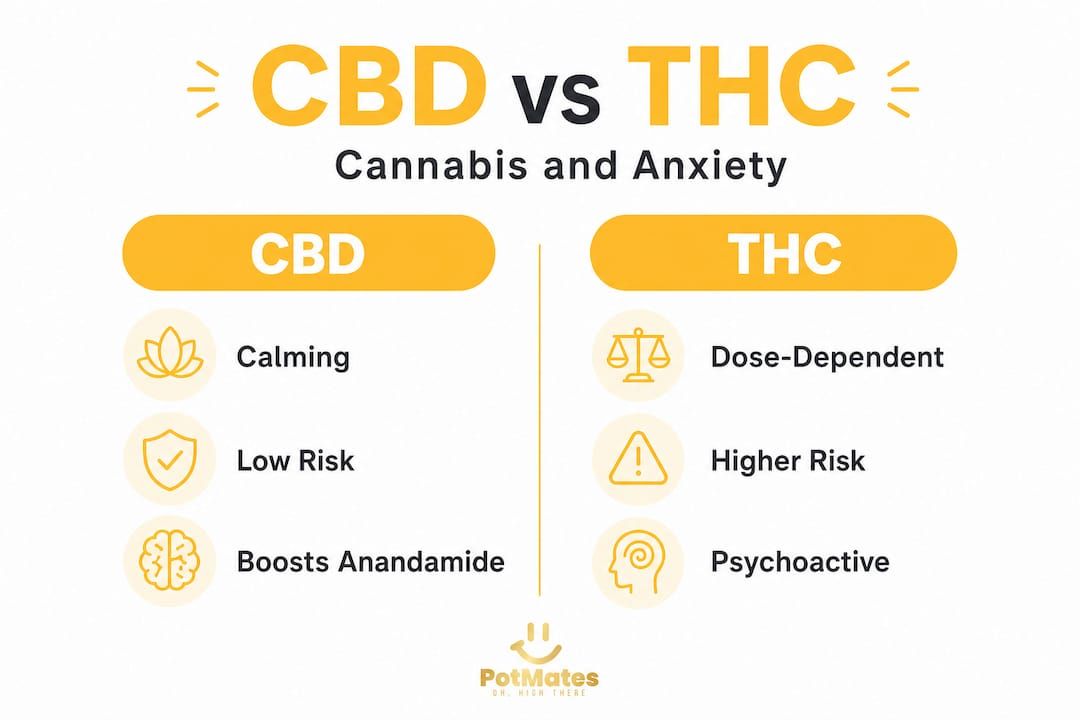
CBD (cannabidiol) works in a couple of key ways. It inhibits FAAH, an enzyme that breaks down anandamide (your body's natural "bliss" molecule), and it acts directly on serotonin 5-HT1A receptors—the same receptors targeted by anti-anxiety medications like buspirone. In plain terms, CBD nudges your nervous system toward calm without intoxication.

THC (tetrahydrocannabinol) is a different story. At low doses, it can feel relaxing and mood-lifting. But THC has what's called a biphasic effect , meaning the dose changes the direction of the effect. Push past your personal threshold and THC flips from calming to anxiety-amplifying, sometimes dramatically.

CBD THC
Primary effect on anxiety Reduces anxiety Low dose: may reduce; High dose: may worsen
Mechanism Serotonin receptor agonism, anandamide boost CB1 receptor activation
Psychoactive? No Yes
Paranoia risk? Very low Moderate to high at high doses
Best use case Daily anxiety management, social anxiety Situational relaxation, low doses only

Here's a practical breakdown of when each might make sense:

  1. CBD dominant products work well for everyday anxiety, social situations, or if you're new to cannabis.
  2. Low-dose THC (under 5mg) can add a mild mood lift for some people in low-stress, familiar settings.
  3. High-THC products are generally a poor choice if managing anxiety is your primary goal.
  4. Balanced CBD:THC ratios (like 1:1) may offer a middle ground with reduced paranoia risk for some users.

Pro Tip: If you're exploring CBD versus whole cannabis , always start with CBD-dominant products first. You can always experiment with a small amount of THC later once you know how your body responds.


Risks, side effects, and important cautions

Understanding the differences in cannabinoids is crucial—but so is knowing the potential risks and who should be cautious. This isn't meant to scare you off, but knowing the downsides helps you make smarter, safer decisions.

Frequent cannabis use is linked to higher anxiety likelihood, not lower—particularly with regular, habitual use. This is the paradox that catches a lot of people off guard. You start using cannabis to feel less anxious, but daily or near-daily use can actually ratchet anxiety up over time.

Common side effects to watch for include:

  • Paranoia and increased heart rate (especially with high-THC products)
  • Sleep disruption , particularly with heavy regular use
  • Cognitive impairment during or after use, affecting focus and memory
  • Dependence or withdrawal anxiety if use is heavy and then stopped suddenly
  • Mood instability with frequent use patterns

A critical caution: if you have a personal or family history of psychosis or schizophrenia, avoid high-THC cannabis entirely . This is not a grey area—the risk is well-documented and serious.

The drug interaction angle is one that often gets overlooked. CBD inhibits liver enzymes called CYP2C19 and CYP3A4 , which are responsible for metabolizing many common medications. If you're taking SSRIs (like sertraline or escitalopram), this interaction can raise medication levels in your blood, potentially causing unintended side effects. Always have that conversation with your doctor before combining cannabis with any prescription medication.

Pro Tip: Think of cannabis as one tool in the toolkit, not a replacement for professional mental health support. It pairs best with other evidence-based practices like therapy, regular exercise, and sleep hygiene.


Making smarter choices: Using cannabis for anxiety in Portland

For Portlanders still curious, here's how to use cannabis more safely and thoughtfully as part of your anxiety management toolkit. The goal is harm reduction and personalization, not a one-size-fits-all prescription.

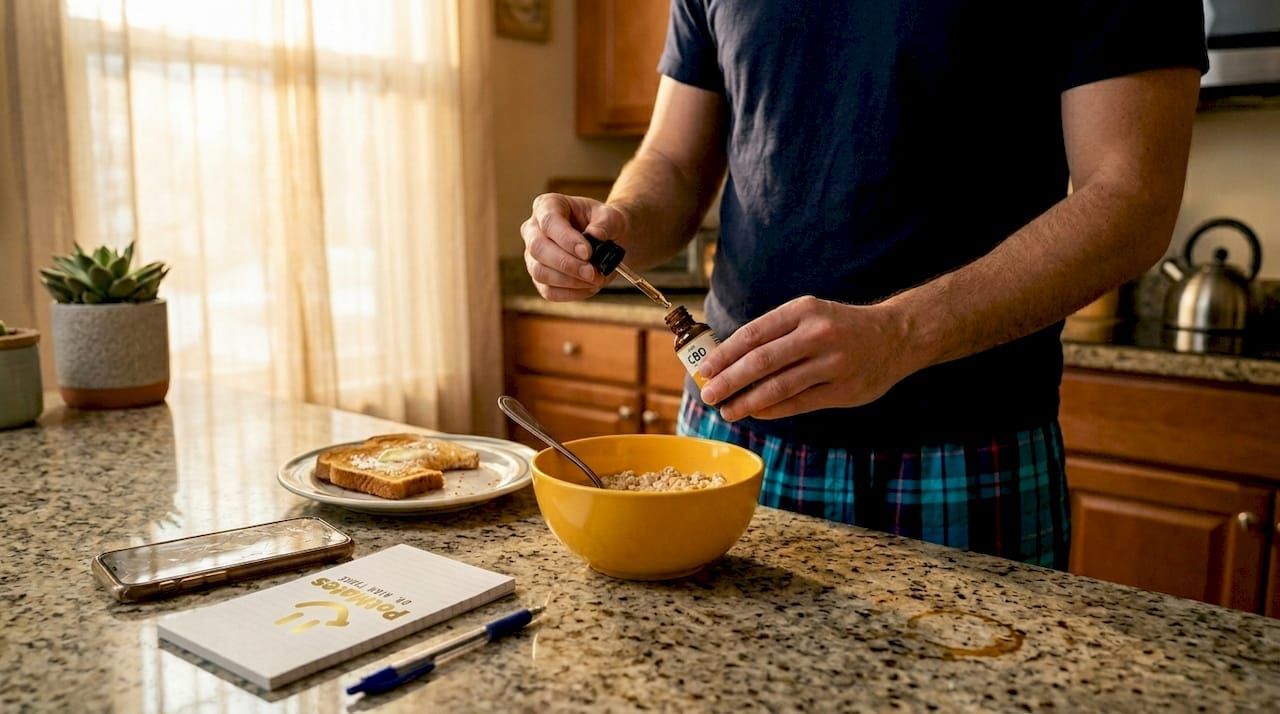
  1. Start low, go slow. Begin with CBD-dominant products and the smallest dose possible (think 5-10mg CBD to start). Give it time before increasing.
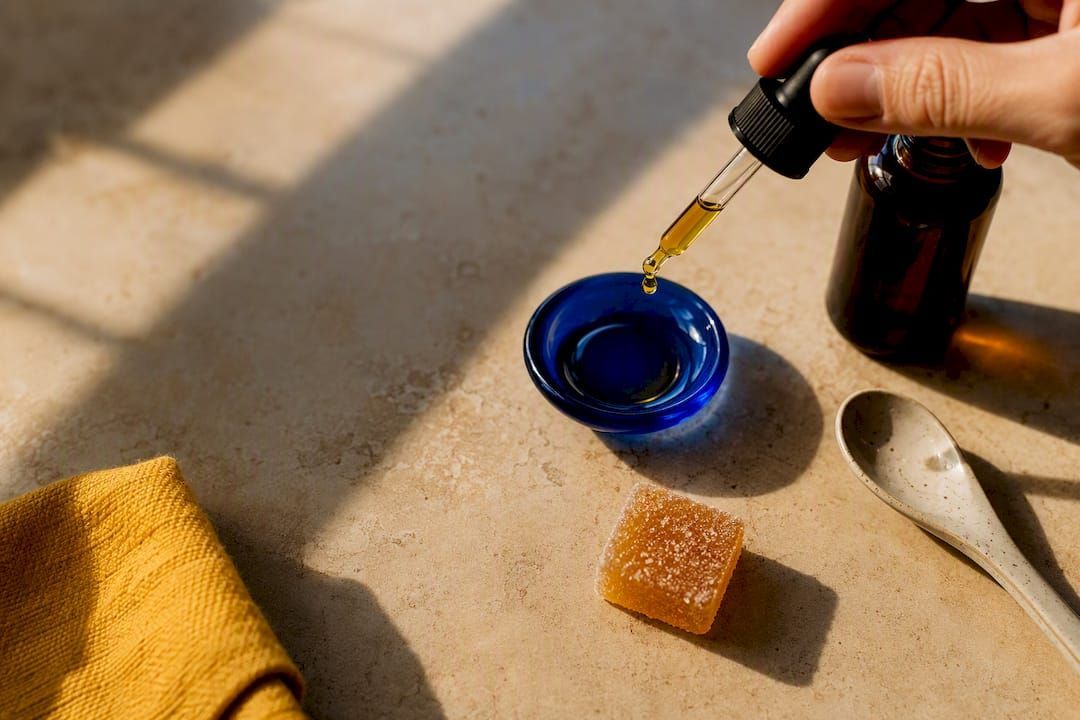
  2. Choose the right format. Tinctures and oils offer precise dosing. Edibles are longer-lasting but harder to control. Topicals are great for localized tension without any psychoactive effects.
  3. Control your setting. Your environment matters enormously. A comfortable, familiar space reduces the likelihood of a bad response, especially early on.
  4. Track your experience. Keep a simple journal—what you took, how much, and how you felt. Patterns reveal themselves over time, and you'll build a real picture of what actually works for you.
  5. Avoid high-THC products until you have a solid baseline understanding of your response.
  6. Talk to your doctor. Especially if you're already on medication or managing a diagnosed anxiety disorder.

When it comes to product selection, choosing the right strain for your mood is a genuinely useful starting point. And if smoking isn't your thing, there are excellent non-smoking cannabis products that deliver a clean, measurable experience. For those interested in precision dosing, microdosing for anxiety is a growing practice worth exploring.


The uncomfortable truth most experts won't tell you about cannabis and anxiety

Here's what the research papers and the dispensary menus both gloss over: individual variability is so significant that almost no general rule applies to everyone.

We see it constantly. Two people with similar anxiety profiles try the same product at the same dose—one feels calm and clear, the other feels worse. That's not a failure of willpower or a random fluke. It reflects genuine biological and psychological differences in how people respond to cannabinoids.

The uncomfortable reality is that cannabis for anxiety requires real experimentation, patience, and self-awareness. It's not a case of "take X mg of CBD and feel better." Some people find that even modest amounts of THC help enormously. Others do best with pure CBD. Some find that cannabis doesn't touch their anxiety at all, no matter what they try. And some people discover, painfully, that cannabis was making things worse without them realizing it.

What works is slow, intentional trial paired with honest self-reflection. Not chasing the most popular strain or the highest milligrams. Not assuming that because cannabis worked for your friend it will work the same way for you.

The best outcomes we see come from combining the evidence with self-knowledge. Use the research as a guide, explore cannabis science resources, stay curious, and treat cannabis as one option among many. Not a magic solution. Not hopeless. Just one legitimate piece of a larger wellness picture.


Explore your next steps with safe, supportive cannabis delivery

If you've made it this far, you're already approaching cannabis for anxiety the right way—with curiosity and care. At PotMates, we're here to make your next step simple, private, and well-informed.

We offer curated access to non-smoking cannabis options, including oils, edibles, and cannabis topicals that give you control without the guesswork. Our AI Budtender can help you narrow down the right product based on your needs, and all orders arrive discreetly to your Portland door. Browse, choose, and learn at your own pace. Want to keep learning first? Our cannabis science hub is packed with honest, research-backed guidance.


Frequently asked questions

Is cannabis actually effective for anxiety?

The answer depends on the study you look at. Some studies report real improvements, but a Lancet-backed review found little high-quality evidence supporting psychiatric benefits, meaning results are still mixed and highly individual.

What is the difference between CBD and THC for anxiety?

CBD works like a mild natural anxiolytic by boosting calming neurotransmitters, while THC's effect depends heavily on dose—low doses can relax, high doses can worsen anxiety or trigger paranoia.

Can cannabis interact with anxiety medications?

Yes, especially if you're on SSRIs. CBD inhibits specific liver enzymes (CYP2C19 and CYP3A4), which can raise antidepressant levels in your bloodstream—always check with your prescriber first.

Are there risks to using cannabis frequently for anxiety?

Absolutely. Frequent cannabis use is linked to higher anxiety rates over time, and heavy, regular use may replace rather than support proper treatment.

How can I choose the safest cannabis products for anxiety?

Start with low-dose, CBD-dominant products, avoid anything high in THC until you understand your response, and consult a healthcare provider—especially if you're already managing a diagnosed condition or taking medications.

Recommended

May 5, 2026
Discover what is cannabis menu and learn how to choose the best products for your needs. Elevate your cannabis shopping experience today!
May 4, 2026
Explore Portland with our comprehensive cannabis product guide. Discover top dispensaries, expert tips, and the best products for your needs!
May 3, 2026
Discover the types of cannabis strains and their effects. Our guide helps you choose the best strain for your needs in Portland's dispensaries.
May 2, 2026
Master your cannabis flower selection workflow in Portland! Avoid disappointment and choose with confidence using our data-driven tips.
May 1, 2026
Master your experience with our cannabis dosage guide! Discover how to find the perfect dose for your body and preferences today.
April 30, 2026
Discover what cannabis privacy means in Portland and learn how to protect your data rights. Navigate the complexities of safe shopping!
April 29, 2026
Discover what cannabis quality truly means in Portland. Learn to identify high-quality strains beyond just THC numbers for smarter shopping!
April 26, 2026
Discover the cannabis wellness benefits in this practical guide for Portland adults. Uncover science-backed insights and craft your personalized routine.
April 24, 2026
Discover what cannabis sativa is and how its complexities affect your cannabis choices. Enhance your shopping experience today!
By Hammond Potter April 20, 2026
Live rosin, live resin, or distillate—what actually matters? Learn the real differences and how to choose the best cannabis extracts in Portland.
Show More