
Infused Pre Rolls vs Regular: Check the COA Before You Buy

Infused Pre Rolls vs Regular: Check the COA Before You Buy

Infused pre-rolls are typically stronger and faster-acting than regular pre-rolls because they add concentrated cannabinoids on top of ground flower. We recommend infused pre-rolls when you want higher, quicker effects, and regular pre-rolls when you want a predictable, strain-accurate smoke you can pace through an evening. If you're trying an infused product for the first time, start with small puffs and give yourself time between hits before deciding on more.


TL;DR:

  • Check the concentrate type, total THC per product, and certificate of analysis; named extracts and lab results reveal more than a generic infusion label.
  • A core running through the center tends to burn evenly, while heavy outer coatings can restrict airflow, cause canoeing, and make each puff less consistent.
  • Beginners and groups with mixed tolerances are better served by regular pre rolls; infused products suit experienced consumers or patients seeking a potent solo session.
  • Take shallow puffs and wait a few minutes before another puff, because frequent high THC use is linked to tolerance, dependence, and anxiety.
  • Compare total THC per unit and value per session rather than price per gram alone, because extraction, added labor, packaging, and testing raise costs.
Potmatespdx
potmatespdx.com
Compare Infused Pre-Rolls
Browse PotMates' infused pre-roll selection and compare product details as you consider concentrate type, potency, and lab results.
Browse infused pre-rolls

What sets an infused pre-roll apart from a regular one?

A regular pre-roll is exactly what it sounds like: ground cannabis flower, rolled in paper, with no additions. The potency comes entirely from the flower itself, so what you taste and feel reflects that one strain.

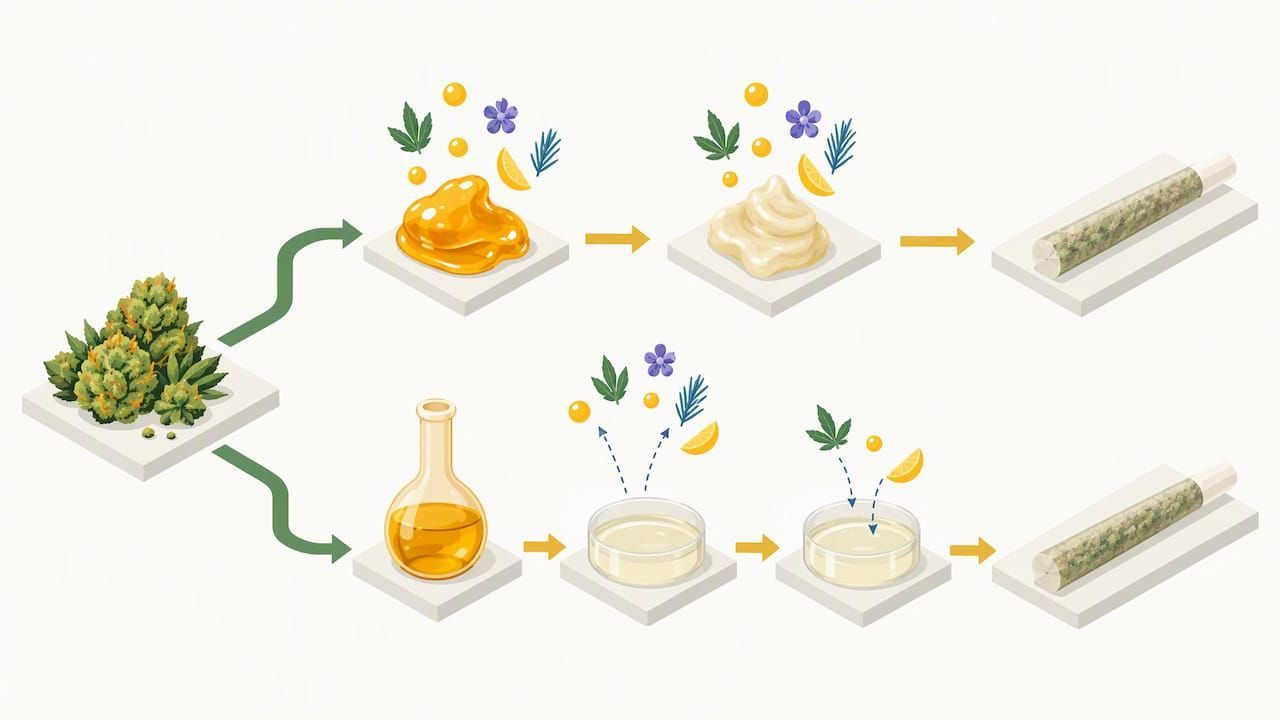
An infused pre-roll starts the same way, then adds a layer of concentrate, kief, or both before or during rolling. That addition is what pushes potency and flavor intensity well past what flower alone delivers. We carry several concentrate styles across our infused pre-rolls menu, and the type used changes what you should expect:

  • Live resin or live rosin keeps more of the original plant's terpenes intact, which usually means a brighter, truer flavor.
  • Kief adds trichome-rich dust for extra potency without introducing a separate extraction process.
  • Distillate is flavorless on its own, so it's often paired with terpene additives or used to boost strength without changing taste much.

Before buying, check three label details: the concentrate type used, the total THC listed for the whole pre-roll, and whether a certificate of analysis (COA) is available. A product that names its concentrate and links to lab results is telling you more than one that just says "infused."

How infusion actually works, and why construction matters

Not all infused pre-rolls are built the same way, and the method behind the product affects how it burns and how potent each puff feels.

  1. Infused core : concentrate sits in a line through the center of the cone, like a wick, so it burns gradually alongside the flower.
  2. Dipped or coated : the rolled pre-roll is dipped in concentrate, usually distillate or rosin, then rolled in kief.
  3. Sprayed or surface-applied : a thinner layer of concentrate, often distillate, is applied to the outside.
  4. Kief-rolled : flower is rolled, then coated in a dusting of kief for added strength.
  5. Inserted extract : a strip of live resin or rosin is tucked inside the roll before the final twist.

Placement matters more than people expect. A center-loaded core tends to distribute heat evenly, which supports a steadier burn. A heavy outer coating can block airflow or burn unevenly, a problem commonly called canoeing, where one side burns faster and the other smolders. That uneven burn doesn't just waste product, it also means your puffs aren't delivering a consistent dose.

Look for pre-rolls that specify their construction method and list a named concentrate rather than a vague "infused" label. A COA that shows cannabinoid and terpene breakdowns is the clearest sign a product was built with consistency in mind.

Pro Tip: If a pre-roll feels unevenly packed or burns faster on one side, let it go out and relight from the center to even out the burn before your next puff.

Why infused pre-rolls hit harder and faster

A regular pre-roll's potency is capped by the flower's own THC content. An infused pre-roll adds a separate concentrated cannabinoid load on top of that flower, which is why the total THC percentage on the label can run much higher.

That difference comes down to concentration. NIDA testimony before policymakers notes that concentrated cannabis products can have a much higher THC percentage than flower, which typically has lower THC content. Adding even a small amount of concentrate to a pre-roll can meaningfully raise the THC delivered per puff.

Onset and duration shift too. Because infused pre-rolls often burn slower due to the added oils, effects can build gradually, then land with more intensity than a regular pre-roll delivering the same puff count. A few practical differences to keep in mind:

  • Per-puff dose is higher in infused pre-rolls, even when the puff looks the same size.
  • Onset can feel delayed at first, then more intense, since concentrate burns differently than dry flower.
  • Duration tends to run longer with infused products, so pacing matters more.

Frequent use of high-THC products is linked to a higher risk of tolerance, dependence, and side effects like anxiety, according to research from authoritative sources, according to NIDA's research on marijuana's health effects. That's the practical reason to start low with any infused product, even if you're an experienced flower smoker.

Flavor, aroma, and what the smoke actually feels like

Flavor is where concentrate choice shows up most clearly. Live resin and live rosin are extracted in ways that preserve more of the plant's original terpenes, so an infused pre-roll made with either tends to carry brighter, more layered flavor notes, think citrus, pine, or gas, that echo the source strain.

Distillate behaves differently. It's stripped of flavor during extraction, so pre-rolls relying on it often taste flatter unless terpenes are reintroduced separately. Some lower-quality infused products lean on flavorless distillate specifically to mask flower that wasn't great to begin with.

Smoke density and harshness also shift with concentrate type. Heavier oil content can mean thicker smoke and a harsher pull on the throat, especially with dipped or coated pre-rolls where concentrate sits closer to the surface.

A few things to check before buying for flavor:

  • Named concentrate type on the label (live resin, rosin) rather than generic "oil" or "extract."
  • Terpene percentages listed on a COA, which signal how much of the original aroma survived processing.
  • Visible, even coating rather than clumped or patchy concentrate, which often points to inconsistent flavor and burn.

If you're curious how strain selection shapes flavor before concentrate even enters the picture, our guide on choosing a cannabis strain covers the terpene basics in more depth.

What you're actually paying for with the price premium

Infused pre-rolls almost always cost more than regular ones, and that gap reflects real production differences rather than markup for its own sake. Concentrate extraction, the extra labor of infusing or coating each pre-roll, specialized packaging to protect the oil, and additional lab testing all add cost before a product reaches a menu.

A useful way to judge whether that premium is worth it is to think in terms of value per session rather than price per gram. A regular pre-roll might cost less upfront but burn through faster relative to the high it delivers, while a well-made infused pre-roll can stretch further per session if potency and pacing match your tolerance.

Before buying, run through this quick checklist:

  • Concentrate type : named extracts (live resin, rosin) typically signal higher quality than vague "infused" labeling.
  • COA availability : confirms both potency and the absence of unwanted additives.
  • Per-unit THC : compare the total milligram or percentage figure, not just the price tag.
  • Session goal : a quick, potent solo session calls for different value math than a shared, paced one.

Browsing our concentrates category can help you see how these extraction types are priced and described on their own, which makes comparing infused pre-roll pricing easier.

Who should reach for infused, and who should stick with regular

Matching the product to the person matters more than any single potency number.

  1. Seasoned consumers with higher tolerance often prefer infused pre-rolls for a stronger, faster effect without needing to smoke more flower.
  2. Medical patients seeking quick symptom relief may benefit from the faster onset infused products can offer, though starting low still applies.
  3. Beginners and casual social smokers are usually better served by regular pre-rolls, where the effects are easier to predict and share.

For solo sessions aimed at a strong, specific outcome, infused makes sense. For sharing among a group with mixed tolerance, a regular pre-roll keeps everyone on steadier footing. Either way, smaller puffs and longer pauses between hits make pacing easier to control, especially in shared settings where not everyone wants the same intensity.

Simple ways to use either type more safely

Switching between regular and infused pre-rolls calls for a short mental reset each time, since the dose per puff isn't the same.

  • Start with shallow puffs and wait a few minutes before taking another, especially with anything infused.
  • Expect more smoke exposure with heavier sessions : CDC research on cannabis and lung health notes that smoked cannabis, in any form, can irritate lung tissue and raise bronchitis risk because the smoke carries many of the same toxins found in tobacco smoke.
  • Store pre-rolls securely , away from children or pets, in a sealed, labeled container.
  • Check the COA before buying , not after, to confirm concentrate type and rule out unlisted additives.

Peer-reviewed research on smoked cannabis indicates that combustion products from concentrates and flower both carry respiratory risks worth factoring into how often and how much you smoke, as summarized in this review of smoked cannabis health effects.

Why this comparison holds up

This guide draws on public-health research from NIDA and the CDC alongside practical, shopper-facing details: concentrate types, construction methods, and label elements you can actually check before buying. We built it around what matters at the point of purchase, not abstract theory.

On the shopping side, our infused pre-rolls menu lists concentrate type and COA access for every listing, and our AI Budtender tool can help match a product to your tolerance and goals before you check out. Pairing that transparency with delivery convenience means you're never guessing at what's actually in the pre-roll you ordered.

A straight answer on which one to pick

If you're experienced and want a potent, efficient session, a well-made infused pre-roll, built with a named concentrate like live resin and backed by a COA, is the stronger choice. If you're newer, smoking socially, or want a session you can predict from the first puff to the last, a regular pre-roll still does that job better than anything infused.

Either way, check the lab results before you buy, and start lower than you think you need to.

— Hammond

Ready to shop? Here's how we make it easy

We carry both regular pre-rolls and infused pre-rolls with full menu transparency, so you can compare concentrate type, THC totals, and COA access before you commit to either.

For a side-by-side look at how infused potency plays out in practice, this breakdown of infused pre-roll potency and sizing from a licensed dispensary offers useful context on what "infused" can mean across different products. Delivery is discreet and scheduled around your day, so getting a curated, lab-checked pre-roll to your door doesn't require a trip anywhere.

Browse our infused pre-rolls and check the COA on any listing before you order, or start with our regular pre-rolls if you're easing in.

FAQ

What makes a pre-roll infused?

An infused pre-roll is ground flower combined with an added concentrate, such as live resin, rosin, distillate, or kief, layered into the core, coating, or rolling paper. The added concentrate raises total THC well beyond what the flower alone would deliver.

Is a 10 mg edible stronger than a joint?

It depends entirely on the joint's THC content and the edible's dosing, since the two deliver cannabinoids through different routes with different onset times. Edibles tend to take longer to kick in but can last longer, while smoked products act faster; comparing strength requires looking at the specific product's lab-tested THC rather than assuming one format is automatically stronger.

What is a non-infused pre-roll?

A non-infused, or regular, pre-roll contains only ground cannabis flower with no added concentrate, kief, or oil. Its potency and flavor come entirely from the strain itself, which makes effects more predictable from one pre-roll to the next.

Is infused flower better than regular flower?

Infused products generally deliver higher potency and a more intense effect because they add concentrated cannabinoids on top of the flower's natural THC. Whether that's "better" depends on your tolerance and goals: experienced consumers seeking strong, fast effects often prefer infused, while those wanting a predictable, strain-true session usually do better with regular flower or pre-rolls.

Sources

Recommended

The PotMates blog

Keep reading

November 22, 2026
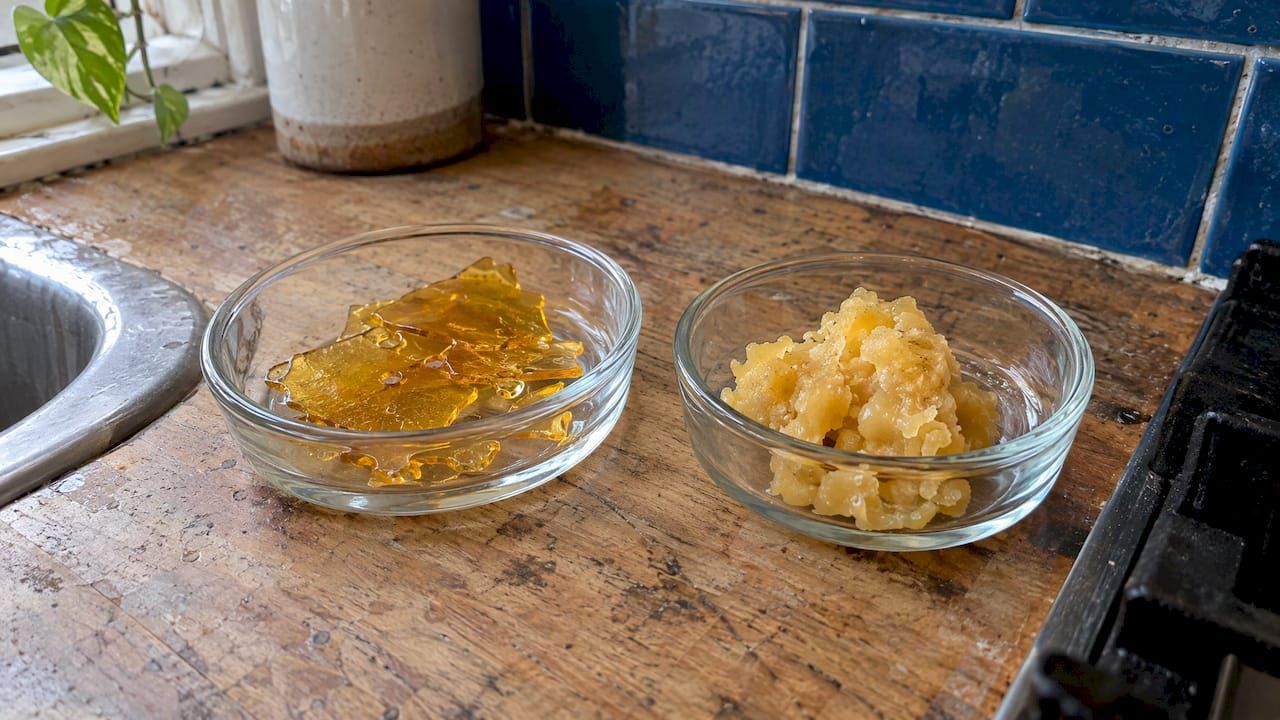
Shatter vs wax explained: how each is made, how they look, taste and hit, and how to choose between them, with Oregon testing rules and safe-use basics.
November 15, 2026
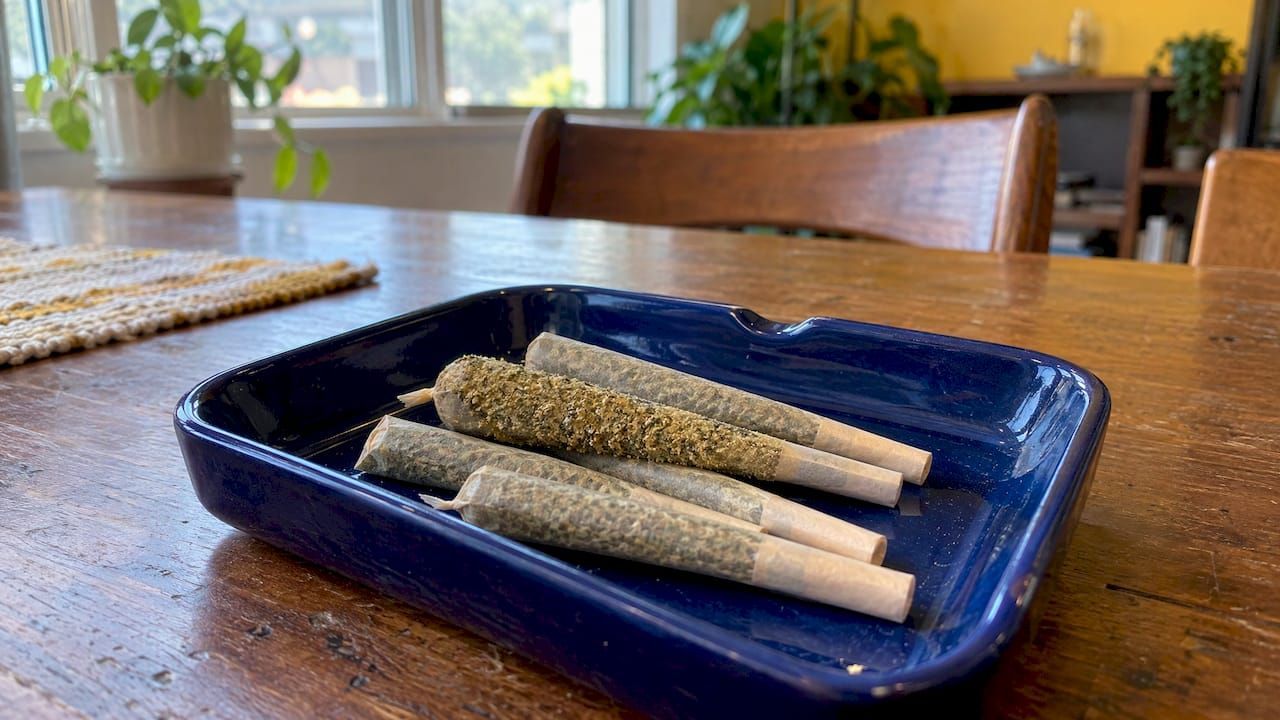
What infused pre rolls are, how they differ from regular joints, what the label tells you and how to enjoy them responsibly in Portland, Oregon.
November 8, 2026
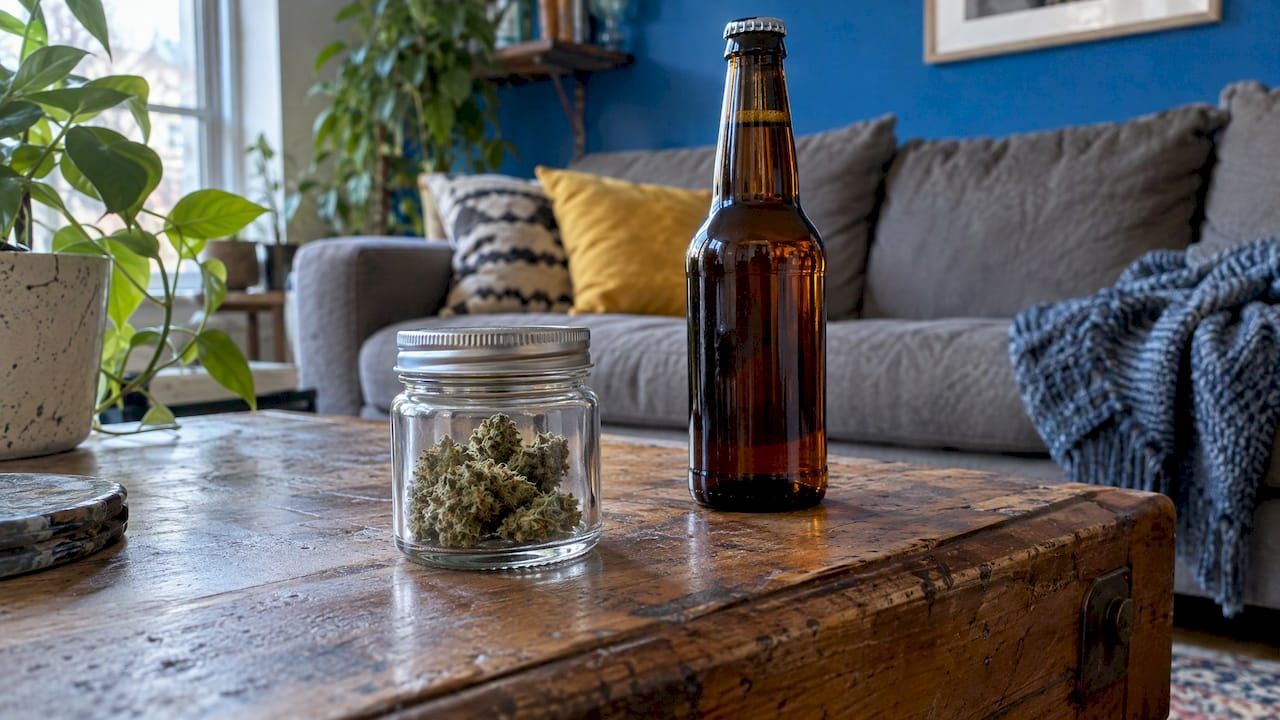
What happens when you mix cannabis and alcohol, whether to drink or smoke first, how edibles change the timing, and the warning signs to know in 2026.
November 1, 2026
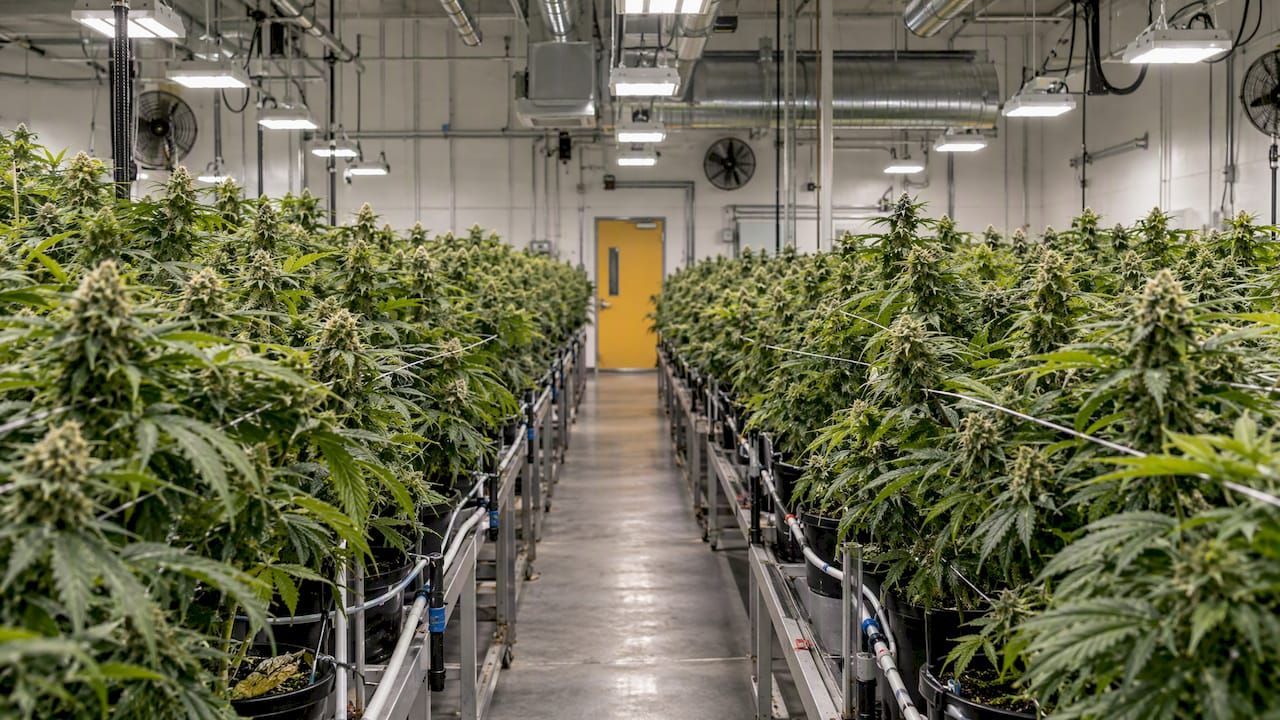
Craft vs. commercial cannabis comes down to scale, hand trimming, curing and consistency. Here is how to tell them apart and what to check on the label.
October 25, 2026
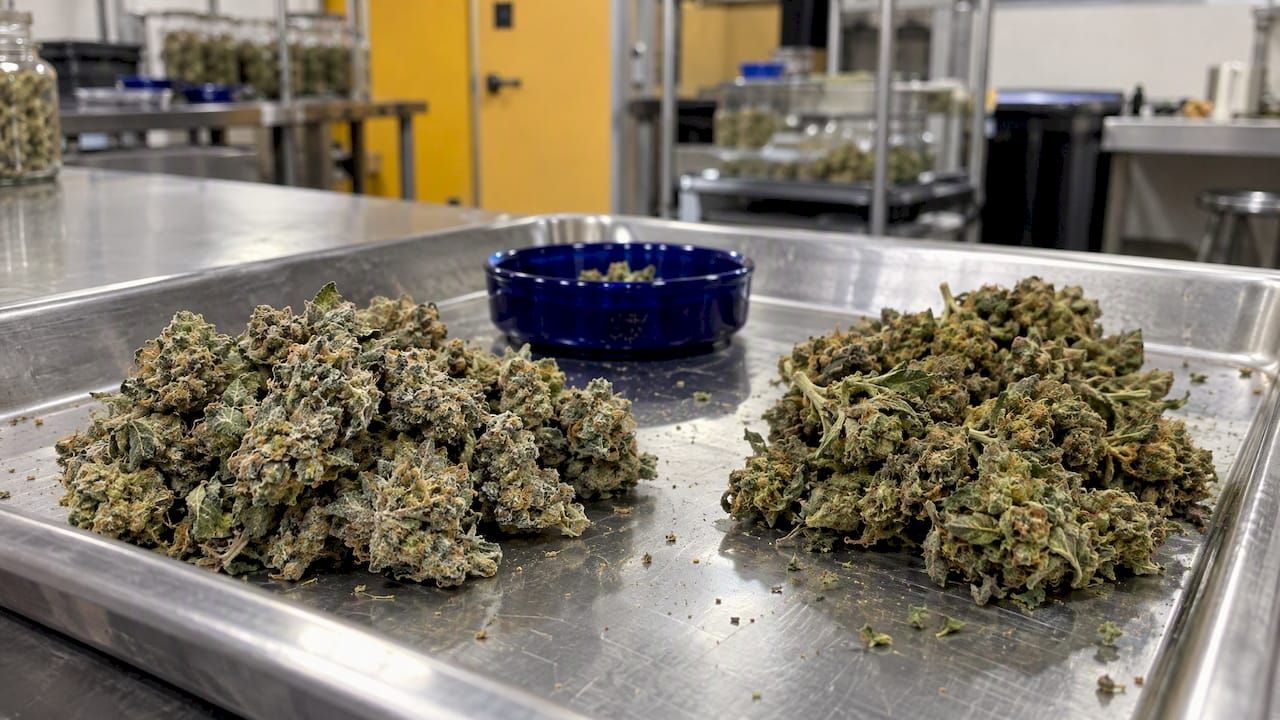
Top shelf vs mids, explained: what the labels mean, what actually separates the tiers, and how to judge any jar of flower by aroma, freshness and lab data.

October 16, 2026
Learn how to dose THC drinks cautiously: start with 1–2.5 mg if you're especially cautious, read the label, wait 1–2 hours, and avoid redosing too soon.

October 2, 2026
Start THC drinks safely: begin at 2–5 mg, sip slowly, wait 30–60 minutes, and always check labels and COAs to avoid overconsumption.

September 25, 2026
Decide between indoor and sun grown cannabis using COAs and terpene panels. Match flower to your priorities: potency, aroma, or sustainability.
September 18, 2026
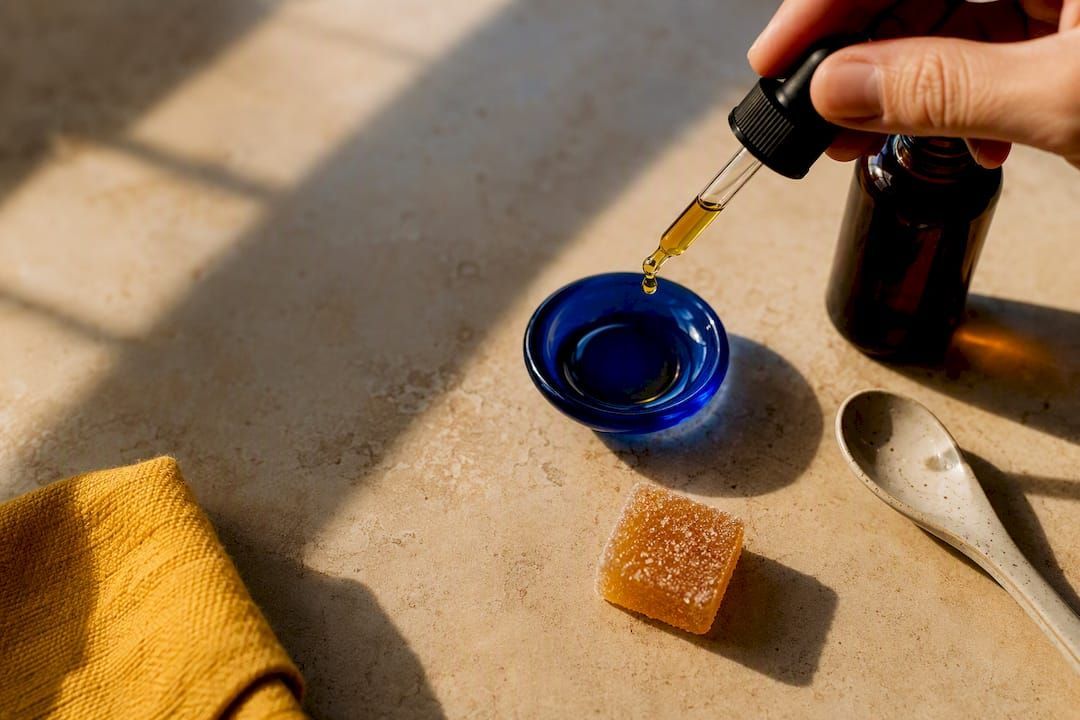
Choose the right format with exact onset windows, 2.5–5 mg starter doses, microdosing tips, and a simple, safe dosing plan you can apply tonight.

September 17, 2026
Which cannabis delivery payments comply with card network rules? Learn why ACH, cashless ATM, prepay matter, and how prepay speeds dispatch.

Show More
A PotMates bag with yellow smiley tissue paper in it, handed from one person to another

We love handing out smiles.

Order now and it is typically at your door in 90 minutes or less. Or pick a time that suits you. We deliver every day, 11am to 8pm.

Portland, OR