Buyers, Skip the THC Race: Choose Indoor or Sun Grown Cannabis by COA
Buyers, Skip the THC Race: Choose Indoor or Sun Grown Cannabis by COA
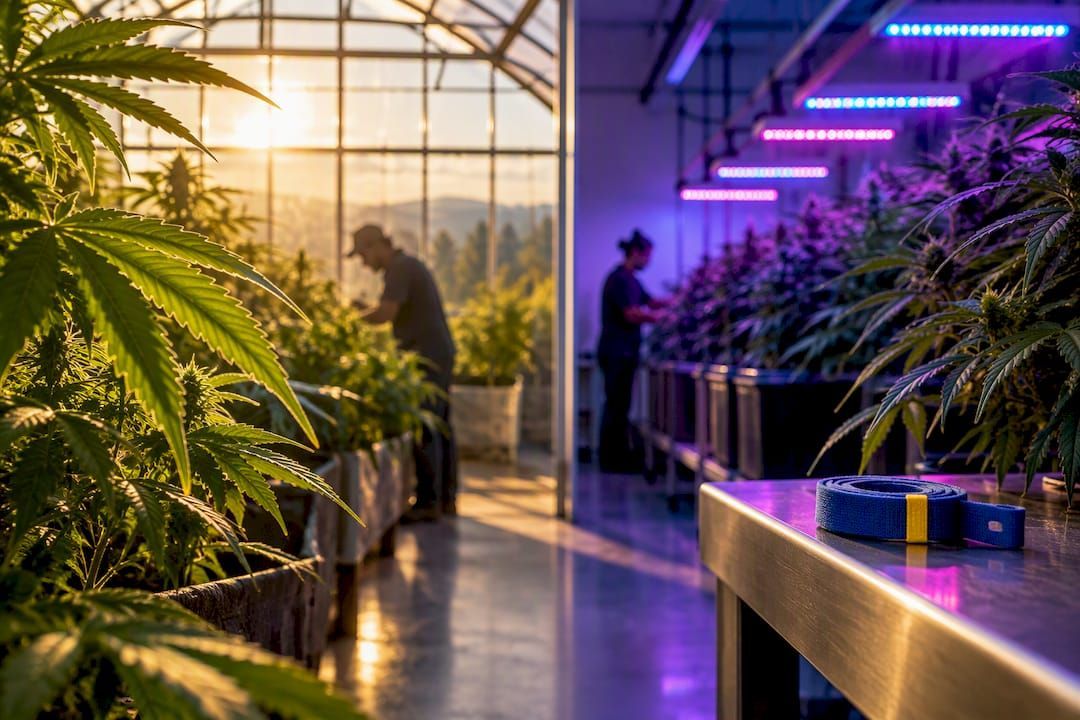
Neither method wins across the board. Indoor cannabis delivers consistent potency, dense bud structure, and predictable visual appeal, while sun-grown flower typically brings richer terpene diversity, better value, and a far lighter energy footprint. Genetics, harvest timing, and curing matter as much as the grow method itself. Your priorities, not a blanket rule, should decide which one lands in your bag. The Certificate of Analysis (COA) is the one document that verifies quality either way, so treat it as your real safety net before you treat "indoor" or "sun-grown" as the deciding factor.
TL;DR:
- Outdoor sun-grown cannabis provides more diverse terpenes and better environmental sustainability compared to indoor methods.
- Indoor cultivation offers consistency, higher THC percentages, and denser buds, but at a significantly higher energy and greenhouse gas footprint.
- Curing and handling after harvest have a greater impact on flavor and effect than cultivation method alone, often overshadowing raw quality differences.
- Checking the Certificate of Analysis is the most reliable way to verify safety, potency, and terpene profile, regardless of whether the product is indoor or outdoor grown.
- Greenhouse or light-deprivation cultivation offers a balanced compromise, combining outdoor flavor complexity with the consistency of indoor harvests.
What Is Sun-Grown Cannabis, and What Are Its Variants?
Sun-grown cannabis is exactly what it sounds like: plants raised outdoors under natural sunlight, in open fields or in living soil beds that build microbial life season after season. Regenerative farms lean on cover crops and no-till practices to keep that soil healthy without synthetic inputs. Light-deprivation ("light-dep") farms sit in a gray zone. They use greenhouse structures with blackout tarps to trick plants into flowering early, squeezing in two or three harvests instead of one.
Because outdoor plants ride the actual seasons, you get real "terroir": a Southern Oregon harvest tastes different from an Applegate Valley one, shaped by regional soil, humidity, and sun exposure. The tradeoff is exposure. Rain near harvest, wind damage, and pests like russet mites are real risks growers manage with companion planting, netting, and careful timing rather than heavy chemical intervention.
- Open-field: full-season, weather-dependent, single annual harvest
- Living soil / regenerative: soil-first approach, often pesticide-light
- Light-deprivation: greenhouse-assisted, multiple harvests per year
What Is Indoor Cannabis Cultivation?
Indoor cultivation means growing in a fully controlled environment, often called Controlled Environment Agriculture (CEA). Growers dial in LED or HPS lighting, HVAC systems, CO2 enrichment, and precise nutrient feeding schedules, then repeat that recipe every cycle. That repeatability is the entire pitch: an indoor grower can push several harvests a year instead of waiting on a calendar.
That control is also why indoor flower tends to post consistent THC numbers and dense, tightly-packed bud structure. There's no wind to toughen stems or rain to worry about, so trichomes develop undisturbed. The cost is real: lighting and climate systems run up substantial power bills, and many indoor operations add security infrastructure to protect a crop that represents a much bigger up-front investment than an outdoor field.
- Lighting, HVAC, CO2, and nutrients tuned per cycle
- Multiple harvests per year, independent of season
- Higher operating costs, often tied to security and code requirements
Does Indoor or Sun-Grown Taste and Feel Different?
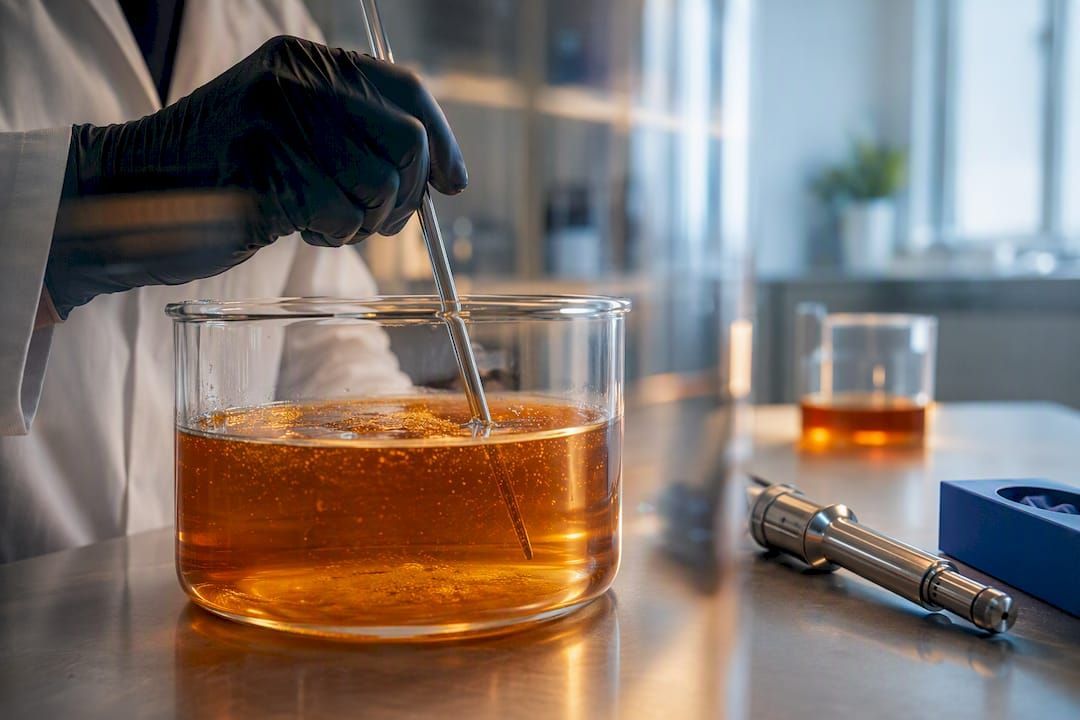
Here's where lab data actually settles an argument that used to be pure opinion. A peer-reviewed 2023 comparison of genetically identical cannabis plants grown indoors and outdoors found the outdoor samples carried a more diverse terpene profile, with noticeably more sesquiterpenes like beta-caryophyllene, alpha-humulene, alpha-bergamotene, and alpha-guaiene.
Outdoor flower tends to run deeper on the sesquiterpene side of the terpene wheel. Monoterpenes (think limonene, myrcene, pinene) are the light, bright notes you smell first, citrus and pine. Sesquiterpenes are heavier, spicier, and slower to fade, the ones that give a jar that layered, almost peppery depth. The same GC-MS and LC-MS analysis found indoor samples showed a higher rate of oxidized and degraded cannabinoids, likely a byproduct of light and handling conditions unique to artificial cultivation.
None of that makes indoor flower inferior. Genetics set the ceiling for any given cultivar, and harvest timing plus drying and curing decide whether that ceiling gets reached. A rushed cure will flatten an outdoor strain's terpene edge just as fast as bad handling dulls an indoor one.
- Monoterpenes: brighter, faster-evaporating, dominate first impression
- Sesquiterpenes: heavier, more stable, drive perceived complexity
- Curing quality can outweigh cultivation method entirely
What Do Bud Appearance and THC Percentage Actually Tell You?
Bag appeal usually favors indoor flower. Dense, trichome-heavy, evenly colored buds photograph well and look "primo" on a dispensary shelf, which is exactly why indoor product often commands premium pricing. But visual density and a high THC percentage on a label are not proof of a better smoke.
Sun-grown flower can look looser or slightly more weathered while still testing strong and, per the Forbes trade reporting on sun-grown competition wins, premium outdoor farms have taken top honors at major cannabis competitions in recent years. Chasing the single highest THC number on a shelf tag also ignores that potency is only one axis of the experience, terpene ratio and cannabinoid balance shape the actual effect far more than a percentage point or two.
- Indoor: denser structure, more uniform color, higher average bag appeal
- Sun-grown: more natural variation, often better value per gram
- THC% alone doesn't predict how a strain will actually feel
Pro Tip: Don't let a THC number above 25% be your only filter. Two flowers testing within a couple points of each other can feel completely different depending on their terpene ratio, so read the full panel, not just the headline figure.
Which Method Is Better for the Environment?
If sustainability matters to you, the data leans hard one direction. A 2026 systematic review of life-cycle assessment studies found indoor cannabis cultivation generates far higher greenhouse gas emissions per kilogram of dried flower than outdoor growing, with greenhouse systems landing somewhere in between depending on design and location. A Washington State BOTEC review reached a similar conclusion years earlier, pointing to lighting and HVAC as the two biggest energy sinks in any indoor facility and recommending greenhouse or outdoor substitution where climate allows.
Water tells a more complicated story. Outdoor crops can hit higher peak water demand during hot stretches, while indoor systems often use less water per plant but far more electricity to get there. Peat-based substrates common in some indoor setups also carry their own carbon cost worth asking about.
- Indoor: highest energy and GHG footprint per kilogram of flower
- Greenhouse: moderate footprint, varies by design and climate
- Outdoor: lowest GHG footprint, higher peak water use in dry seasons
If a brand claims sustainability, ask what backs it up. Renewable-powered indoor facilities and greenhouse growers with documented LCA data can shift this comparison, so a real certification or published energy statement means more than a green logo on the label.
How Should You Choose Flower Based on Your Priorities?
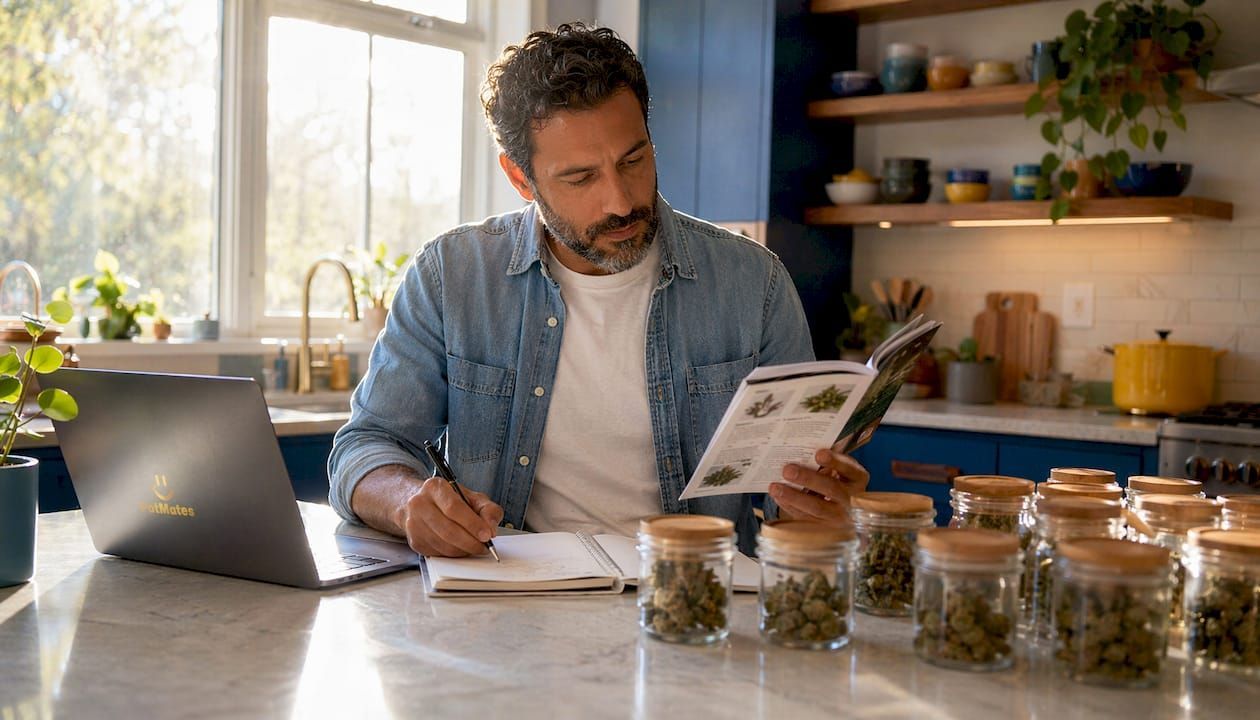
The fastest way to cut through cultivation-method marketing is to start with the COA. It's the only document that verifies pesticide, heavy-metal, and microbial safety, and regulated markets hold every method to the same testing standard. Cultivation claims on a label are marketing; a clean COA is proof.
- Check the COA first for a clean pesticide, heavy-metal, and microbial result.
- Read the full terpene panel, not just the THC percentage, to match your intended effect.
- Look at the cultivar name and grow method together, genetics set the baseline flavor and effect profile.
- Compare price per gram against what you actually value, potency, aroma, or footprint.
- Ask about provenance: which Oregon farm or facility grew it, and when.
Three quick buyer profiles help narrow this fast. The potency-first buyer should prioritize a clean COA and a strong, balanced terpene panel over the raw THC number alone. The aroma and experience-first buyer should hunt for sun-grown or greenhouse flower with a heavy sesquiterpene showing. The sustainability and value-first buyer should lean outdoor or greenhouse and ask directly about a grower's energy sourcing.
Pro Tip: Screenshot a COA you like before you buy. Comparing panels side by side across a few options makes it obvious which grower is consistently testing clean, not just once.
What Is Greenhouse or Light-Deprivation Growing?
Greenhouse cultivation splits the difference. Growers use natural sunlight as the primary light source but add supplemental lighting, ventilation, and climate control to smooth out weather swings. Light-deprivation techniques let farms trigger flowering on a schedule instead of waiting for the calendar, which means multiple harvests a year without going fully indoor.
According to industry reviews from Project CBD, this hybrid approach can preserve much of the terpene complexity you'd expect from full sun exposure while delivering more uniformity than an open field ever will. For a buyer who wants outdoor-style flavor without the batch-to-batch variance, greenhouse flower is often the smartest middle ground on a dispensary menu.
- Uses sunlight primarily, with supplemental lighting as backup
- Multiple harvests per year, similar to indoor scheduling
- Terpene complexity closer to outdoor, with indoor-like consistency
How Does Potmatespdx Curate Indoor and Sun-Grown Flower?
Potmatespdx builds its Flower menu around trusted Oregon growers across indoor, greenhouse, and sun-grown methods, so the comparison above isn't theoretical, it's how the catalog gets built. The Cannabis 101 education hub and AI Budtender tool exist specifically to help Portland customers translate lab panels into a purchase they'll actually enjoy, backed by same-day, discreet delivery.
How Do Harvesting and Curing Change the Final Product?
Harvest timing and curing shape a finished flower's quality at least as much as where it grew. Outdoor growers work against a hard deadline: fall weather, so timing a harvest often means balancing peak trichome development against the risk of an early rain event that can trigger mold. Once cut, outdoor flower typically air-dries in barns or greenhouses with less climate precision, then moves into slower curing that many growers argue lets sesquiterpenes settle rather than flash off.
Indoor growers control that timeline completely. There's no weather deadline, so harvest happens exactly when trichomes hit peak maturity under controlled light, and drying rooms hold tight humidity and temperature bands from day one. That precision is part of why indoor flower's cannabinoid numbers read so consistently from batch to batch.
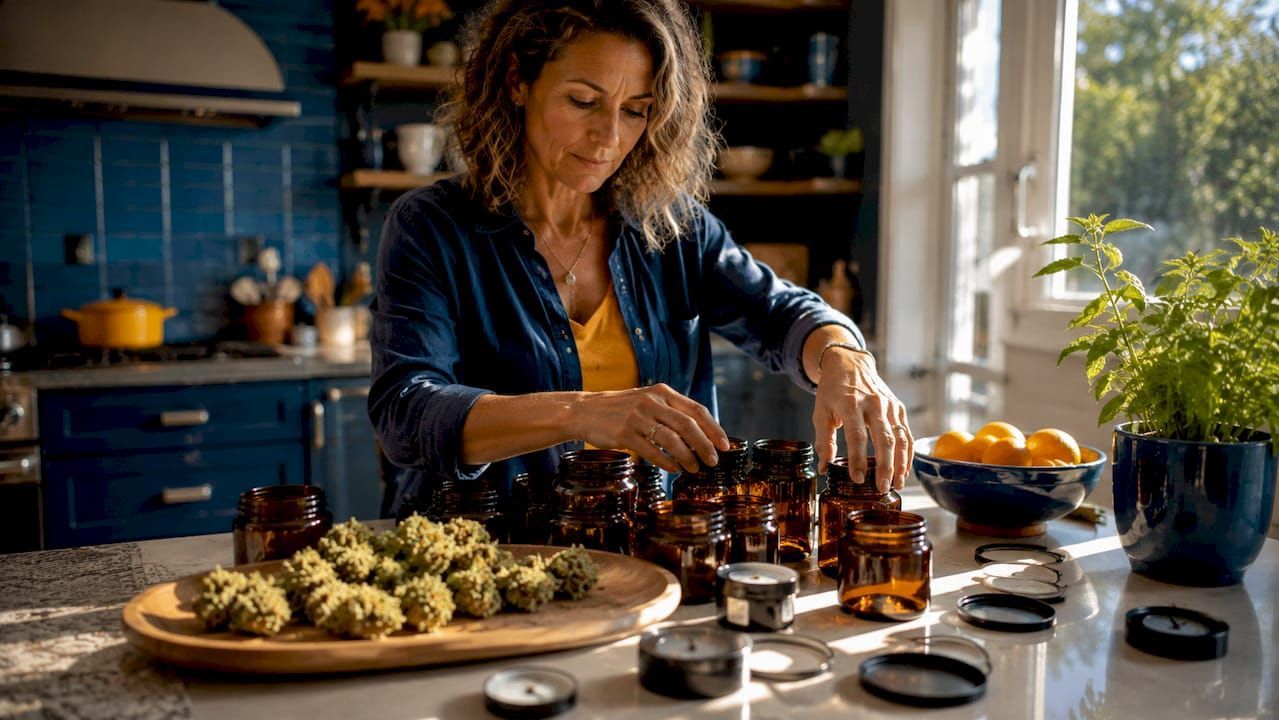
Curing itself, the slow jar-based process that lets chlorophyll break down and terpenes mellow, matters more than the growing environment once the plant is cut. A rushed cure on premium indoor flower will produce a harsher, grassier smoke than a patient, well-managed cure on mid-tier sun-grown flower. This is also where a lot of "outdoor tastes harsh" complaints actually originate. It's rarely the sun's fault; it's usually a grower who dried too fast to hit a shelf date. When you're comparing two flowers from the same category, ask about cure time before you ask about grow method. A four-to-six-week cure versus a rushed one-week dry-and-ship explains more flavor variance than indoor versus outdoor ever will.
How Long Does Indoor vs Sun-Grown Flower Stay Fresh?
Shelf life comes down to moisture content and storage, not cultivation method, but the two growing styles do arrive at the jar with different starting points. Indoor flower, dried under precise humidity control, often reaches the shelf slightly more evenly moisturized, which can make it marginally more forgiving in storage. Sun-grown flower's natural variation means one batch might need a touch more attention to humidity packs than another from the same farm.
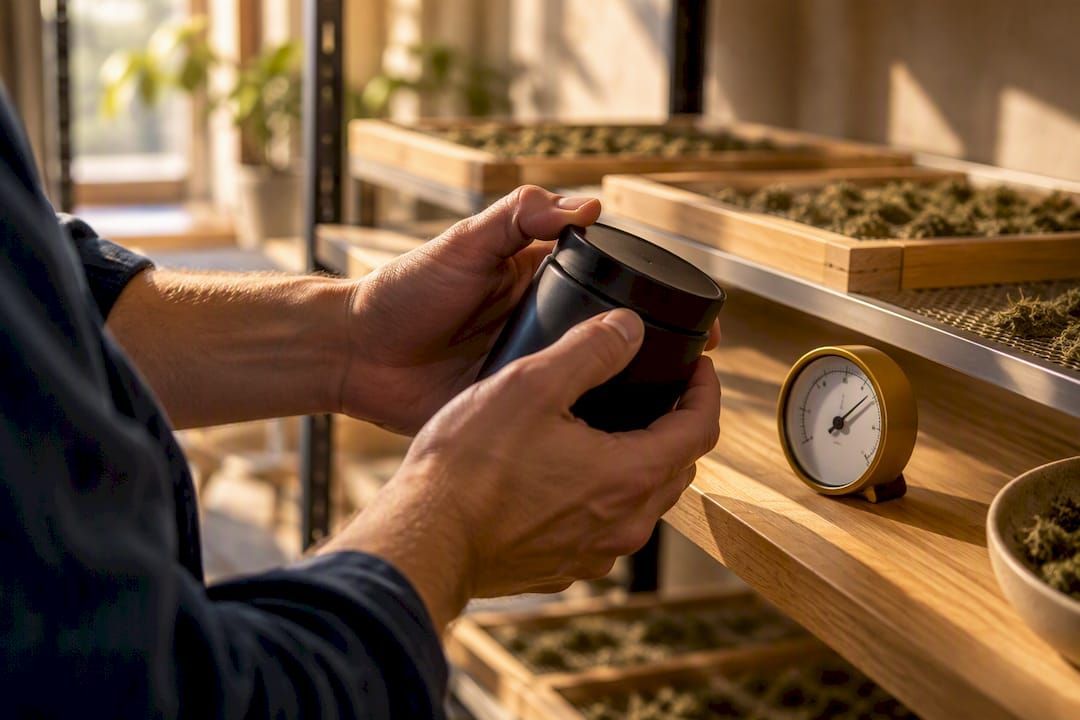
Once flower reaches your hands, the storage rules are identical regardless of where it grew. Keep it in an airtight, opaque container, away from direct light and heat, ideally with a humidity pack holding conditions in the 58 to 62 percent range. Light degrades cannabinoids over time regardless of growing method, and heat accelerates that same oxidative process the 2023 PMC study flagged as more common in indoor samples to begin with, meaning sloppy storage compounds a problem that starts at the farm.
Terpene loss is usually the first sign of aging flower, whichever way it grew. That bright, loud smell fades faster than potency does, so a jar that's gone quiet on the nose is telling you something even if a THC number on an old label still reads high. Sun-grown flower with its heavier sesquiterpene load tends to hold aroma a bit longer than lighter, monoterpene-dominant indoor cultivars, simply because those heavier compounds evaporate more slowly. Either way, buying only what you'll use in a few weeks beats stockpiling, no storage container fully stops the clock.
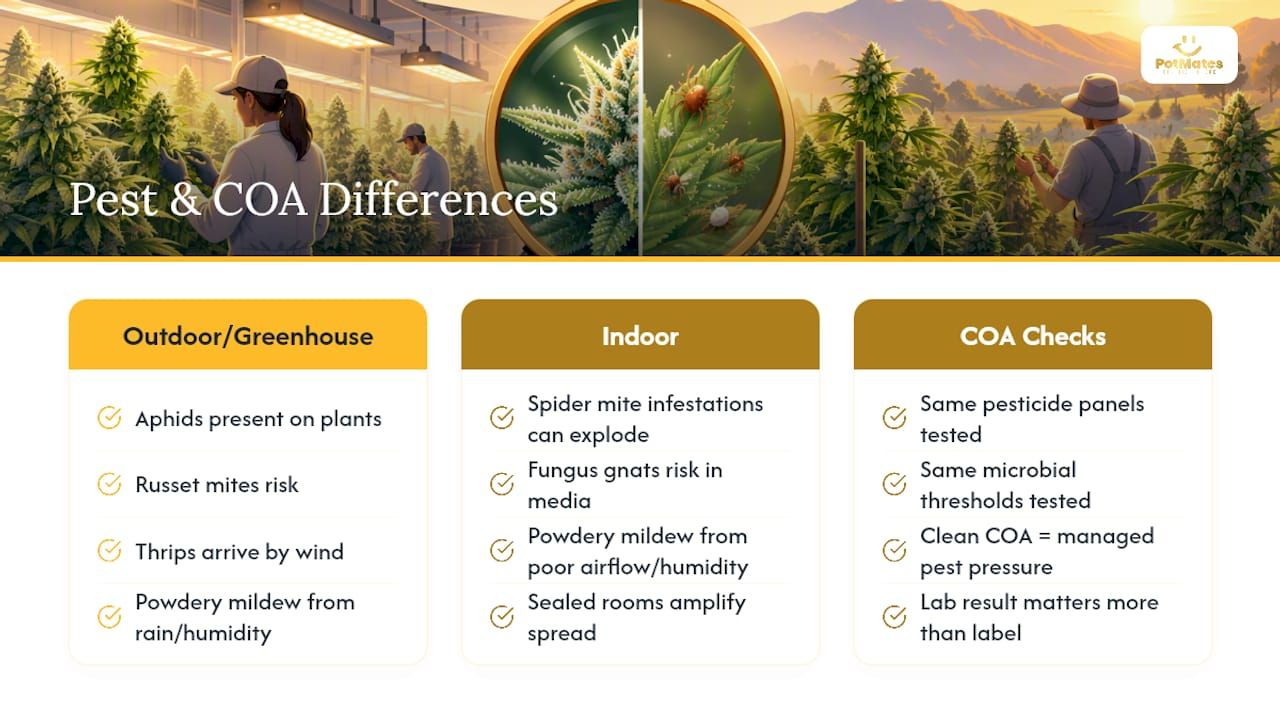
What Pest and Disease Risks Differ Between Indoor and Outdoor Grows?
Indoor and outdoor cultivation face almost entirely different threat lists, which is part of why comparing "cleanliness" between them oversimplifies things. Outdoor and greenhouse growers deal with the classics: aphids, russet mites, and thrips that ride in on wind or nearby crops, plus powdery mildew and botrytis (bud rot) triggered by humidity swings and rain near harvest. Regenerative and living-soil farms lean on companion planting, beneficial insects, and netting to manage these pressures without heavy pesticide use, though a wet fall can still wipe out a harvest window fast.
Indoor grows trade weather risk for containment risk. Because the environment is sealed, an infestation of spider mites or fungus gnats can explode across an entire room before a grower notices, since there's no wind or natural predators to slow it down. Powdery mildew remains a threat indoors too, usually triggered by poor airflow or humidity control rather than rain. The upside of a sealed facility is that growers can respond with targeted, contained treatment rather than fighting an outdoor infestation across acres.
This is exactly why the COA matters more than the cultivation label. Regulated markets test both indoor and outdoor flower for the same pesticide panels and microbial thresholds, so a clean lab result tells you the grower managed whichever pest pressure they faced, rather than assuming one method is inherently cleaner than the other.
The Real Answer Behind Indoor vs Sun-Grown
The conventional wisdom treats this like a potency contest, whichever flower tests higher on THC wins. That framing misses what actually drives a good experience: terpene balance, clean lab results, and a proper cure. The chemistry backs this up plainly. Outdoor flower's richer sesquiterpene profile and indoor flower's tendency toward more oxidized cannabinoids both point to the same conclusion: the growing method shapes the raw material, but handling after harvest decides what actually reaches your jar.
Where most buying guides fall short is treating "indoor" as a permanent quality signal. It was, once, before greenhouse and regenerative outdoor techniques closed much of that gap. Today a well-cured, greenhouse-grown flower can out-perform a rushed indoor batch on every axis that matters except raw bud density.
My advice: stop shopping by cultivation method first. Shop by COA, then terpene panel, then cultivation method, in that order. If sustainability matters to you, weight it heavily, the environmental gap between indoor and outdoor is not subtle. Everything else is a matter of what you personally want in the jar.
— Hammond
Ready to Compare Indoor and Sun-Grown Flower Yourself?
Potmatespdx is built for exactly this kind of side-by-side decision. Instead of guessing from a shelf tag, you can browse curated Flower from trusted Oregon growers spanning indoor, greenhouse, and sun-grown methods, with COAs and provenance details available on every product page. A delivery-only, curation-focused model lets customers compare verified lab panels conveniently instead of relying solely on shelf displays.
Pair that with the Cannabis 101 education hub if you want a refresher on reading terpene panels before you buy, and let the AI Budtender narrow the menu down to strains that actually match what you're after, aroma, potency, or a lighter environmental footprint. When you're ready, place an order through Potmatespdx and get discreet, same-day delivery scheduled around your day, not the other way around.
Sources
- Comparison of the Cannabinoid and Terpene Profiles in Commercial Cannabis from Natural and Artificial Cultivation
- Recent Advances in Sustainability Assessment of Medicinal Cannabis Cultivation and Production
- Sungrown vs. Indoor Cannabis Cultivation (Project CBD)
- The Case for Sun-Grown Cannabis (Forbes)
FAQ
Does Indoor Flower Get You High?
Yes, indoor flower gets you high just like sun-grown flower does, since THC is the primary compound driving intoxication regardless of growing method. Indoor cultivation tends to produce consistent, often higher THC percentages, but the full terpene and cannabinoid panel matters more to the actual feeling than the growing environment alone.
Is Sun-Grown Cannabis Weaker Than Indoor?
No, sun-grown cannabis is not inherently weaker. Genetics and curing determine potency far more than sunlight versus artificial light, and many outdoor and greenhouse cultivars test comparably to indoor flower while carrying more diverse terpenes.
Which Is More Environmentally Friendly, Indoor or Outdoor?
Outdoor cultivation is significantly more environmentally friendly by most measures. Life-cycle assessment research shows indoor grows generate far higher greenhouse gas emissions per kilogram of flower due to lighting and climate control, with greenhouse systems landing in between.
Should I Always Check the COA Before Buying?
Yes, checking the COA should always come before trusting a cultivation-method label. It's the only document confirming a flower passed pesticide, heavy-metal, and microbial testing, and you can review provenance and lab results directly on Potmatespdx product pages before ordering.
What's the Best Compromise Between Indoor and Sun-Grown?
Greenhouse or light-deprivation flower is often the best middle ground. It combines much of the terpene complexity associated with natural sunlight with the uniformity and harvest frequency that indoor growing is known for.
Recommended