What Is Cannabis Consumption? Your 2026 Guide
Cannabis consumption is no longer a single act tied to a single image. What is cannabis consumption, really? It's the intentional use of cannabis plant compounds through any one of several distinct delivery methods, each producing different onset times, intensities, and durations of effect. 62 million Americans used cannabis as of 2022, yet a surprising number of users, new and experienced alike, still rely on one method out of habit rather than intention. This guide breaks down how each method works, what the science says about safety, and how to match your approach to your actual goals.
Key takeaways
| Point | Details |
|---|---|
| Multiple methods exist | Cannabis can be inhaled, eaten, placed under the tongue, or applied to skin, each with distinct effects. |
| Onset times vary widely | Inhalation works in minutes; edibles can take up to two hours, making patience a critical safety factor. |
| Cannabinoids work together | THC, CBD, and terpenes interact in what is called the entourage effect, producing richer results than any single compound alone. |
| Personalization matters | No single consumption method suits everyone; your health history, goals, and lifestyle all shape the right choice. |
| Start low, go slow | Especially with edibles and tinctures, beginning with a low dose and waiting prevents uncomfortable overconsumption. |
Primary cannabis consumption methods
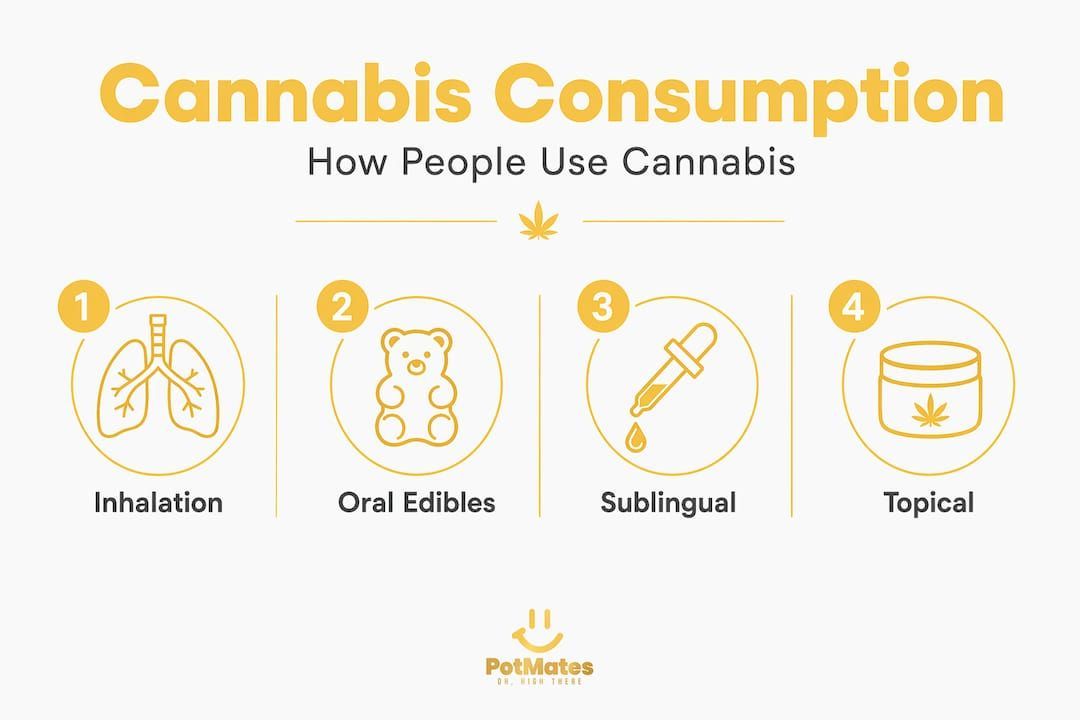
Understanding the cannabis consumption methods list starts with recognizing four main delivery routes: inhalation, oral ingestion, sublingual absorption, and topical application. Each pathway moves cannabinoids into your body at a different speed and with different efficiency.
Inhalation is the most traditional route. Smoking flower through a joint or pipe delivers effects within minutes because cannabinoids move directly from the lungs into the bloodstream. Vaporizing, whether using a dry herb vaporizer or a vape cartridge, works by the same general pathway. It feels smoother on the throat and produces less odor, which matters for discretion. That said, vaping also impacts brain and body health , so treating it as a completely risk-free swap for smoking oversimplifies the picture.
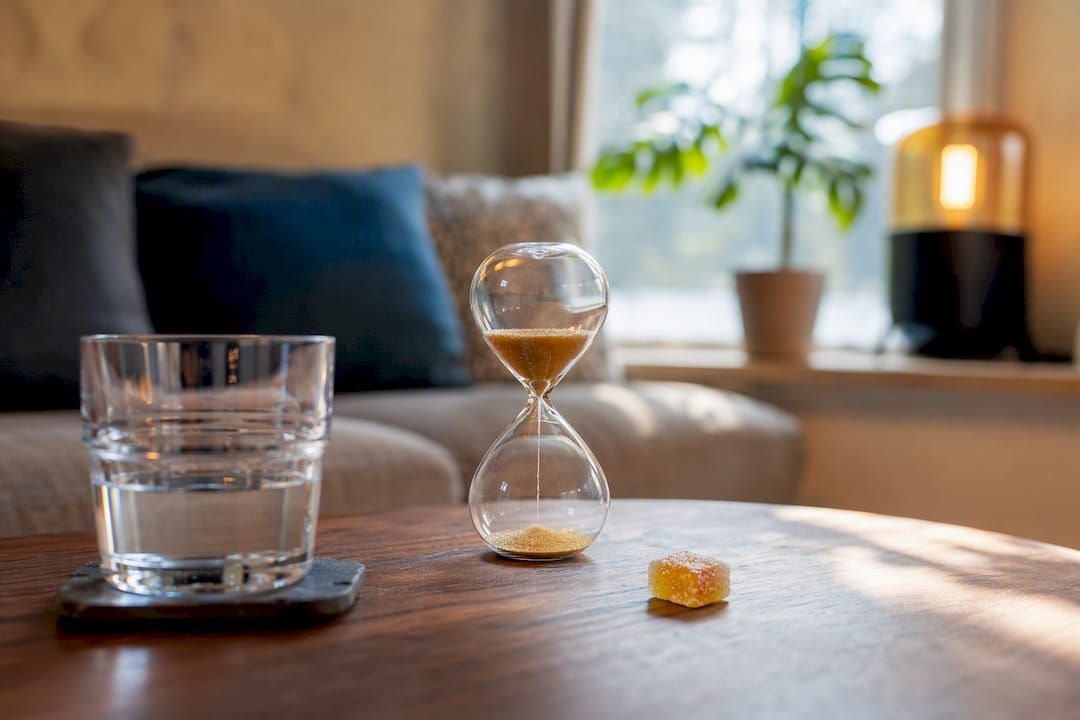
Oral ingestion through edibles, capsules, or beverages is where timing surprises most people. The liver processes THC into a more potent form called 11-hydroxy-THC, which is why edible effects feel stronger and last longer, often four to eight hours. Edibles have a delayed onset of 30 minutes to two hours , which catches many users off guard and leads to premature re-dosing.
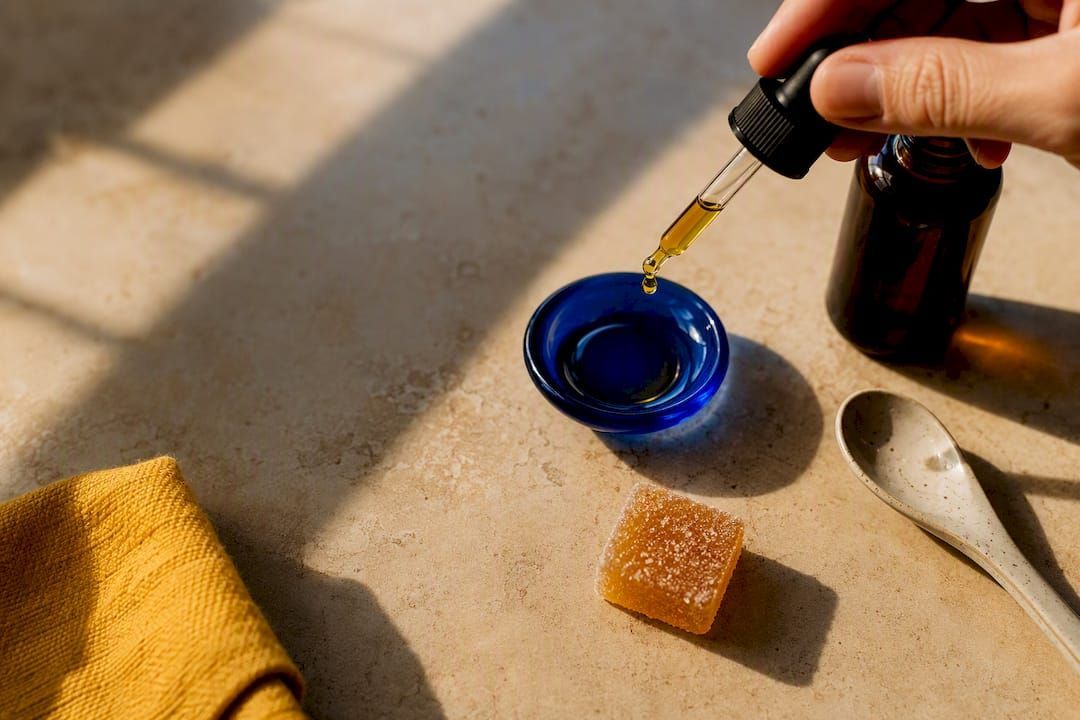
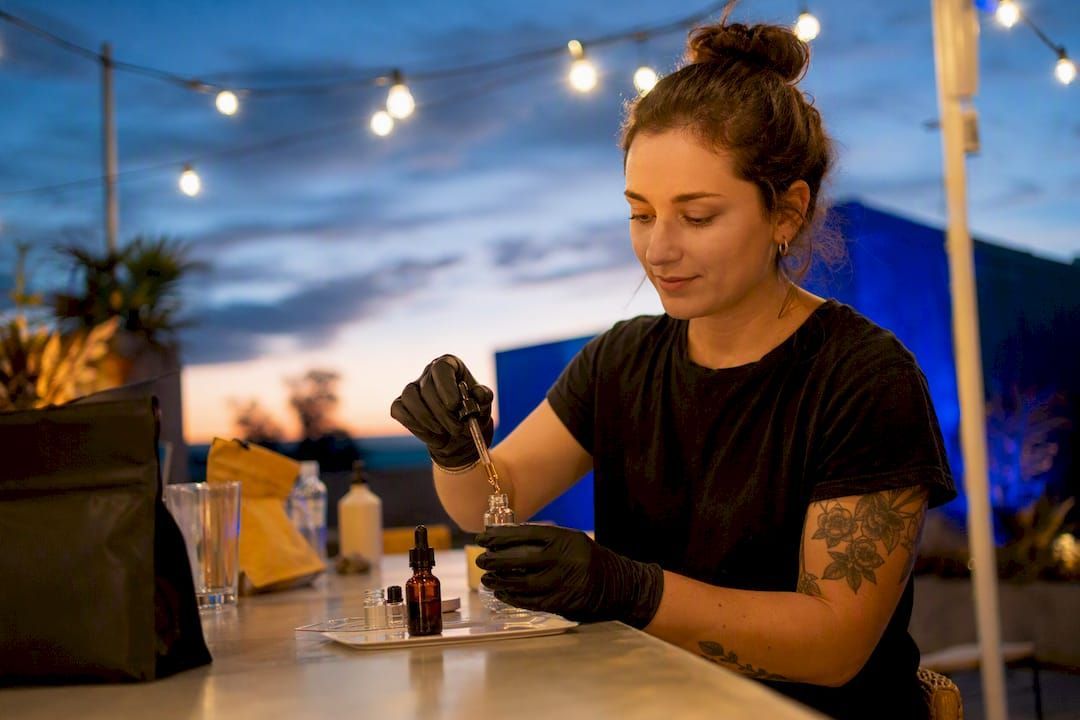
Sublingual tinctures and sprays offer a middle path. Holding a tincture under your tongue for 60 to 90 seconds allows cannabinoids to absorb directly into the bloodstream, bypassing the liver for faster onset, typically 15 to 45 minutes. Swallowing it immediately drops you back into the edible timeline.
Topicals , including creams, balms, and patches, provide localized relief without psychoactive effects. If your goal is joint comfort or skin inflammation, a topical delivers cannabinoids exactly where you want them without affecting your mental state. That makes this category especially attractive for people who want therapeutic benefits only.
- Inhalation: fastest onset (2 to 10 minutes), shorter duration (1 to 3 hours)
- Edibles and capsules: slowest onset (30 min to 2 hours), longest duration (4 to 8 hours)
- Sublingual tinctures: moderate onset (15 to 45 minutes), moderate duration (2 to 4 hours)
- Topicals: localized effect, no psychoactive high
Pro Tip: If you want immediate relief for anxiety or sleep plus sustained overnight effect, pairing a vape hit with a low-dose edible taken 30 minutes earlier can cover both timelines. This layered approach is one of the more practical cannabis lifestyle tips for experienced users.
Cannabinoids, terpenes, and the entourage effect
THC (tetrahydrocannabinol) is the primary compound responsible for psychoactive effects. CBD (cannabidiol) does not produce intoxication but plays a measurable role in modifying the overall experience, including tempering THC-related anxiety. Understanding how CBD differs from cannabis as a whole compound is a worthwhile starting point for anyone building a personal protocol.
The real depth comes from what happens when these compounds interact. The entourage effect describes how cannabinoids and terpenes synergize to produce a fuller, more nuanced experience than any isolated extract can deliver. Terpenes are the aromatic compounds that give cannabis strains their distinctive scent, whether that is sharp citrus, fresh pine, or earthy musk. They are not passive flavor agents. They actively influence how cannabinoids bind to receptors and how the body processes them. The terpene effect on cannabis quality is genuinely worth exploring if you want to understand why two strains with identical THC percentages can feel completely different.
Full-spectrum flower is widely preferred by medical users for exactly this reason. Isolates and broad-spectrum extracts can be useful, but they often lack that layered aroma and synergy that comes from the whole plant. On the pharmaceutical end, FDA-approved synthetic THC formulations like dronabinol exist for specific medical applications like chemotherapy-induced nausea, though regulators caution against monotherapy approaches without broader clinical support.
Safety and responsible consumption practices
Understanding what is cannabis consumption also means understanding where it can go wrong. About 1 in 10 cannabis users develop addiction , and that risk climbs to 1 in 6 when use begins before age 18. Cannabis use disorder is defined by continued use despite negative consequences in relationships, work, or health, and it can include genuine withdrawal symptoms in frequent users. This is not about fear. It is about going in with clear eyes.
The most common safety mistakes follow a predictable pattern. Here is how to avoid them:
- Start with the lowest effective dose. For edibles, that means 2.5 mg THC or less. For flower, one or two puffs and a 15-minute wait before deciding you need more.
- Wait the full onset window before re-dosing. This matters most with edibles. Taking more because you feel nothing after 45 minutes is how a pleasant evening becomes an overwhelming one.
- Track your sessions. Note the method, product, dose, and how you felt. Patterns emerge quickly and help you fine-tune your approach. Use a step-by-step dosing guide as a framework.
- Consider drug interactions. Cannabis can affect how the body metabolizes certain medications. If you are on prescription drugs, a brief, honest conversation with your doctor is worth having.
- Avoid mixing with alcohol. The combination intensifies impairment in ways that are difficult to predict, particularly with high-THC products.
Pro Tip: If you are using cannabis for therapeutic reasons, keep a simple log for your first two weeks. Dose, method, time, and a one-line note on effect. You will learn more from two weeks of data than from two months of guessing.
Choosing the right method for your needs
Selecting the right formulation and route is inherently personal , shaped by your medical history, tolerance, environment, and what you actually want out of the experience. There is no universal best. That said, a few practical filters help narrow it down.
- Speed of relief needed: Inhalation and sublingual for fast-acting needs; edibles for extended, slow-burn effects
- Discretion and environment: Edibles, capsules, and tinctures produce no smoke or smell, making them far more practical in shared spaces
- Therapeutic versus recreational intent: Topicals for localized physical relief; full-spectrum flower or tinctures for mood or sleep
- Tolerance and sensitivity: First-time users do better with edibles at very low doses or with CBD-dominant products before introducing high-THC options
If you want to understand how strain genetics play into your method choice, it helps to choose a cannabis strain that aligns with your intended experience. A sedating indica-dominant strain paired with an edible before bed is a very different tool than a sativa-leaning vape for a social afternoon.
Experimenting safely means making one change at a time. Switching strain, method, and dose all at once leaves you with no way to know what drove the outcome. Slow, deliberate adjustments are the hallmark of every experienced cannabis user worth learning from.
My honest take on how people get this wrong
I've watched a lot of people, smart, thoughtful adults, have genuinely bad experiences with cannabis not because the plant failed them but because they treated all consumption methods as interchangeable. The most common mistake I've seen? People who smoke with confidence try an edible and completely lose the script because they hit it like a joint. The dosing logic does not transfer.
What I have learned is that patience is the single most underleveraged skill in cannabis use. You do not need a higher dose. You need to wait. And then wait a little more. That lesson applies especially to edibles and tinctures, where the clock between "I don't feel anything" and "this is too much" can be shockingly short.
I also think the stigma around asking questions does real harm. People are embarrassed to say they do not know what they're doing, so they do not ask, and they rely on guesswork. The role of cannabis in lifestyle improvement is real, but it requires honest self-assessment and a willingness to start small. There is nothing cautious about that. It is just smart.
— Hammond
Find the right products for how you want to consume
At Potmatespdx, we built our product selection around the reality that people consume cannabis differently for very good reasons. Whether you want the fast-acting clarity of a premium vape, the extended comfort of a precisely dosed edible, or the therapeutic simplicity of a topical, we carry top-shelf options from trusted Oregon growers. If smoking is not your style, our non-smoking cannabis products guide breaks down the best alternatives available for delivery in Portland. Browse our cannabis edibles and cannabis flower menus, or let our AI Budtender match you to the right product based on your goals. START DELIVERY HERE at potmatespdx.com.
FAQ
What does cannabis consumption mean?
Cannabis consumption refers to any method of using cannabis to introduce cannabinoids like THC and CBD into the body, including smoking, vaping, eating edibles, using tinctures, or applying topicals.
Which consumption method works the fastest?
Inhalation through smoking or vaping produces effects within 2 to 10 minutes, making it the fastest-acting cannabis consumption method available.
Are edibles stronger than smoking?
Edibles are not necessarily higher in THC, but the liver converts THC into 11-hydroxy-THC, which produces more intense, longer-lasting effects than inhaled cannabis.
Can you get addicted to cannabis regardless of method?
Yes. Cannabis addiction risk exists regardless of consumption method, with approximately 1 in 10 users developing dependence over time.
Is vaping cannabis safer than smoking it?
Not conclusively. While vaping avoids combustion byproducts, evidence shows it can still affect brain and body health, so neither method is without risk.