

What Is Personalized Cannabis? Your 2026 Guide
Personalized cannabis refers to cannabis products and regimens specifically tailored to an individual's unique body chemistry, genetics, lifestyle, and desired effects. Rather than grabbing a generic "indica for sleep" or "sativa for energy," you build a consumption plan around your actual biology and goals. Tools like AI-driven product matching , genetic assays analyzing up to 13 markers, and dose-tracking apps are reshaping what it means to find your ideal cannabis experience. The old strain label system is giving way to something far more personal and far more useful.
What is personalized cannabis and why does it matter?
Personalized cannabis is defined as tailored product selections and regimens based on individual body chemistry, genetics, and lifestyle. That definition matters because two people can consume the same strain at the same dose and have completely different experiences. One person feels calm and focused. The other feels anxious and foggy. The difference is biology, not the product.
The cannabis industry has relied on broad categories like indica, sativa, and hybrid for decades. Those labels are a starting point at best. What actually drives your experience is a combination of cannabinoid ratios, terpene profiles, your personal metabolism, and your endocannabinoid system's baseline activity. The industry must move beyond broad strain categories because consumers need product relevance aligned with their unique intents and tolerances. Personalization is how that gap gets closed.
How do modern technologies enable personalized cannabis experiences?
Technology gives you more data to work with, but it does not replace your own observations. Here is what the current toolkit actually looks like:
- AI-driven recommendations: Platforms analyze user-reported data like sleep habits, mood logs, and nutrition to suggest custom dosages and strains. These systems rely heavily on collaborative filtering and user patterns rather than true machine learning. The predictions are useful starting points, not guaranteed outcomes.
- Genetic testing: Cannabis genetic tests analyze up to 13 markers related to THC and CBD metabolism, anxiety risk, and pain thresholds. The catch is that genetic tests have limited real-world predictive power. Your genes tell part of the story. Your habits, stress levels, and tolerance tell the rest.
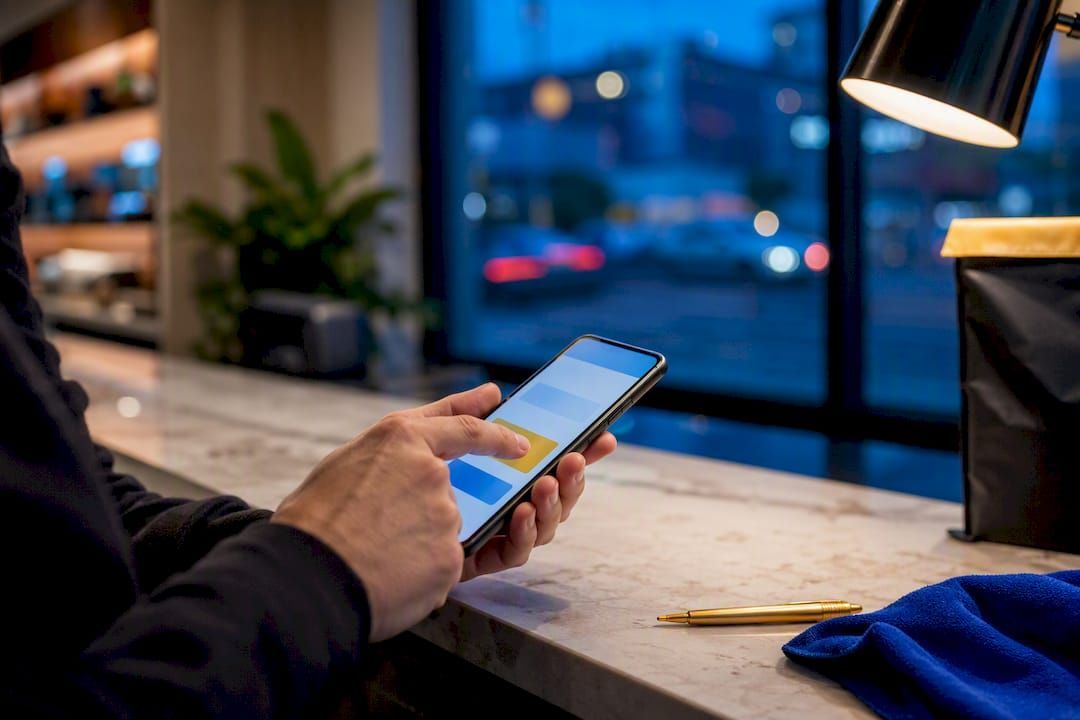
- Dose-tracking apps: Apps like Releaf and Strainprint let you log strain, dose, time of day, and effects after each session. Over time, patterns emerge that no genetic test can replicate.
- Terpene profile matching: Understanding terpenes like myrcene, limonene, and linalool helps predict effects beyond just THC percentage. Potmatespdx covers this in depth in their guide to Oregon cannabis terpenes.
Pro Tip: Treat AI recommendations as a hypothesis, not a prescription. Use them to narrow your options, then verify through your own tracking.
The honest reality is that pharmacogenomics for cannabis is still early-stage. Manual tracking remains more reliable than any single technology for building a genuinely personalized regimen. Technology organizes your data. You still have to generate it.
What practical steps should you take to build your regimen?
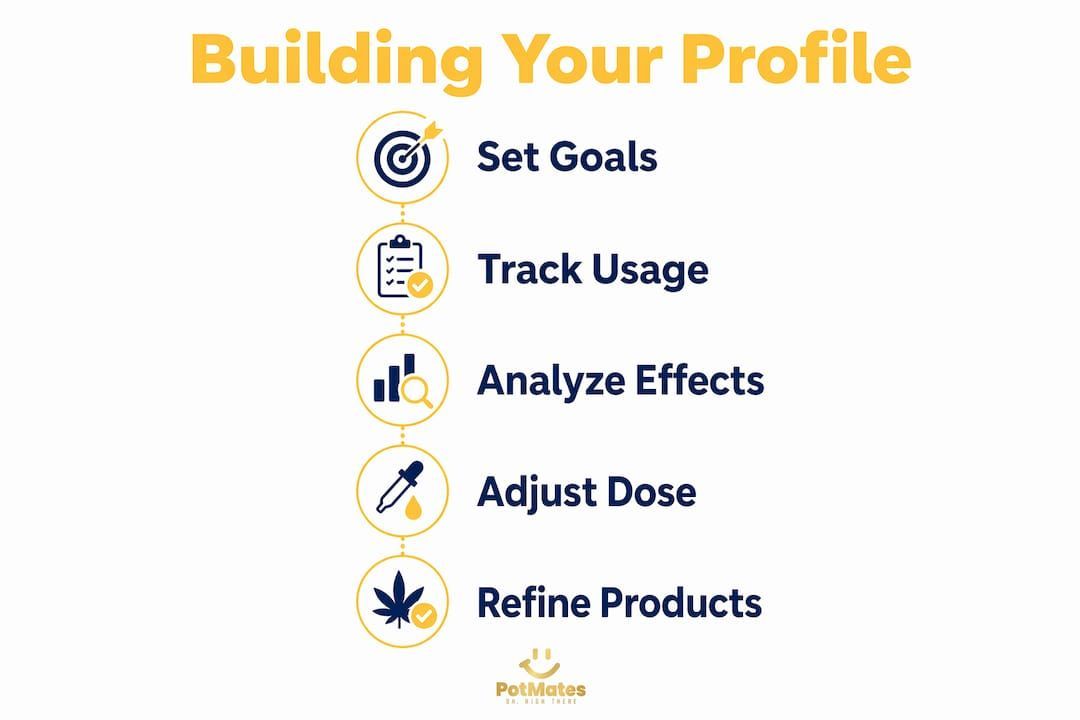
Building a personalized marijuana experience requires discipline, not just curiosity. Follow these steps to get real, usable data:
- Start with dosage fundamentals. Beginners should start at 2.5–5 mg THC and wait at least two hours before considering more. Experienced users can begin at 10–15 mg. This rule applies regardless of what any app or genetic test suggests.
- Commit to at least two weeks of logging. Systematic consumption tracking for a minimum of two weeks is required to identify reliable patterns. One or two sessions give you anecdotes. Two weeks give you data.
- Change only one variable per session. Switching strain, dose, and time of day all at once destroys your ability to know what caused what. Changing multiple variables at once neutralizes data accuracy. Adjust one thing, observe the result, then adjust again.
- Track the right data points. Log strain name, THC and CBD percentages, dose in milligrams, time of day, consumption method, and your effects at 30, 60, and 120 minutes. Also note your mood and energy level before consuming.
- Review and adjust after two weeks. Look for patterns. Did a specific terpene profile consistently produce the effect you wanted? Did a higher dose reliably cause anxiety? Those patterns are your personalized profile.
Pro Tip: Use a simple notes app if dedicated cannabis tracking apps feel like overkill. Consistency matters more than the tool you use.
Potmatespdx has a detailed resource on finding your perfect dose that pairs well with this tracking approach.
What custom cannabis products are available for personalization?
Custom cannabis products have expanded well beyond picking a pre-rolled joint off a shelf. The options now cover a wide spectrum of formats and formulations:
- Build-your-own flower assortments: Some dispensaries let you select multiple strains in custom quantities, so you can rotate based on time of day or desired effect. Custom flower bundles draw from premium inventory and let you compare strains side by side.
- Custom gummy and edible boxes: Edibles with specified cannabinoid ratios, like a 5:1 CBD to THC ratio for daytime calm, give you precise control over your experience. These are especially useful for people who need consistent dosing.
- Terpene-forward product selections: Choosing products by terpene profile rather than strain name is a more accurate way to predict effects. A product high in linalool tends toward relaxation. One high in pinene tends toward alertness.
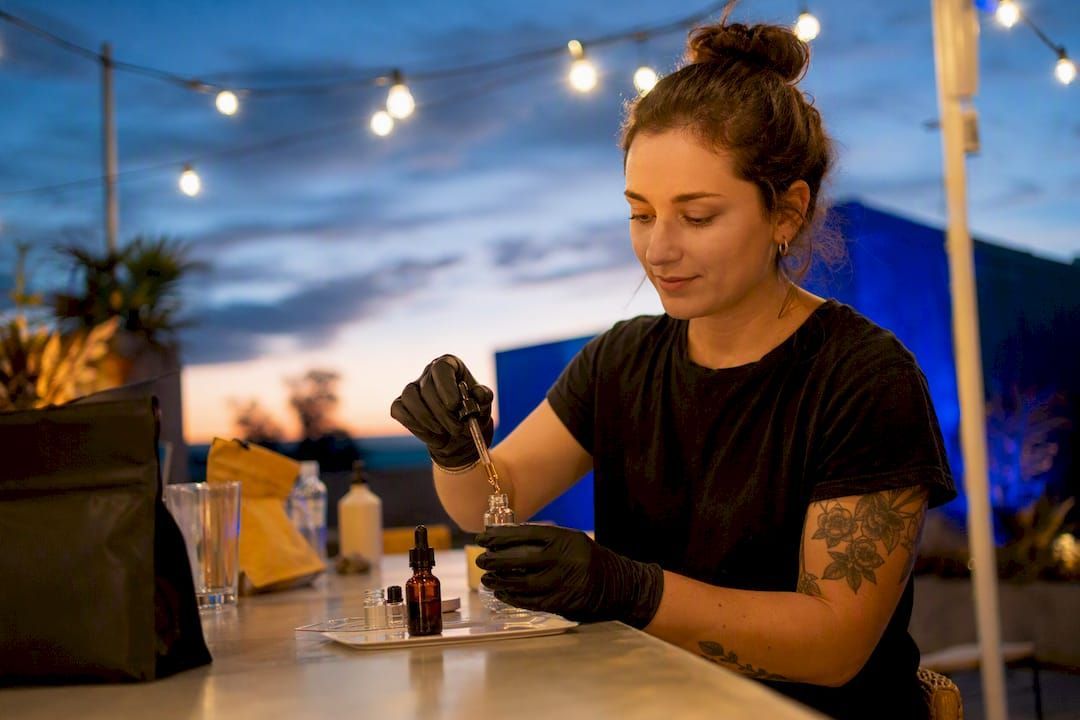
- Private-label and professional formulations: Private-label cannabis services allow specified cannabinoid ratios and terpene profiles at a professional level. Entry-level private-label services typically start in the low four figures, making them more relevant for wellness practitioners or serious enthusiasts.
These product formats work best when paired with the tracking habits described above. Knowing that you respond well to a high-myrcene, moderate-THC flower makes browsing a curated menu far more productive than guessing by strain name alone.
How does personalized cannabis apply to medical vs. recreational use?
Medical cannabis qualifies as personalized medicine because treatment plans adapt cannabinoids, doses, and delivery methods based on individual conditions and biology rather than standardized protocols. A clinician treating chronic pain adjusts the cannabinoid ratio and delivery method based on the patient's history, tolerance, and response. That is the definition of individualized therapy.
Recreational users apply the same logic with different goals. Instead of managing a condition, you are targeting a specific experience. You might want deep relaxation after work, creative focus for a project, or a social lift for an evening out. Each goal calls for a different cannabinoid and terpene combination.
"The most effective cannabis experience is the one designed around you, not the one designed for everyone."
Both medical and recreational users benefit from the same core practice: tracking what works, adjusting what does not, and building a profile over time. The difference is the goal, not the method. Potmatespdx covers the science behind cannabis strains in detail for anyone who wants to go deeper on the biology.
Key Takeaways
Personalized cannabis works best when you combine consistent tracking, controlled experimentation, and product selection based on cannabinoid ratios and terpene profiles rather than generic strain labels.
| Point | Details |
|---|---|
| Define your goal first | Decide whether you want relaxation, focus, pain relief, or another specific effect before choosing a product. |
| Start low, go slow | Beginners start at 2.5–5 mg THC; experienced users at 10–15 mg, regardless of tech recommendations. |
| Track for at least two weeks | Consistent logging over two weeks reveals reliable patterns that single sessions cannot. |
| Change one variable at a time | Adjusting strain, dose, or timing one at a time isolates what actually causes each effect. |
| Use terpene profiles, not just strain names | Terpenes like myrcene, limonene, and linalool predict effects more accurately than indica or sativa labels. |
The part most people skip
After working with cannabis consumers for years, the pattern I see most often is this: people invest in a genetic test or download a recommendation app, get excited about the results, and then skip the actual tracking. They treat the technology as the answer instead of the starting point.
Genetic tests are genuinely interesting. Knowing your CYP2C9 enzyme activity or your CB1 receptor density gives you a hypothesis about how you might respond to THC. But I have seen people with "low THC sensitivity" genetics get floored by 10 mg edibles, and people with "high sensitivity" markers handle 25 mg without issue. Biology is messier than a 13-marker panel suggests.
The most reliable personalization tool I have ever seen is a simple log kept for two weeks. Strain, dose, time, effects. That is it. The people who do that consistently end up with a cannabis profile that no app can match. AI and genetic tests are useful for narrowing options. Your own data is what actually tells the truth.
The future of this space, particularly pharmacogenomics combined with real-time biometric tracking, is genuinely exciting. But right now, in 2026, the most effective approach is still the most boring one: start low, track carefully, and change one thing at a time.
— Hammond
Ready to build your personalized cannabis experience?
Potmatespdx makes it easy to explore the products that fit your personal goals. Whether you are dialing in a specific terpene profile, experimenting with cannabinoid ratios, or just starting out with a low-dose edible, the curated menu covers every format.
Browse popular cannabis products for 2025 to see what Portland consumers are gravitating toward right now. If you prefer not to smoke, the best non-smoking options include edibles, vapes, tinctures, and topicals, all available for discreet delivery straight to your door. Potmatespdx delivers across Portland and surrounding areas, so your next personalized session is just a few clicks away.
FAQ
What is personalized cannabis in simple terms?
Personalized cannabis is a tailored approach to cannabis use based on your individual biology, goals, and preferences. Instead of using generic strain labels, you select products and doses matched to how your body actually responds.
How long does it take to build a personalized cannabis profile?
Systematic tracking for at least two weeks is the minimum needed to identify reliable patterns. Shorter periods produce anecdotes, not data.
Are cannabis genetic tests worth it?
Genetic tests offer useful background on your THC and CBD metabolism but have limited predictive accuracy. Manual tracking remains more reliable for real-world personalization than genetic results alone.
What is the safest starting dose for a new cannabis user?
Beginners should start with 2.5–5 mg THC and wait at least two hours before taking more. This approach minimizes adverse reactions regardless of any personalization tool or recommendation.
Can recreational users benefit from personalized cannabis?
Yes. Recreational users apply the same tracking and product-matching methods as medical users, with the goal of targeting specific experiences like relaxation, creativity, or social energy rather than managing a condition.