
How to identify high-quality cannabis in Portland
If you've ever stared at a dispensary menu and assumed the flower with the highest THC number was automatically the best pick, you're not alone. That logic is everywhere, but it's also one of the most persistent myths in the cannabis world. THC overlabeling is shockingly common, with OLCC tests finding that 75% of flower samples tested lower than the THC percentage printed on the label. That changes the game entirely. Quality cannabis is about far more than a single number, and we're going to break down exactly what to look for, what to ignore, and how to shop smarter right here in Portland.
Key Takeaways
| Point | Details |
|---|---|
| Lab results matter most | Batch-specific COAs are the most reliable sign of high-quality cannabis. |
| Terpenes drive experience | Look for flower with 2-4% total terpenes for optimal flavor and effect. |
| THC is often overstated | Lab evidence shows many products contain less THC than labeled. |
| Freshness and storage count | Buy batches under 90 days old and store properly to prevent terpene loss. |
| Craft and local matter | Oregon craft growers and organic practices offer consistently higher quality. |
What does cannabis quality really mean?
Now that you know THC isn't the only measure, let's break down what lab tests and physical indicators actually tell you about quality.
Quality cannabis isn't just about feeling strong effects. It's about consistency, safety, flavor, and the full chemical picture. Lab data is your best friend here, but physical traits matter too. When we talk about what separates top-tier flower from average product, we're looking at a combination of factors that go well beyond the percentage printed on a package.
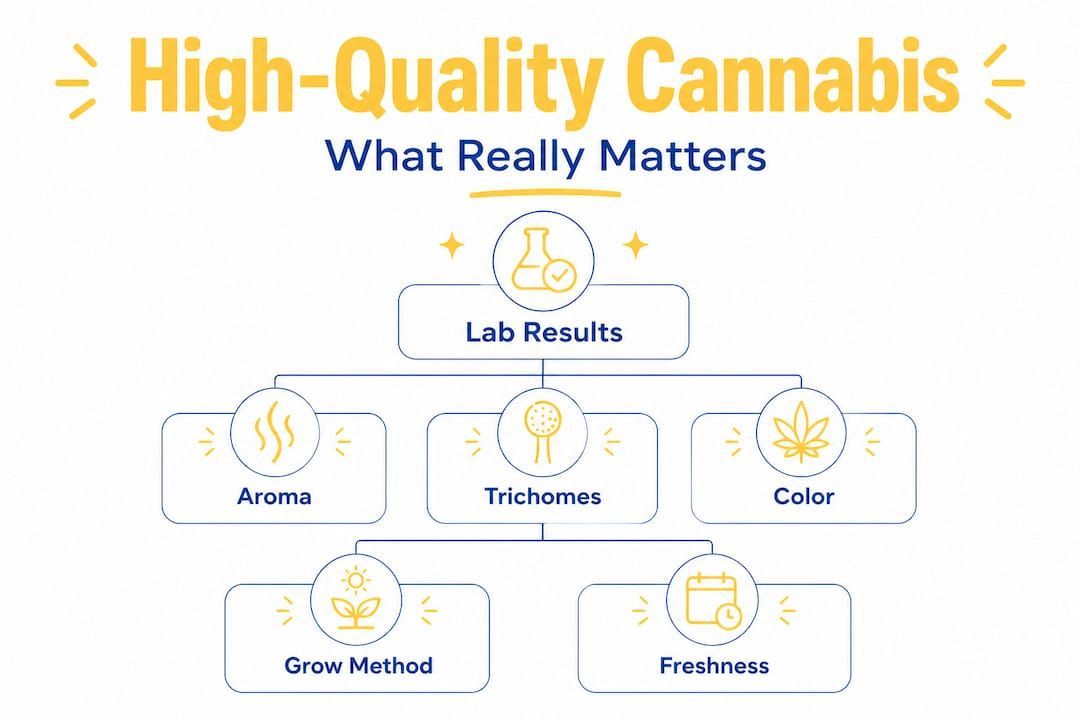
According to cannabis testing science, quality is determined by lab-verified chemical composition, including cannabinoid potency (Total THC typically ranging from 20 to 30%, calculated as THC + THCA x 0.877), terpene profile (premium products clock in at 2 to 4% total terpenes, with exceptional batches exceeding 3%), and total absence of contaminants like pesticides, heavy metals, microbes, and mold. Physical attributes round out the picture: dense trichome coverage, proper cure, vibrant color, springy buds with no seeds or mold, and a rich, layered aroma.
Here's what to look for when evaluating flower quality:
- Trichome density: A frosty, resinous appearance signals higher cannabinoid and terpene content
- Aroma: Fresh, complex, and potent smell indicates strong terpene preservation
- Bud structure: Springy, not crumbling or bone-dry; no seeds or mold visible
- Color: Vivid greens, deep purples, or vibrant oranges are signs of a proper cure and genetics
- Certificate of Analysis (COA): This batch-specific lab report is the gold standard for verifying everything above
"Flavor is a shortcut to quality. If the aroma is dull, flat, or hay-like, the terpenes have likely degraded and the experience won't match the price."
Understanding the cannabinoid content in your chosen strain helps you match the product to your experience goals, whether you're chasing relaxation, creativity, or pain relief.
How is cannabis quality verified in Portland?
Having established what constitutes quality, let's see how Portland's system ensures buyers get what they pay for.
Oregon operates one of the more rigorous cannabis regulatory frameworks in the country. Every product sold legally in Portland must pass mandatory testing before it ever hits a dispensary shelf or a delivery order. The system is built on two key pillars: third-party lab certification and seed-to-sale tracking.
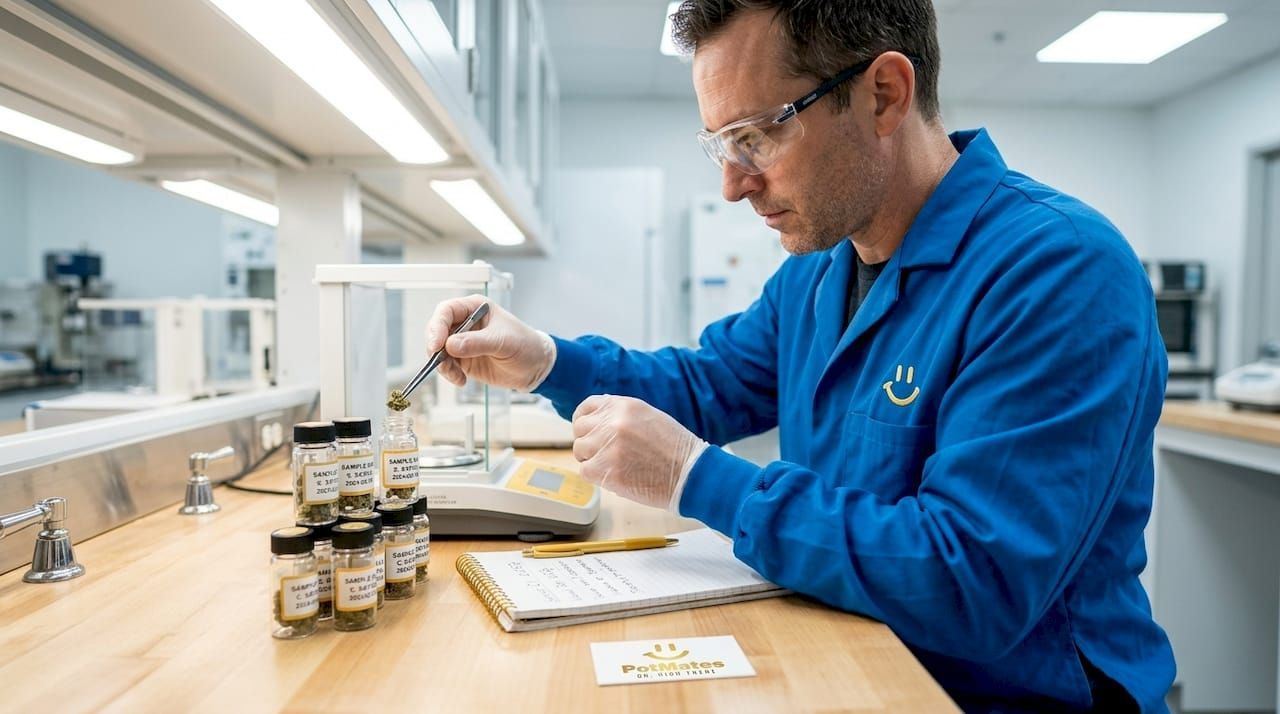
Oregon OLCC mandates that all cannabis be tested for potency, purity, and contaminants using ISO 17025 accredited labs. These labs use HPLC (High-Performance Liquid Chromatography) for cannabinoid analysis and GC-MS (Gas Chromatography-Mass Spectrometry) for terpene profiling. Every batch gets a COA with batch-specific results. METRC, the state's seed-to-sale tracking system, follows every plant from cultivation through processing and into the hands of consumers, creating a transparent chain of custody.
Here's how Portland buyers can verify cannabis quality step by step:
- Request the COA: Ask your dispensary or delivery service for the batch-specific Certificate of Analysis. Reputable sellers make this easy.
- Check potency numbers: Look at total THC and CBD content, not just the headline number on the package.
- Review the terpene panel: See what percentage of terpenes were measured and which ones are present.
- Scan for contaminants: Confirm that pesticides, heavy metals, and microbial results all show "pass."
- Note the batch date: Freshness matters. Older batches lose terpenes and potency over time.
Always cross-reference what you see on a label with an actual lab report. Our cannabis safety checklist walks you through what to verify before any purchase. And if you're curious about why the source of your flower matters, learn more about Oregon-grown cannabis and the local growing standards that give it an edge.
| Verification method | What it confirms | Accessibility |
|---|---|---|
| Certificate of Analysis (COA) | Potency, terpenes, contaminants | Ask dispensary or delivery service |
| METRC tracking | Chain of custody, legal sourcing | Embedded in Oregon licensing |
| OLCC license check | Grower and retailer compliance | Publicly searchable online |
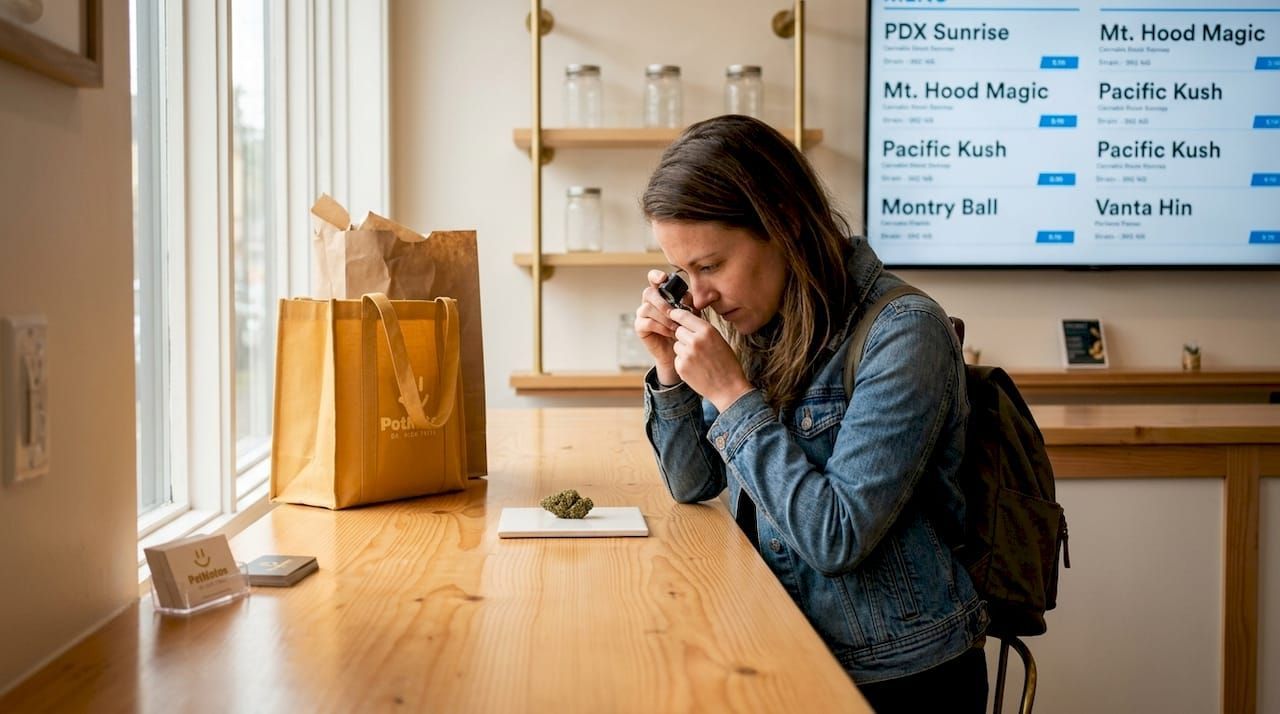
| Physical inspection | Cure quality, aroma, appearance | Done at point of purchase |
Benchmarks and pitfalls: What Portland buyers should watch for
So, what numbers and traits should you personally check when shopping? Here are the most relevant benchmarks and pitfalls Portland buyers need to know.
Let's get specific. Empirical benchmarks for premium flower include total terpenes at 1% or above (decent), 2.5% or above (excellent), water activity below 0.65 Aw (safe from mold), and THCA content in the 20 to 30% range for high-potency flower. Consistent batch profiles across multiple purchases from the same grower signal stable genetics and reliable cultivation practices.
Here's where it gets uncomfortable: THC overlabeling is common, with labs shopping for higher results inflating THC by 3 to 5%. Terpenes degrade by as much as 55% within just three months when stored improperly. Even "premium" popcorn buds can have similar chemistry to larger nugs but lack the density that signals true quality.
Key pitfalls to watch for when shopping in Portland:
- Sky-high THC claims with no COA to back it up: That 35% label might be wishful thinking
- No batch date on packaging: You can't assess freshness without knowing when it was harvested and packaged
- Weak or absent aroma: A flat smell is a clear sign of terpene loss, often from poor storage or age
- Missing contaminant test results on the COA: A quality COA shows passes for pesticides, heavy metals, and microbials
- Excessive trim or shake mixed in: Signals lower care in processing
Pro Tip: When browsing any online menu, filter for products with accessible COAs and prioritize growers that show consistent terpene percentages across multiple batches. That consistency is a sign of process quality, not just luck.
Proper storage is just as important after you've made your purchase. Check out our cannabis storage guide to protect your investment and preserve terpenes at home.
Advanced quality factors: Craft, effects, and sustainable choices
Once you've checked the basics, here's how expert and craft choices can take your cannabis experience to the next level.
Here's something the THC-first crowd often misses: terpenes predict effects better than THC alone. The entourage effect describes how cannabinoids and terpenes work together to shape your experience. Myrcene (earthy, musky) tends toward sedation and body relaxation. Limonene (bright citrus) lifts mood and energy. Pinene (fresh pine) supports focus and mental clarity. A flower with diverse, well-preserved terpenes delivers a far more nuanced and predictable experience than one chasing maximum THC.
The growing method matters too. Living soil grows consistently outperform hydroponic setups when it comes to terpene diversity. Soil introduces a complex microbiome that feeds the plant in ways that synthetic nutrient solutions simply can't replicate. Hand-trimming preserves trichomes that machine trimming knocks off. A proper cure, typically two to four weeks minimum, transforms the terpene profile and smooths out any harshness in the smoke or vapor.
What sets Oregon craft cannabis apart from mass-market product:
- Living soil cultivation: Richer terpene profiles and a more complex flavor experience
- Hand-trim finishing: Trichomes stay intact, preserving potency and aroma
- Small-batch processing: More attention per plant means fewer quality control misses
- Organic pest management: No synthetic pesticide residue that could show up on a COA
- Longer cure times: Better flavor, smoother smoke, and more stable cannabinoid profiles
Pro Tip: When you see "sun-grown" or "living soil" on Oregon product packaging, it's not just marketing language. These methods genuinely produce more diverse terpene profiles and more interesting effects. Pair that claim with a COA and you've got real evidence of quality.
Why Portland shoppers should ignore the THC hype (and what to demand instead)
Here's our honest take, and it's backed by the numbers. Portland consumers spend serious money chasing high-THC labels, but 75% of flower tested by the OLCC came in lower than what was printed on the package. That's not an occasional slip. That's a systemic issue across the market, and it means the number you're basing your purchase decision on is often unreliable.
What actually delivers consistent, satisfying experiences? Freshness, terpene integrity, and batch-specific lab verification. A craft Oregon flower sitting at 22% THC with a 3% terpene profile and a clean COA will outperform a flashy 32% THC product with degraded terpenes and no supporting lab documentation. Every time.
Portland has something other markets don't: a deep ecosystem of craft growers who genuinely care about quality beyond compliance. These producers exceed OLCC minimums not because they have to, but because their reputation depends on it. Knowing how to verify quality before you buy is the single most effective habit you can build as a Portland cannabis consumer. Demand the COA, check the terpene percentage, look at the batch date, and let your nose confirm what the numbers say.
Find premium-certified cannabis conveniently in Portland
Ready to put this knowledge to work? At PotMates, every product in our delivery menu comes from trusted Oregon growers with verifiable lab results and transparent sourcing. We've done the vetting so you don't have to guess.
Whether you're still figuring out how to choose a dispensary that meets your standards, or you're ready to explore the science behind what you're consuming, our cannabis science education hub is packed with resources to sharpen your knowledge. Our AI Budtender can match you with the right strain based on terpene profile and desired effects, not just potency. Browse our curated Portland menu today and get premium, lab-tested cannabis delivered discreetly to your door.
Frequently asked questions
What is a Certificate of Analysis (COA) and why does it matter for cannabis quality?
A COA is a batch-specific report from an ISO 17025 accredited lab that verifies cannabinoid potency, terpene content, and contaminant test results, giving you independent proof of what's actually in your cannabis.
How can I tell if the THC percentage on the label is accurate?
Always ask for the batch-specific COA, because OLCC testing consistently finds that the majority of flower products test lower than their labeled THC, making the official lab report your most reliable source of truth.
Why are terpenes important in cannabis quality?
Terpenes shape the flavor, aroma, and effects of your experience, and terpenes predict effects more reliably than THC alone through the entourage effect, where compounds work together rather than in isolation.
What are common pitfalls when shopping for cannabis in Portland?
The biggest traps are inflated THC labels, old batches with degraded terpenes (which degrade 55% in three months with poor storage), and products sold without accessible COAs. Always check the batch date and request the lab report.
Are craft growers and organic methods really better for cannabis quality?
Yes. Oregon craft producers routinely exceed OLCC minimum standards by using living soil, hand-trimming, and organic pest management, all of which contribute to richer terpene profiles and cleaner, safer final products.