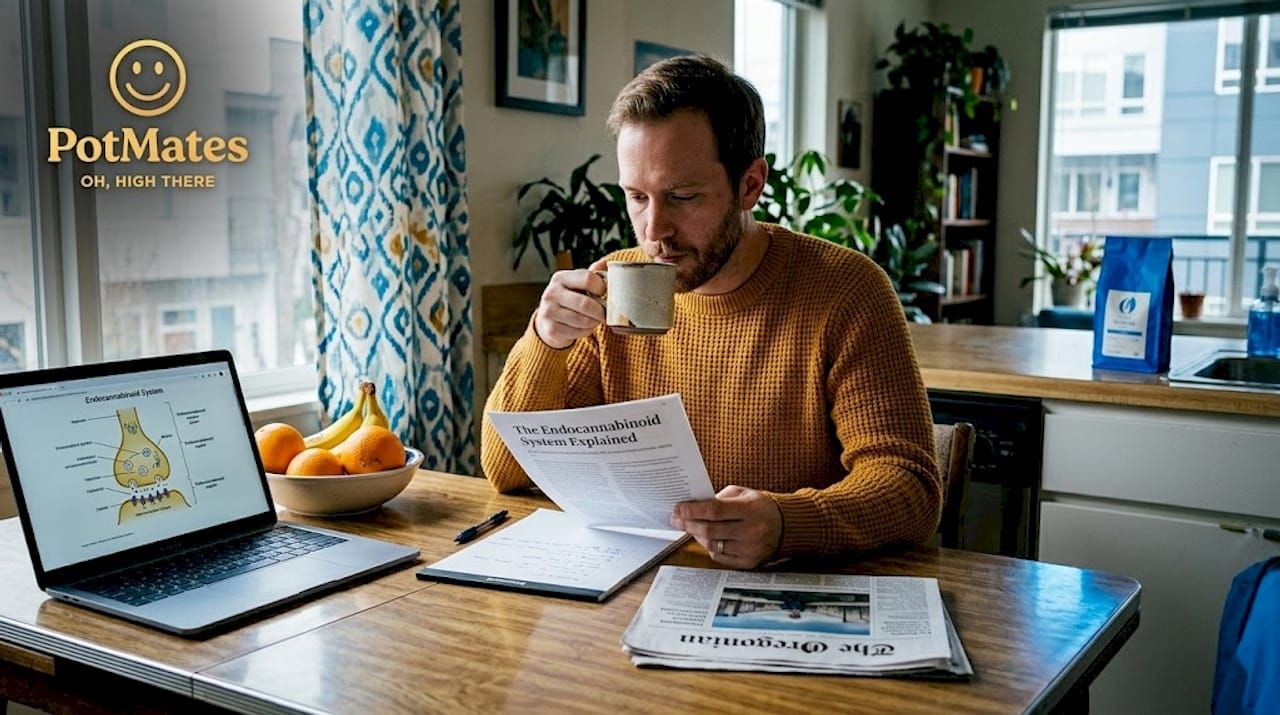

Cannabis wellness benefits: A practical guide for Portland adults
Portland's cannabis scene is thriving, and so is the confusion around it. Walk into any conversation about wellness right now and you'll hear cannabis pitched as a cure for everything from chronic pain to Monday morning stress. But how much of that is real, and how much is hype? For Portland adults looking to make smart, evidence-based decisions, sorting through the noise is genuinely tough. This guide breaks down what the science actually supports, what risks you need to know, and how to build a cannabis wellness routine that works for you.
Key Takeaways
| Point | Details |
|---|---|
| Most benefits are modest | Cannabis supports nausea, stress, and appetite best, but few claims are solidly proven for general wellness. |
| Microdosing is safer | Low-dose edibles or topicals lower risk of side effects for Portland adults, especially those under 25. |
| Risks aren't just a myth | High-THC and daily use can increase the chance of anxiety, dependency, or heart risk, so balance matters. |
| Local advice is key | Portland dispensaries can help you find safe, personalized cannabis wellness options that fit your goals. |
How cannabis works for wellness: The science
To navigate this rapidly evolving space, it's essential to understand how cannabis actually works inside your body.
Your body has a built-in system designed to maintain balance, called the endocannabinoid system (ECS) . Think of the ECS as your body's internal thermostat, constantly adjusting mood, sleep, pain response, and inflammation. Cannabis works because THC and CBD interact with ECS receptors , specifically CB1 receptors (concentrated in the brain and nervous system) and CB2 receptors (found in immune tissue), modulating pain, stress, and sleep through a process called retrograde signaling.
Here's where it gets interesting. Cannabis isn't just cannabinoids. Terpenes, the aromatic compounds that give each strain its distinct smell and flavor, also contribute to how you feel. Beta-caryophyllene, for example, acts as a CB2 receptor agonist , meaning it may directly reduce inflammation. Linalool (found in lavender-forward strains) has calming properties. Understanding terpene effects is one of the most underrated tools in your wellness toolkit.
The entourage effect is the idea that cannabinoids and terpenes work better together than in isolation, like a band that sounds better than any single musician. This is why whole-plant products often outperform isolated compounds in user experience.
| Compound | Primary receptor | Potential wellness effect |
|---|---|---|
| THC | CB1 | Pain relief, sleep, appetite |
| CBD | CB1/CB2 (indirect) | Inflammation, anxiety, nausea |
| Beta-caryophyllene | CB2 | Anti-inflammatory |
| Linalool | Multiple | Calming, stress relief |
"The entourage effect suggests that the full chemical profile of cannabis, not just THC or CBD alone, shapes the therapeutic outcome. But the science on exactly how terpenes contribute is still catching up." — Cannabis Research Journal
For Portland adults interested in cannabinoids and wellness , this framework helps you ask better questions when shopping: What's the terpene profile? What's the cannabinoid ratio? That's how you move from guessing to choosing with purpose.
Top five evidence-backed cannabis wellness benefits
With the basics of how cannabis operates in your body in mind, let's examine which wellness benefits actually stand up to scientific scrutiny.
Not all cannabis wellness claims are created equal. Some are backed by solid clinical data. Others are mostly anecdote and marketing. Here's a ranked breakdown:
-
Nausea and vomiting control. This is the strongest use case. FDA-approved cannabinoids like dronabinol show small to moderate benefits for chemotherapy-induced nausea (SMD -0.29) and appetite stimulation in HIV patients (SMD 0.57). If you're managing nausea from a medical condition, this is where cannabis has the most credible backing.
-
Appetite stimulation. Closely related to nausea control, cannabis is well-documented for stimulating appetite in people dealing with conditions that suppress it. For general "munchies" wellness claims, though, the evidence is much thinner.
-
Short-term quality of life improvements. Meta-analyses show small HRQL improvements (Cohen's d=0.30) with medical cannabis use, with observational studies showing slightly larger effects (d=0.43 to 0.74) depending on the condition. "HRQL" stands for health-related quality of life, a measure of how well you feel day to day.
-
Pain relief. Some evidence exists, particularly for neuropathic (nerve-related) pain, but results are condition-dependent and often modest. Cannabis is not a reliable replacement for evidence-based pain management without medical guidance.
-
Stress and sleep support. Evidence here is the weakest of the five. Some users report real benefits, but robust clinical studies are lacking. High-THC products in particular can disrupt sleep architecture over time.
| Benefit | Evidence strength | Best product type |
|---|---|---|
| Nausea control | Strong (clinical trials) | Capsules, tinctures |
| Appetite stimulation | Moderate | Edibles, flower |
| Quality of life | Moderate (observational) | Varies by condition |
| Pain relief | Mixed | Topicals, tinctures |
| Sleep/stress | Weak to moderate | Low-dose edibles |
Pro Tip: If you're new to cannabis wellness, start with the most studied use case that matches your need. Cannabis microdosing benefits are a great starting point for stress and recovery without overshooting your comfort zone.
Learning how to use effective edibles correctly also makes a significant difference in achieving consistent, predictable results.
Risks and considerations: What adults in Portland need to know
While the potential wellness benefits are enticing, it's just as important to know what risks come with cannabis, especially for younger adults.
Let's be direct: cannabis is not risk-free, and the risks are not evenly distributed. Research shows that high-potency THC significantly increases psychosis risk (12.4% vs. 7.1% in non-users), anxiety disorders (19.1% vs. 11.6%), and cannabis use disorder (CUD) in about 29% of medical users. Daily use also raises cardiovascular risk, with coronary heart disease rates of 2.0% vs. 0.9% in non-users.
If you're under 25, the stakes are higher. The brain is still developing until around age 25, and regular THC exposure during this window is linked to neurocognitive changes that can affect memory, attention, and emotional regulation.
Key risk factors to be aware of:
- High-THC products (above 20%) carry the most risk for mental health effects
- Daily or near-daily use increases dependency risk substantially
- Pre-existing psychiatric conditions (anxiety, depression, psychosis history) can be worsened by THC
- Cardiovascular conditions warrant extra caution with frequent use
- Under-25 users face the highest risk for lasting neurocognitive impact
"The relationship between cannabis and mental health is dose-dependent and highly individual. What feels manageable at low doses can become destabilizing at high doses, especially for people with a family history of psychosis or mood disorders."
For guidance on safe cannabis consumption , the core principle is simple: lower THC, lower frequency, and honest self-monitoring. If you're exploring recreational cannabis for the first time, starting slow is not just advice, it's genuinely protective.
Pro Tip: If you have any history of anxiety, heart conditions, or are under 25, talk to a doctor before starting a cannabis wellness routine. A medical card also opens up supervised use options that provide more structured guidance.
Local Portland best practices: Making cannabis work for you
Understanding the risks leads to smarter choices. Here's how Portlanders are making the most of cannabis in everyday wellness.
Portland's cannabis culture is sophisticated. Local dispensaries here don't just sell product; they educate. Local dispensaries promote microdosing and fitness integration as the most practical entry points for wellness-focused adults, with medical cards recommended for anyone under 25 seeking supervised use.
Here's a practical framework for building your routine:
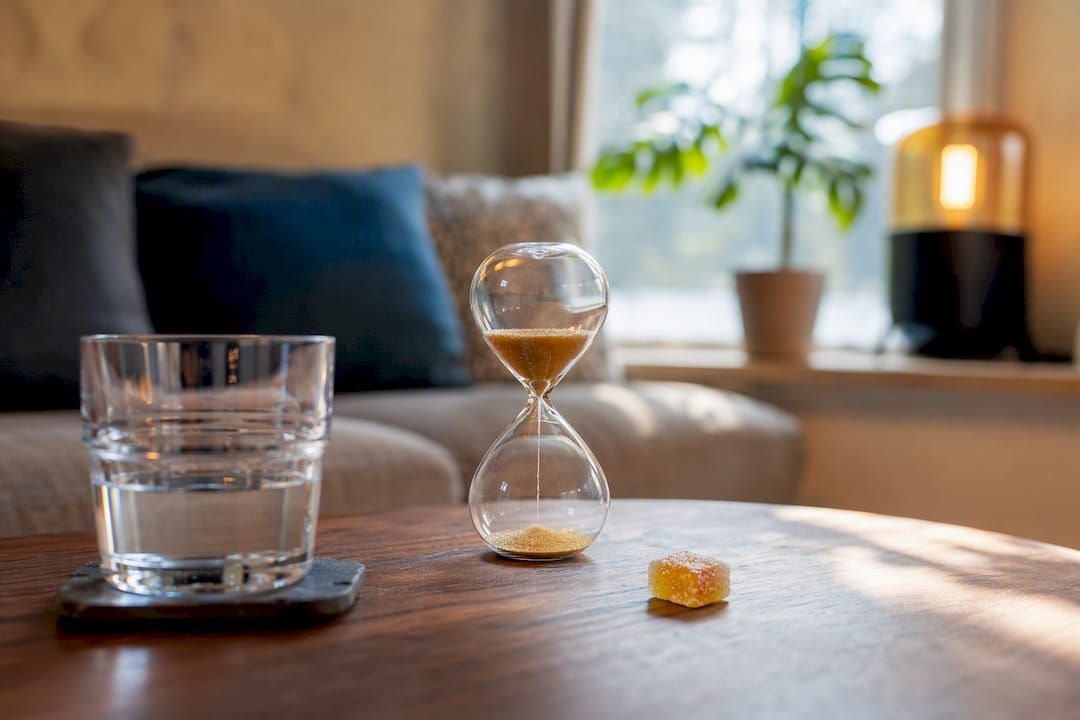
- Start low, go slow. Begin with 2.5 to 5mg of THC in edible form. This gives you a controlled, measurable starting point without overwhelming your system.
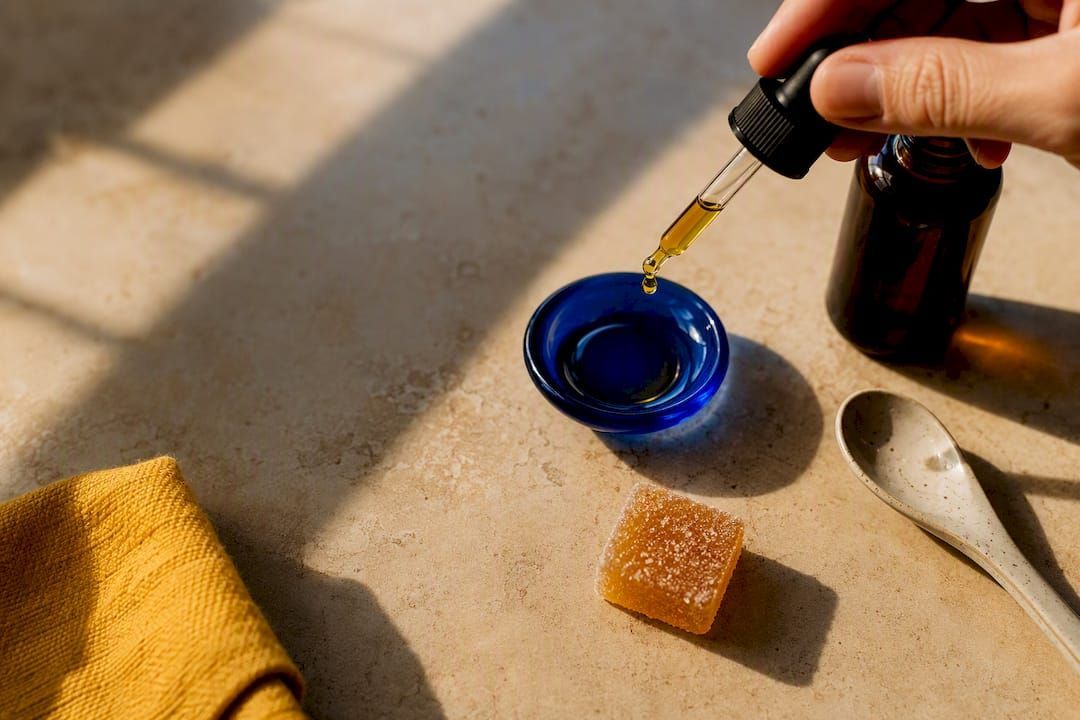
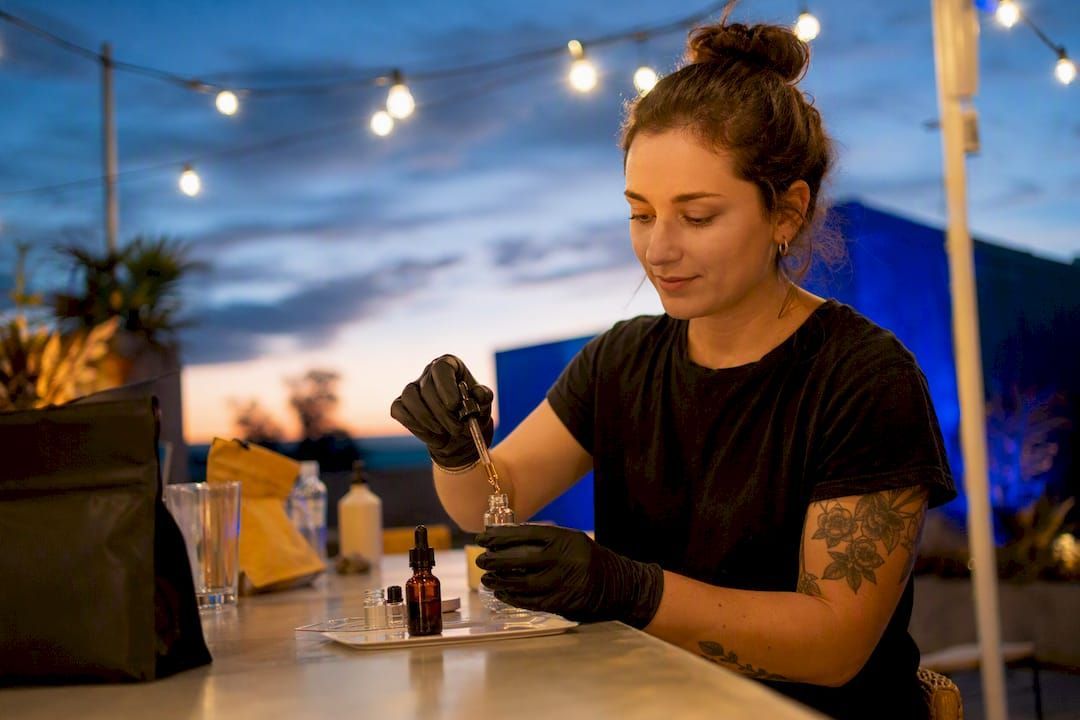
- Choose the right format. Topicals work well for localized pain or inflammation without psychoactive effects. Edibles offer sustained, full-body effects. Vapes and flower are faster-acting but harder to dose precisely.
- Microdose for daily wellness. Microdosing, typically 1 to 5mg of THC, can support stress relief and recovery without impairing function. Explore best practices for microdosing to dial in your approach.
- Stack with other wellness habits. Cannabis works best as a complement, not a replacement. Pair it with exercise, mindfulness, or quality sleep hygiene for compounding benefits.
- Stay curious about the future. Product innovation in Portland is moving fast. The future of cannabis edibles includes nano-emulsified formats with faster onset and more predictable dosing.
Quick checklist for Portland wellness users:
- Know your product's THC:CBD ratio before you consume
- Track your doses and effects in a simple journal
- Avoid combining with alcohol, especially early on
- Reassess every few weeks to see if your goals are being met
- Consult a dispensary budtender for product-specific guidance
The uncomfortable truth about cannabis and wellness claims
Before you decide how to work cannabis into your wellness plan, let's cut through the noise with a reality check.
Here's something most cannabis content won't tell you: the wellness industry has outrun the science by a wide margin. Many of the claims you see online, from "cures anxiety" to "fixes your sleep," are based on anecdote and early-stage research, not the kind of rigorous clinical trials that actually prove something works. Proponents cite ECS modulation and the entourage effect as evidence for broad holistic benefits, but skeptics at JAMA and UCLA point out that robust randomized controlled trials (RCTs) are still insufficient, and the risks of high-potency use, especially CUD, cardiovascular effects, and psychosis, are real and underreported.
Our take? The biggest wins for Portland adults come from purpose-driven, low-dose use, not chasing a miracle strain. Knowing what you want from cannabis, and choosing products that match that goal, matters far more than any hype cycle. And honest conversations with knowledgeable dispensaries will always beat a Reddit thread. For deeper reading, check out cannabis health science to stay grounded in what the research actually says.
Discover trusted cannabis wellness options in Portland
Ready to take your next step toward mindful, informed cannabis wellness?
At PotMates, we've built our product selection around exactly this kind of evidence-aware, Portland-specific approach. Whether you're exploring smoke-free wellness options like tinctures and capsules, or browsing our full range of topical cannabis products for targeted relief, we carry products from trusted Oregon growers with transparent lab testing. You can also learn about medicinal cannabis through our educational resources before you buy. Fast, discreet delivery means you get premium quality without the guesswork.
START DELIVERY HERE and let our AI Budtender help you find the right product for your wellness goals.
Frequently asked questions
What are the safest ways to use cannabis for wellness?
Start with low-dose edibles or topicals and avoid high-THC products, especially if you're under 25 or new to cannabis. Local dispensaries recommend microdosing and medical supervision for the most controlled, wellness-focused experience.
Does cannabis really help with anxiety or sleep?
Evidence for cannabis improving anxiety or sleep is currently weak, with insufficient clinical data supporting broad use for insomnia or anxiety disorders. Individual responses vary widely, and some users may find short-term relief while others experience worsening symptoms.
Are there risks to regular cannabis use for adults under 40?
Yes, particularly for those under 25. High-potency THC use is linked to elevated psychosis risk, anxiety disorders, cannabis use disorder, and cardiovascular concerns with daily consumption.
How can Portlanders get personalized cannabis wellness advice?
Consult a licensed Portland dispensary for product-specific guidance on dosing, cannabinoid ratios, and formats that match your wellness goals. Local dispensaries are increasingly equipped to support evidence-informed, personalized recommendations.