How to Optimize Home Cannabis Use for Better Results

May 31, 2026

How to Optimize Home Cannabis Use for Better Results

Optimizing home cannabis use means applying deliberate strategies around dosing, storage, product selection, and tolerance management to get consistent, enjoyable results every time. The difference between a frustrating experience and a genuinely relaxing one usually comes down to a few practical habits. The Rhode Island Department of Health , Health Canada, and the Mayo Clinic all point to the same core principle: lower-risk cannabis use is about pacing, preparation, and knowing your product. Whether you're after deep relaxation, better sleep, or just a more predictable recreational session, this guide gives you the tools to make it happen.

How to optimize home cannabis use through safe dosing and pacing

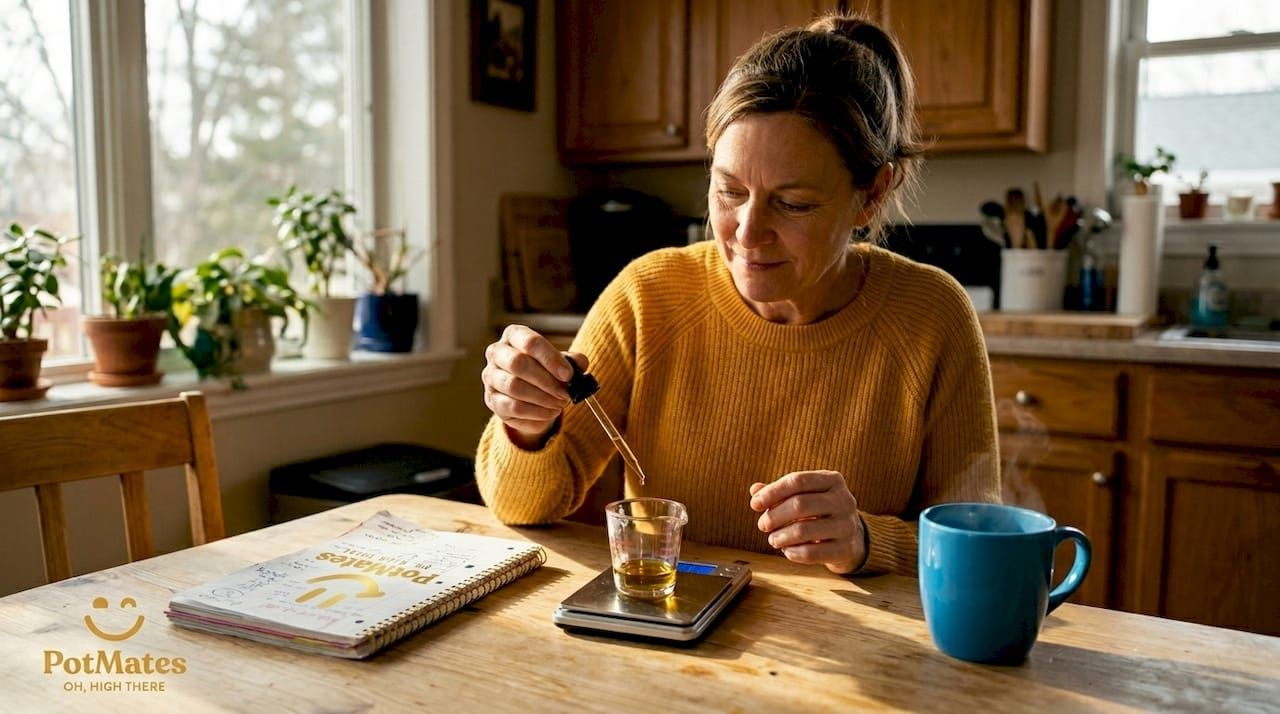
Safe dosing is the single most impactful variable in your home cannabis experience. The Rhode Island Department of Health recommends starting with a small amount and waiting before taking more, especially when trying a new product or potency. This "start low, go slow" approach prevents the most common home-use mistake: overconsumption from impatience.

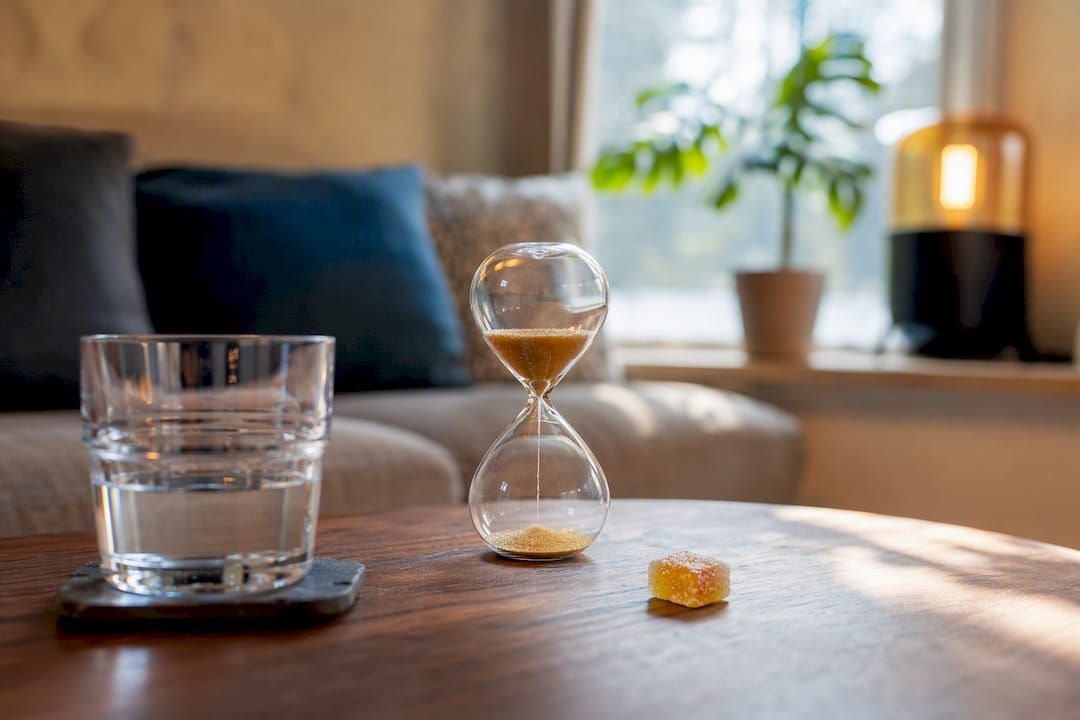
Edibles deserve special attention here. Edibles can take 30 to 120 minutes to kick in and effects can last up to 12 hours. That delayed onset is why so many people re-dose too early and end up far more intoxicated than intended.

Here's a practical dosing sequence to follow at home:

  1. Start with the lowest available dose (2.5 to 5mg THC for edibles, one small inhalation for flower).
  2. Wait at least 90 minutes before assessing the effect of an edible.
  3. Record how you feel at the 60, 90, and 120-minute marks.
  4. Only increase your dose on a separate session, not the same one.
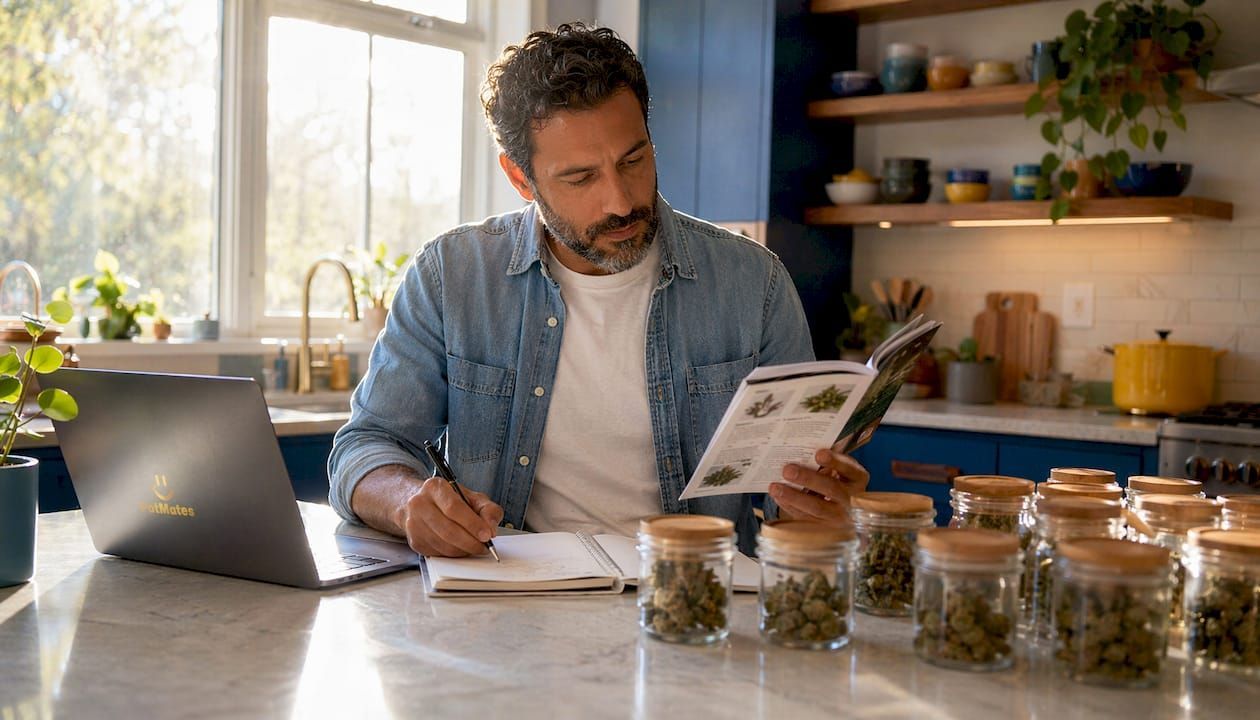
  5. Keep a simple notes app log of dose, product, and effect so you can repeat what works.

Pro Tip: Treat every edible session like a timed experiment. Your goal on session one is information, not intensity. The data you collect makes every future session better.

Dose stacking is the technical term for taking a second dose before the first has fully activated. It's the fastest route to an uncomfortable experience and the most preventable one. Patience is genuinely the skill here.

What are the best storage practices to keep cannabis fresh and potent?

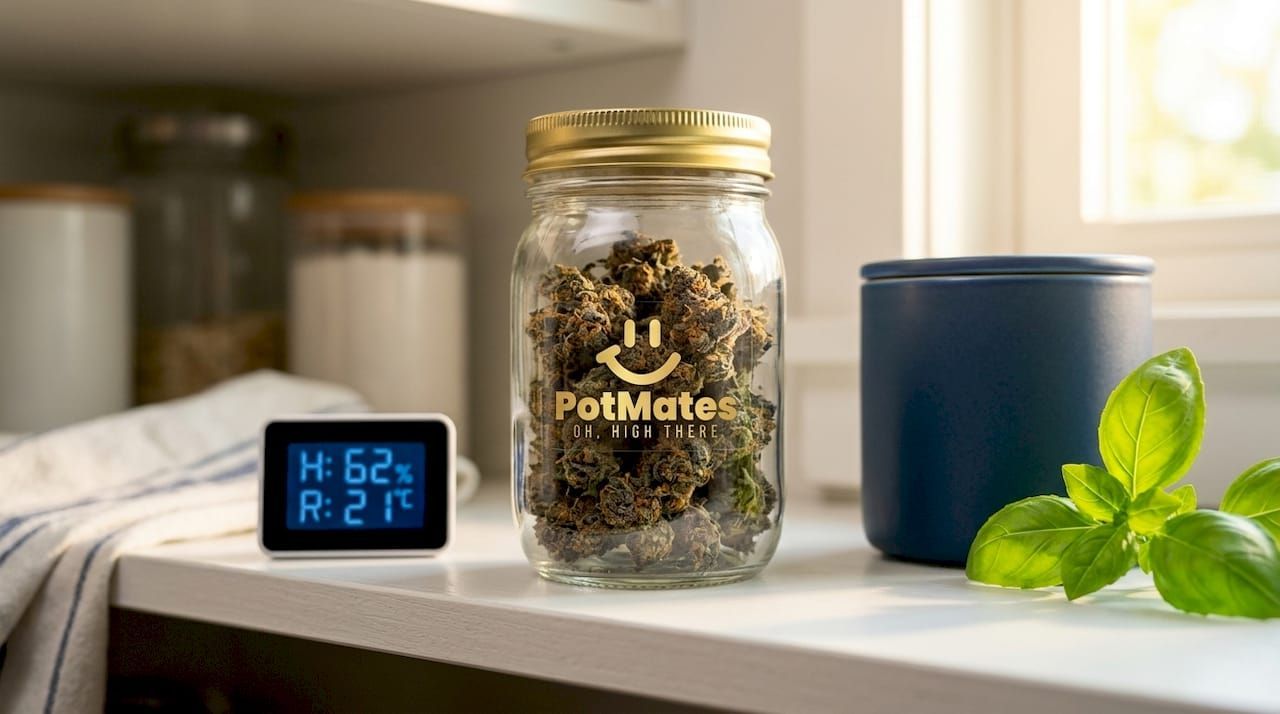
Proper storage is one of the most overlooked best practices for home cannabis use. Cannabis stored at temperatures above 25°C or outside the 55 to 65% relative humidity range degrades faster, losing both potency and flavor. Medical cannabis flower can lose roughly 7 to 9% of its THC over three months even under reasonable conditions. Poor storage accelerates that loss significantly.

Light and oxygen are the two biggest enemies of cannabis quality. UV exposure breaks down cannabinoids, and oxygen exposure dries out trichomes and degrades terpenes. That fresh pine or citrus-candy aroma you love in a top-shelf strain? It disappears fast when storage is careless.

Here's what to do and what to avoid:

  • Do store cannabis in an airtight, opaque glass jar in a cool, dark location like a cabinet or drawer.
  • Do use a small humidity pack (Boveda 62% is a widely used option) inside your storage container.
  • Do keep flower away from heat sources like stoves, electronics, or windowsills.
  • Don't store cannabis in plastic bags. They create static that strips trichomes and don't seal out oxygen effectively.
  • Don't refrigerate cannabis flower. Temperature fluctuations from opening and closing the fridge cause condensation that promotes mold.
  • Don't mix strains in the same container. Their terpene profiles interact and both degrade faster.

For a deeper breakdown of storage conditions by product type, the Potmates storage guide covers flower, edibles, and concentrates in detail.

Which consumption methods work best for wellness-focused home users?

The method you choose shapes your entire experience, including onset time, duration, intensity, and long-term health impact. Health Canada notes that non-inhalable products like oils, capsules, and edibles carry a lower risk of dependence than smoked or vaped cannabis. For home users focused on relaxation or wellness, that distinction matters.

Smoking and vaping deliver fast onset (within minutes) and easy dose control, but cannabis smoke contains toxins similar to tobacco. Inhaling deeply or holding smoke in the lungs increases respiratory risk without meaningfully increasing effect. If you prefer inhalation, shallow draws and immediate exhale reduce harm.

Edibles, oils, and capsules take longer to activate but produce longer-lasting, body-centered effects that many wellness users prefer for sleep or chronic discomfort. Topicals are non-intoxicating and work locally, making them a practical option for muscle soreness without any psychoactive effect. The tradeoff with non-inhalables is that precise dosing requires more patience and experimentation upfront.

For home users who want the benefits without the respiratory concerns, the best non-smoking cannabis products curated by Potmates offer a strong starting point. The edibles guide from Potmates also walks through timing and dosing strategies specific to 2025 products.

How can managing tolerance and planned breaks improve your results?

Tolerance is what happens when your endocannabinoid system adapts to regular THC exposure and requires more to produce the same effect. Daily or near-daily cannabis use can impair memory and mental health over time, and it significantly reduces the value you get from each session. Maximizing cannabis effectiveness at home means treating tolerance as a variable you actively manage, not a side effect you accept.

The University of Colorado and the Rhode Island Department of Health both recommend tolerance breaks of 1 to 2 weeks minimum, with 21 days producing more substantial resets. The key detail most people miss: when you return from a break, your previous dose will feel much stronger. Resuming previous dosages after a break often causes uncomfortable effects. Start at half your pre-break dose and work back up slowly.

Warning signs that a break is overdue include needing significantly more product to feel anything, using cannabis out of habit rather than intention, or experiencing irritability and poor sleep when you skip a day. The Mayo Clinic notes that cannabis can be habit-forming, with withdrawal symptoms including insomnia and mood changes. Recognizing those signs early gives you the most control.

Pro Tip: Schedule your next tolerance break before you need one. Pick a low-stress week on your calendar now. Proactive breaks feel like a reset. Reactive ones feel like a struggle.

Research from the Recovery Research Institute found that reducing cannabis use by 75% in amount and 50% in days used led to meaningful improvements in sleep and overall wellbeing. You don't have to quit to benefit from cutting back.

Key takeaways

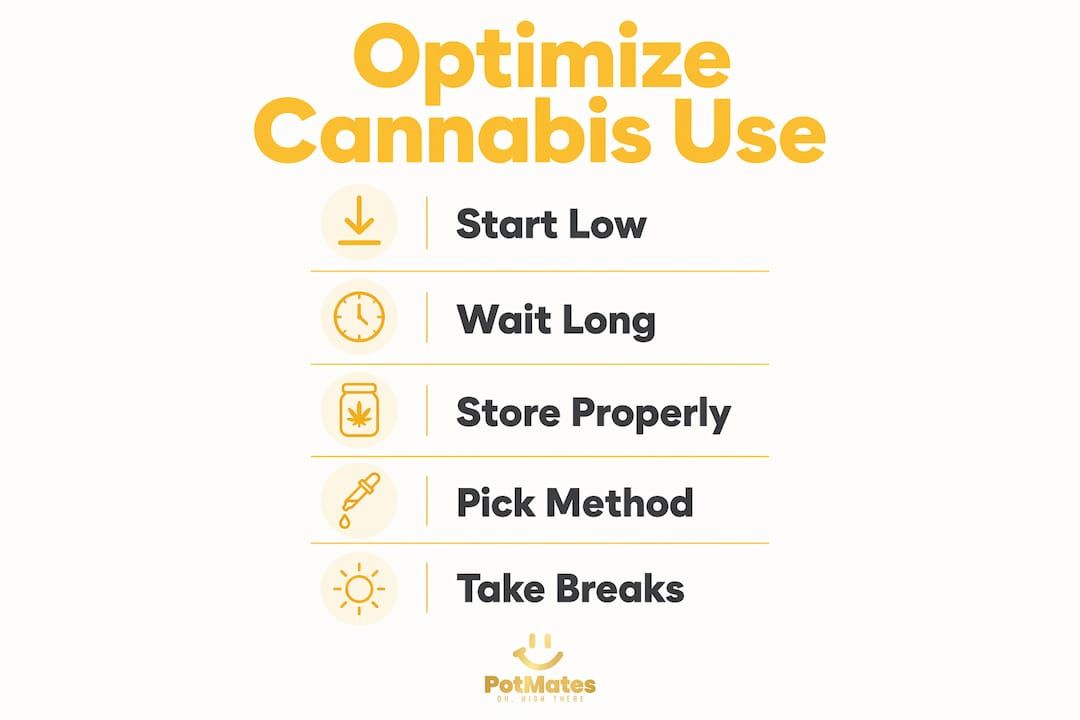
Optimizing home cannabis use requires four consistent habits: controlled dosing, proper storage, method selection aligned with your goals, and proactive tolerance management.

Point Details
Start low, go slow Begin with the smallest dose and wait 90+ minutes before assessing edible effects.
Store in cool, dark, airtight conditions Keep cannabis at or below 25°C in a sealed glass jar with a humidity pack to preserve potency.
Match method to your goal Non-inhalable products like oils and edibles reduce dependence risk and suit wellness-focused use.
Plan tolerance breaks proactively Schedule 1 to 3 week breaks before tolerance builds, and restart at half your previous dose.
Log your sessions Tracking dose, product, and effect turns trial and error into a repeatable, enjoyable routine.

What I've learned from watching home users get this wrong

The most common mistake I see is treating cannabis like a product that works the same every time regardless of how you use it. It doesn't. The same strain from the same grower can feel completely different depending on your dose, your storage, your tolerance level, and whether you've eaten recently. Home use rewards people who pay attention and punishes those who don't.

Edibles are where I see the most frustration. Someone tries a 10mg gummy, feels nothing after 45 minutes, takes another, and then two hours later they're overwhelmed and swearing off edibles forever. The product wasn't the problem. The timing was. Patience with edibles isn't just advice. It's the entire strategy.

Storage is the other place where people quietly lose money and quality. A premium Oregon-grown flower stored in a plastic bag on a sunny counter loses its terpene profile within days. That layered aroma and smooth smoke you paid for disappears. A glass jar in a dark cabinet costs nothing extra and preserves everything you bought.

The last thing I'd stress is communication in shared home settings. If you're consuming with others, talk about dosing expectations openly. Peer pressure to "keep up" is one of the most reliable paths to overconsumption. Your ideal dose is yours. Protect it.

— Hammond

Get the right products delivered to your door with Potmates

Potmates makes it easy to put these strategies into practice with a curated selection of premium Oregon-grown cannabis products delivered directly to your door in Portland. Whether you're exploring non-smoking options like edibles, oils, and capsules for a wellness-focused routine, or looking for low-THC flower to practice mindful dosing, the Potmates menu is built around quality and predictability. The AI Budtender feature helps you match products to your specific goals, from sleep support to relaxation. Browse the full menu, apply discounts, and schedule discreet delivery on your schedule.

FAQ

How long should I wait after taking an edible before re-dosing?

Wait at least 90 to 120 minutes before considering a second dose. Edibles can take up to two hours to fully activate, and re-dosing too early is the leading cause of overconsumption at home.

What is the ideal storage temperature for cannabis flower?

Store cannabis flower at or below 25°C (77°F) with 55 to 65% relative humidity in an airtight, opaque container. These conditions slow THC degradation and preserve terpene quality for months.

How long should a cannabis tolerance break last?

A minimum of 1 to 2 weeks is recommended, with 21 days producing a more complete reset. When you return, start at half your previous dose to avoid an unexpectedly strong reaction.

Are edibles safer than smoking for home use?

Health Canada identifies non-inhalable products like edibles and oils as carrying lower dependence risk than smoked cannabis. They also eliminate respiratory exposure to combustion byproducts, making them a better fit for wellness-focused home users.

What are the signs that I need a tolerance break?

Key signs include needing more product to feel the same effect, using cannabis out of habit rather than intention, and experiencing irritability or poor sleep when you skip a session. The Mayo Clinic identifies these as early indicators of cannabis dependence risk.

Recommended

May 21, 2026
Unlock the full potential of your cannabis choices with our cannabis strain library guide. Understand terpenes and make informed selections!
May 20, 2026
Discover how to maximize cannabis effects in Portland with our expert guide. Learn consumption tips for a better, more satisfying experience.
May 19, 2026
Discover what home cannabis experiences really mean! Explore unique ways to enjoy cannabis at home, from relaxation to social gatherings.
May 18, 2026
Discover the ultimate cannabis flower types list in our 2026 Strain Guide. Learn what sets each strain apart for smarter selections!
May 17, 2026
Discover what cannabis consumption really means in our 2026 guide. Learn about different methods, effects, and how to optimize your experience.
May 16, 2026
Curious about what are cannabis discounts? Discover how Portland shoppers can save money on dispensary deals with our comprehensive guide.
May 15, 2026
Discover what cannabis flower is and how to choose quality products in Portland. Your ultimate guide to an enriched cannabis experience.
May 14, 2026
Discover what cannabis e-commerce is and how it ensures safe, legal online purchasing in Portland. Learn the ins and outs today!
May 13, 2026
Discover how to maximize cannabis effects in Portland with our expert guide. Learn consumption tips for a better, more satisfying experience.
May 12, 2026
Confused about recreational vs medicinal cannabis? Discover how to choose the right path for your wellness in Portland with our expert guide.
Show More