
Understanding Cannabis Sativa: What You Need to Know
If you've ever walked into a dispensary and picked a product just because it said "sativa" on the label, you're not alone. Most people assume that word guarantees a specific experience. But the sativa label is primarily commercial shorthand, not a reliable predictor of effects. The real story is more nuanced, and understanding it will change how you shop, what you expect, and how much you actually enjoy what you bring home.
Key Takeaways
| Point | Details |
|---|---|
| Sativa is a plant type | Cannabis sativa is a widely cultivated species with a long history and broad genetic diversity. |
| Labels aren't everything | Sativa and indica categories offer limited insight; product effects come down to chemistry. |
| Cannabinoids and terpenes matter | THC, CBD, and terpene profiles drive the real-world experience more than strain names. |
| Use responsibly | Potency, dose, and personal factors shape risks and benefits of any cannabis product. |
| Check results, not just brands | Batch lab testing and consumer self-awareness are key to finding the best cannabis sativa fit for you. |
What is cannabis sativa?
To understand why the label matters, let's define what cannabis sativa actually is.
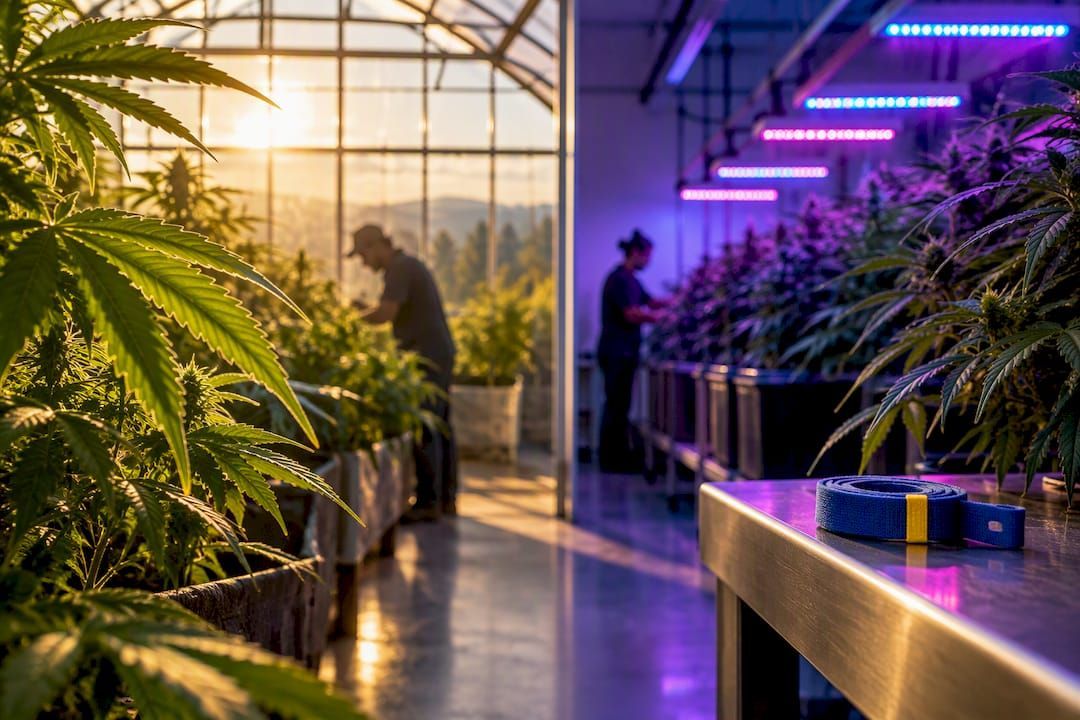
Cannabis sativa is one of the most historically significant plants on earth. Classified as an annual flowering herb in the genus Cannabis and the family Cannabaceae, it has Eurasian origins and a long, intertwined relationship with human civilization. People have cultivated it for thousands of years, using it for fiber, food, medicine, and ritual. The hemp varieties of cannabis sativa were foundational to early textile industries. Medicinal uses appear in ancient Chinese, Indian, and Middle Eastern records going back millennia.
Cannabis sativa has been cultivated by humans for so long that separating its "wild" genetics from its domesticated ones is nearly impossible. It is one of the oldest cultivated plants on record.
From a scientific standpoint, the picture is more complex than a single tidy label. Botanists and researchers generally treat cannabis as a single species with significant genetic diversity, expressed through subspecies and chemotypes (chemical varieties). The science behind cannabis strains shows that what we call "sativa" in a dispensary is not a precise botanical category. It's a market term that loosely maps to certain plant growth patterns and perceived effects.
Here's what the term "cannabis sativa" can refer to in different contexts:
- Scientific use: The species name for the cannabis plant broadly, including hemp and drug-type varieties
- Market use: A commercial label meant to suggest energizing, cerebral, or uplifting effects
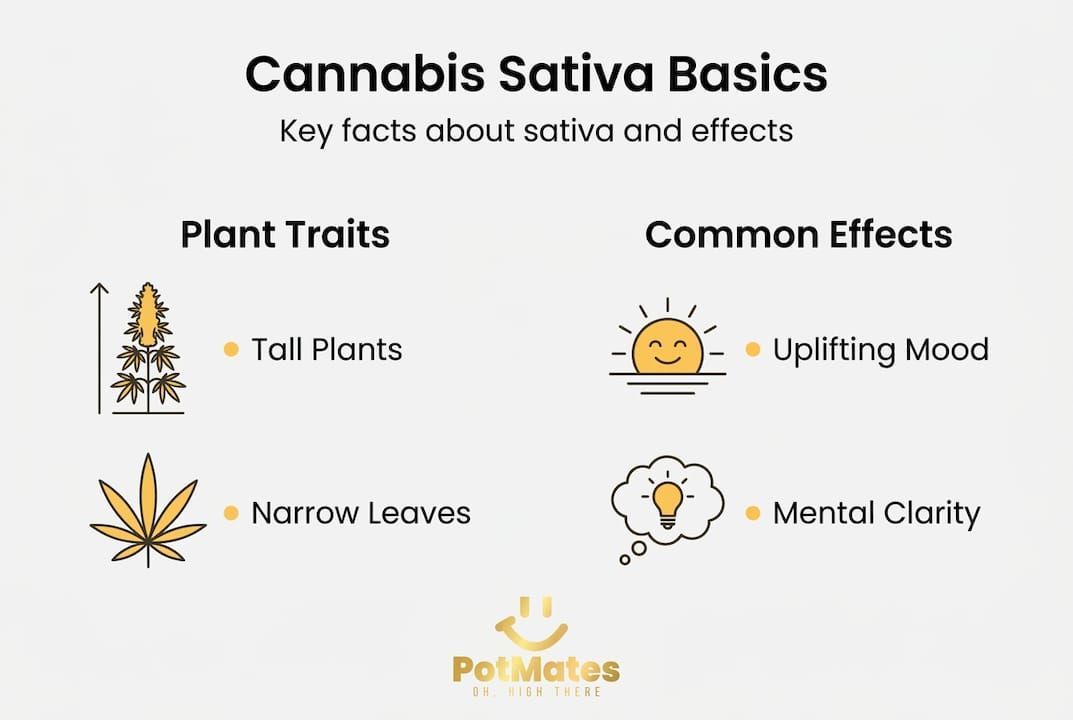
- Botanical use: A tall, narrow-leafed plant type historically associated with equatorial regions
- Legal use: In Oregon and most U.S. states, cannabis sativa refers to the psychoactive plant regulated for adult use
Knowing which definition is being used at any given moment is actually the first step to smarter shopping.
Sativa vs. indica: Market myths and scientific reality
With a definition in hand, it's time to clear up a common consumer confusion about sativa and indica.
The sativa/indica split has been a retail staple for decades. Walk into almost any dispensary and you'll see products sorted into three buckets: sativa, indica, and hybrid. It's intuitive. Sativa means energizing, indica means relaxing, hybrid means somewhere in between. Clean, simple, easy to remember.
The problem? It's not scientifically accurate. Genetics and chemistry overlap heavily across these labels, meaning a product labeled "sativa" can have a cannabinoid and terpene profile nearly identical to something labeled "indica." The sativa vs indica distinction does not reliably predict effects on its own.
| Feature | Market "sativa" | Market "indica" | Scientific reality |
|---|---|---|---|
| Predicted effect | Energizing, cerebral | Relaxing, body-heavy | Not reliably predicted by label |
| Plant type | Tall, narrow leaves | Short, broad leaves | Heavily crossbred; hard to distinguish |
| Chemistry | Assumed stimulating | Assumed sedating | Determined by cannabinoids and terpenes |
| Reliability | Low to moderate | Low to moderate | Lab results are far more reliable |
The origin of this split is more historical than scientific. The terms were popularized in the cannabis market to give consumers a quick shortcut. And while that shortcut is convenient, it can lead you to buy something that doesn't match your expectations at all.
Pro Tip: Instead of relying on the sativa/indica label alone, try rethinking sativa vs indica and shopping by mood or desired effect. Then back that up with actual lab data on the product.
The better approach is to treat the sativa label as a rough starting point, then dig into the specifics. When you're choosing a cannabis strain , the cannabinoid and terpene profile will tell you far more than any category name.
Cannabinoids, terpenes, and the real drivers of effects
Once you see that labels are limited, the focus shifts to the true drivers of your cannabis experience.
The two most well-known cannabinoids are THC (tetrahydrocannabinol) and CBD (cannabidiol). THC is the primary psychoactive compound, responsible for the "high" feeling. CBD is non-intoxicating and often associated with calming or anti-anxiety effects. But those two are just the beginning. Minor cannabinoids like CBG, CBN, and THCV also play roles in shaping your experience, even at lower concentrations.
Cannabinoid and terpene profiles are the practical drivers of what a product actually does. Strain categories are a rough starting point at best.
Terpenes are aromatic compounds found in cannabis and many other plants. They give each strain its distinct smell and flavor, whether that's bright citrus, earthy pine, sweet berries, or fuel-like skunk. But they do more than smell good. Terpenes interact with cannabinoids and your body's endocannabinoid system to shape the overall experience. This is called the entourage effect : the idea that cannabis compounds work better together than in isolation.
Here are some common terpenes and what they're associated with:
- Limonene: Citrusy, often linked to elevated mood and stress relief
- Myrcene: Earthy and musky, frequently associated with relaxing effects
- Pinene: Fresh pine scent, may support alertness and memory
- Caryophyllene: Spicy and peppery, the only terpene that also binds to cannabinoid receptors
- Linalool: Floral and lavender-like, often connected to calming effects
You can explore terpenes in Oregon cannabis to see how local growers are producing some genuinely complex, terpene-rich flower right now.
| Cannabinoid | Primary role | Common effects |
|---|---|---|
| THC | Psychoactive | Euphoria, relaxation, appetite stimulation |
| CBD | Non-intoxicating | Calm, reduced anxiety, anti-inflammatory |
| CBG | Minor cannabinoid | Focus, potential anti-anxiety |
| CBN | Mildly psychoactive | Sedation, sleep support |
Pro Tip: When you're browsing products, check the guide to cannabinoid content to understand what ratios and concentrations actually mean for your experience. A high-THC product with calming terpenes can feel very different from one with the same THC level but energizing terpenes. And why smell matters goes deeper than you might expect.
Benefits, risks, and safe use of cannabis sativa
Appreciating the science helps you use cannabis sativa thoughtfully, so it's vital to weigh benefits against risks.
Cannabis sativa products, when chosen wisely and used responsibly, can support a range of wellness and lifestyle goals. Many Portland consumers turn to sativa-leaning products for:
- Creative focus: Some terpene-rich sativa products are genuinely energizing and can support creative work or brainstorming sessions
- Social ease: Lower-dose options can reduce social anxiety and make gatherings more enjoyable
- Mood elevation: Products with limonene and pinene terpenes are often described as uplifting
- Daytime relaxation: Not all relaxation requires a sedating indica; some sativa products offer calm without couch lock
- Stress relief: CBD-forward sativa products can ease tension without a heavy psychoactive effect
That said, recreational cannabis carries real risks , and those risks scale with potency, frequency of use, and individual biology. High-THC products can trigger anxiety, paranoia, or disorientation in some users, especially those new to cannabis or sensitive to THC. Heavy, frequent use is associated with increased risk of dependence and cognitive effects over time.
The safest approach is always to start low and go slow, especially with a new product or a new consumption method. Your tolerance, body chemistry, and mindset all affect the outcome.
Evidence-based harm reduction consistently recommends a few key practices:
- Avoid mixing cannabis with alcohol or other CNS depressants
- Never drive or operate machinery after use
- Choose products with known, tested cannabinoid and terpene profiles
- Take breaks to assess your tolerance over time
For deeper reading on how cannabis affects your body and wellness, the cannabis health insights section covers the science in plain language.
Why understanding labels isn't enough: Making cannabis sativa work for you
Here's the perspective we've developed after watching how people actually shop for cannabis: knowing that "sativa" is a limited label is useful, but it's only the beginning. The real skill is learning to read a product's actual data.
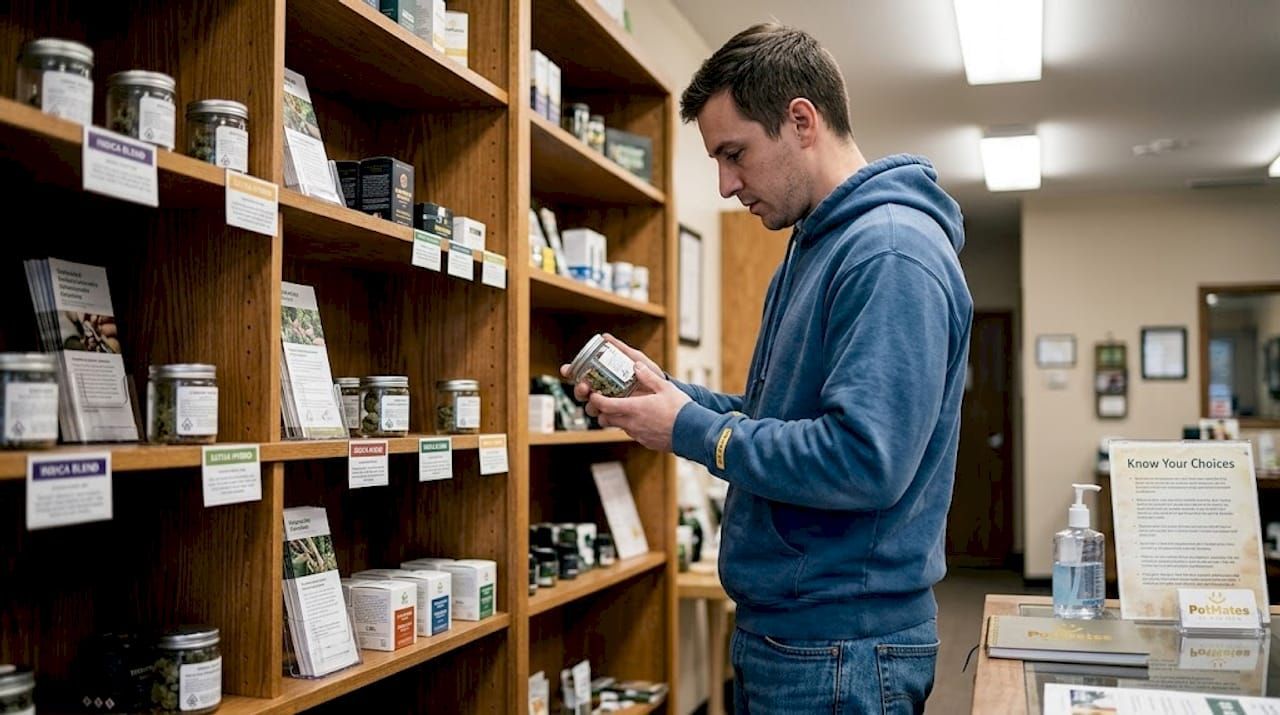
Potency and cannabinoid profiles are not guaranteed by the label. Natural variability between harvests and batches means the number on the package is an estimate, not a promise. That's why checking a Certificate of Analysis (COA) from a third-party lab matters. It gives you batch-specific data on THC, CBD, and terpene levels.
Beyond lab data, keeping a personal journal of your cannabis experiences is one of the most underrated tools out there. Note the product name, the terpene profile, the dose, and how you felt. Over time, patterns emerge that no label can give you. You might discover that you consistently love high-myrcene products regardless of whether they're labeled sativa or indica. That's genuinely useful information. Explore CBD vs cannabis differences if you're also curious about non-intoxicating options that might fit your routine.
Find your fit: Shop top cannabis sativa products in Portland
Ready to put your knowledge to work? At PotMates, we make it easy to move beyond the label and find products that actually match what you're looking for.
Browse our curated selection of smoke-free cannabis products if you prefer edibles, tinctures, or vapes over flower. Or check out the popular cannabis picks for 2025 to see what Portland consumers are loving right now. Every product in our menu comes with detailed info so you can shop by chemistry, not just category. Fast, discreet delivery to your door. No guesswork required.
Frequently asked questions
Does cannabis sativa always produce uplifting effects?
No, effects depend mostly on cannabinoid and terpene content, not solely on the sativa label. The sativa category is commercial shorthand and does not reliably predict your experience on its own.
Is cannabis sativa better for creativity or daytime use?
Some people report that sativa products feel energizing, but that's not guaranteed. Actual experience varies by product chemistry and individual response, so checking terpene and cannabinoid data is a smarter approach.
How can I tell what a sativa product will actually do?
Review third-party lab results for THC, CBD, and terpenes, as these predict effects better than category labels. A COA from a licensed Oregon lab gives you batch-specific data you can actually trust.
Are there health risks to choosing high-potency sativa strains?
Yes, high-potency cannabis can increase the risk of anxiety and other acute effects, especially with heavy or frequent use. Starting with lower doses and building up gradually reduces those risks significantly.
Is cannabis sativa legal everywhere in Portland?
Cannabis sativa is legal for adults 21 and older in Portland, but all purchases and use must comply with Oregon state law and local regulations. Always buy from a licensed retailer.