Rosin vs Resin: Which Concentrate Fits Your Priorities?
Rosin vs Resin: Which Concentrate Fits Your Priorities?
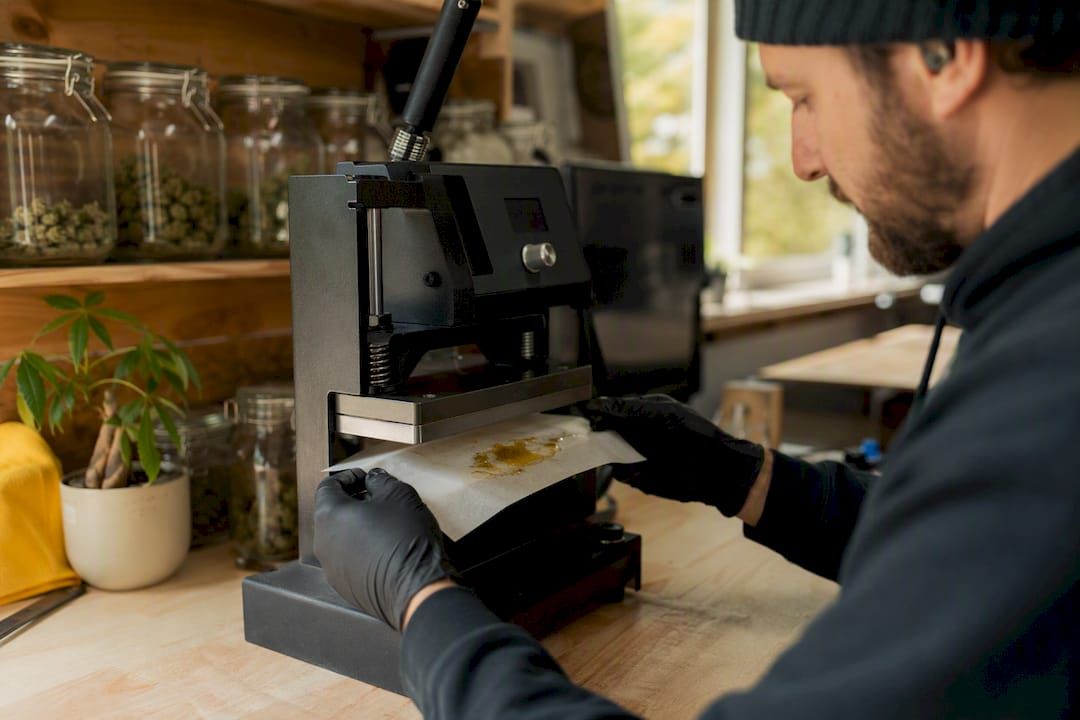
Rosin is solventless and flavor-first. Live resin is hydrocarbon-extracted and potency-and-value-first. That single distinction, solvent versus no solvent, drives almost every other difference you'll notice between them: price, texture, THC on the label, and how close the smoke or vapor tastes to the actual plant.
Here's the practical breakdown:
- Rosin : made with ice water and a heated press, no solvents involved, usually the pricier option, and typically the closer match to a strain's real flavor.
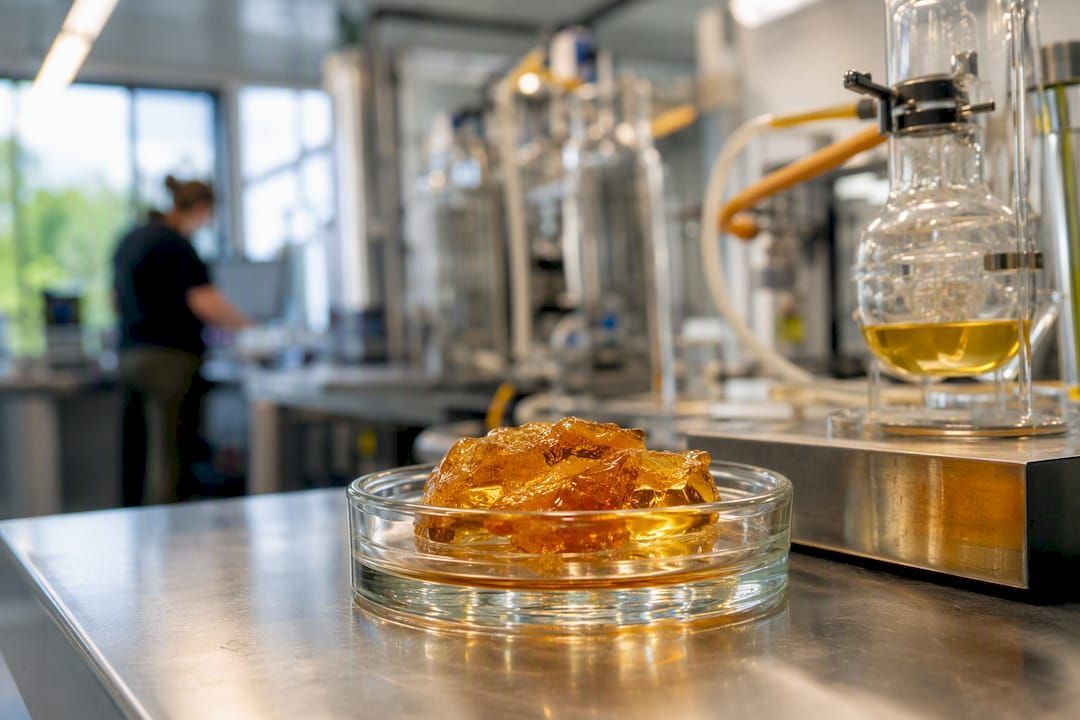
- Resin (live resin) : made with hydrocarbon solvents like butane or propane that get purged out afterward, generally cheaper per milligram of THC, and available in more formats, including carts.
- Your call : if you want the cleanest possible flavor and don't mind paying for it, go rosin. If you want more THC for your dollar and more product formats to choose from, resin usually wins.
Neither one is objectively "better." They're built for different priorities, and once you understand the extraction gap, the rest of this comparison—potency, price, texture—becomes a lot easier to read on a dispensary menu.
Key Takeaways
Rosin delivers cleaner flavor through solventless pressing while live resin delivers more THC per dollar through hydrocarbon extraction, and the right choice depends entirely on which one you value more.
| Point | Details |
|---|---|
| Extraction defines everything | Rosin uses ice water and pressure only; resin uses hydrocarbon solvents later purged out. |
| Price tracks yield | Rosin often costs 30 to 100% more per gram due to lower yields and heavier labor. |
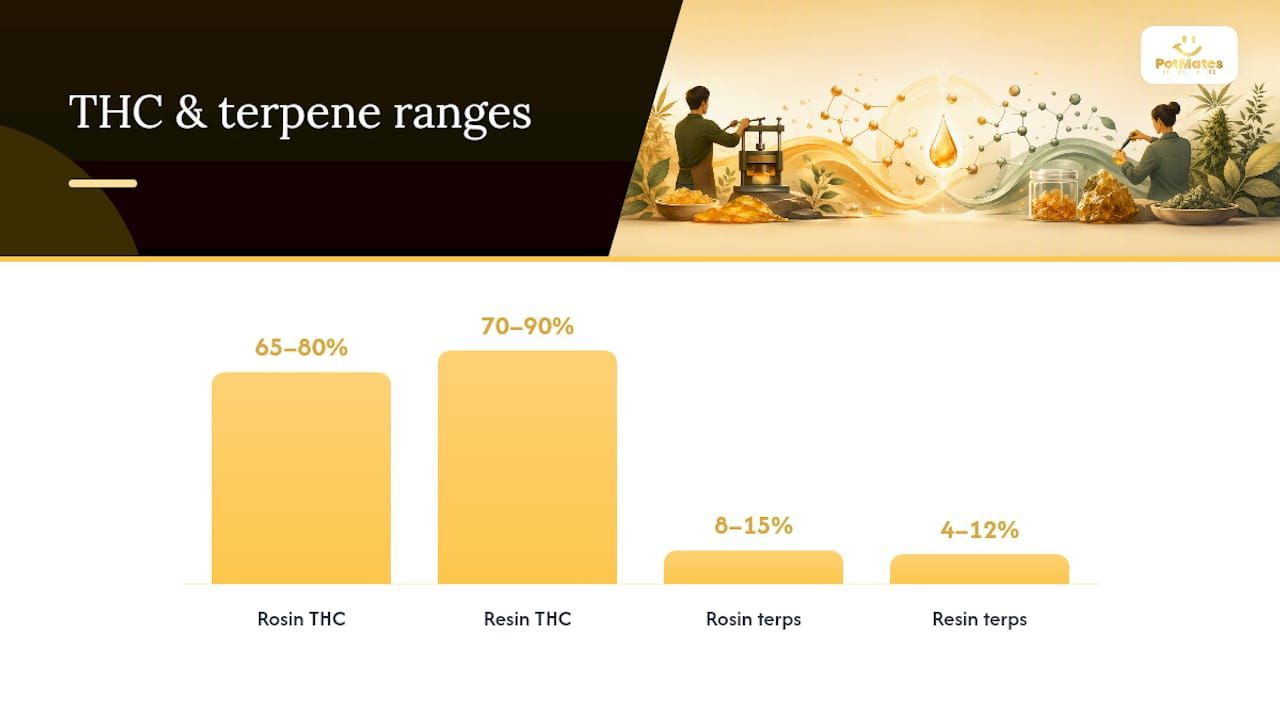
| Label THC isn't the whole story | Resin often tests 70 to 90% THC versus rosin's 65 to 80%, but minor cannabinoids shape the actual effect. |
| Terpenes favor rosin slightly | Rosin averages 8 to 15% terpenes versus resin's 4 to 12%. |
| Always check the COA | Confirm potency, terpenes, and residual solvent results before buying either format. |
What Is Rosin vs Resin? Definitions You Need First
The cannabis industry throws around "rosin," "resin," "live rosin," and "live resin" like they're interchangeable. They're not, and the mix-up costs people money when they order the wrong thing expecting the wrong result.
What is rosin? Rosin is a solventless concentrate made by applying heat and pressure to cannabis flower or hash. No chemicals touch the plant material at any point. When rosin is pressed from cured flower, it's just called flower rosin. When it's pressed from bubble hash (flower washed in ice water to isolate the trichomes), it's called hash rosin, generally considered a step up in purity and consistency.
What is resin? In cannabis, "resin" almost always implies a solvent-based extraction, typically using butane or propane in a closed-loop system. This is the category that includes shatter, wax, and badder made from dried, cured flower.
Live rosin and live resin both add one word that changes everything: "live." That means the starting material was fresh-frozen at harvest instead of dried and cured first, locking in terpenes that would otherwise evaporate during the curing process. Live rosin is fresh-frozen flower turned into solventless hash rosin. Live resin is fresh-frozen flower run through hydrocarbon extraction.
Distillate , for context, is a further-refined solvent-based extract, stripped down to almost pure THC with terpenes removed or added back synthetically. It's the cheapest, highest-THC-on-paper option, and it's the benchmark most people compare rosin and resin against when they talk about "distillate vs live resin carts."
How Live Rosin and Live Resin Are Actually Made
The production process is where the price tag gets decided, and it's worth understanding before you judge a $60 gram of rosin against a $25 gram of resin.
Live rosin production goes through four stages:
- Flower gets frozen within hours of harvest to lock in terpenes before they degrade.
- That fresh-frozen material is washed in ice water and agitated to separate trichome heads, then filtered through a series of mesh bags at specific micron sizes, typically in the 70 to 120 micron range for the cleanest full-melt hash.
- The resulting wet hash is freeze-dried to remove moisture without applying heat.
- The dried bubble hash is pressed at low temperature, usually under 200°F, to squeeze out the rosin.
Full-melt matters here because it signals that only the highest-quality trichome heads made it through the wash, not plant fragments or lower-grade material.
Live resin production is a different animal:
- Flower is fresh-frozen the same way.
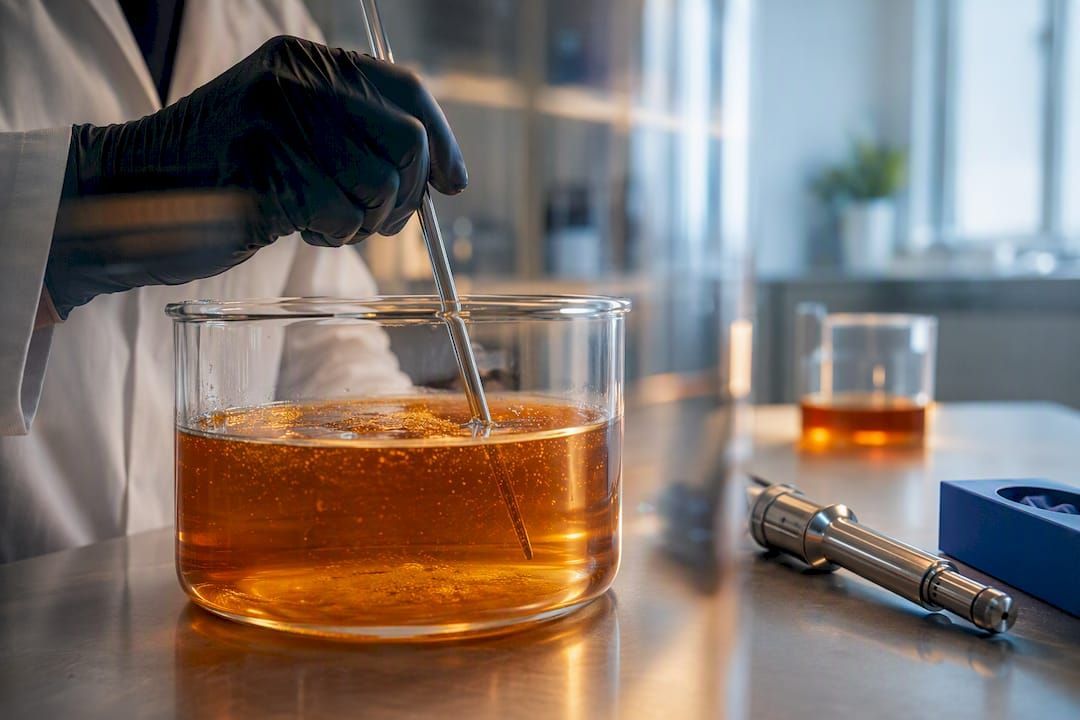
- It's loaded into a closed-loop system where hydrocarbon solvent (usually butane or propane) strips cannabinoids and terpenes from the plant material.
- The solvent is recovered and recycled through the closed loop.
- The extract goes through vacuum purging to remove residual solvent, then whipping or further processing into badder, sauce, or diamonds.
Pro Tip: Ask your budtender or check the product page for the micron range used in the ice-water wash. Rosin pressed from 70 to 120 micron bubble hash is generally the cleanest, most flavorful full-melt product on the shelf.
The yield gap explains the price gap. Hash rosin typically yields somewhere in the 3 to 8% range from starting flower weight, while hydrocarbon extraction can pull 15 to 25% or more. Rosin also demands far more hands-on labor, washing, dialing in press temperature and pressure, catching micron cuts, and produces less finished product per pound of input. Hydrocarbon extraction scales more easily with equipment, which is exactly why live rosin costs more than live resin in most markets.
Which Gets You Higher: Rosin or Resin?
The label THC percentage is the number everyone fixates on, and it's also the number that misleads people the most.
Live resin often tests higher on the label, commonly in the 70 to 90% THC range, because hydrocarbon extraction efficiently strips cannabinoids out of the plant while leaving behind less of the plant lipids and waxes. Live rosin usually lands lower, typically in a moderate to high THC range, since mechanical pressing carries over more of the plant's full spectrum, including minor cannabinoids that don't show up as prominently on a basic potency panel.
That gap doesn't mean resin automatically gets you higher. A higher THC number on a label doesn't guarantee a stronger subjective experience, because:
- Minor cannabinoids like CBG, CBN, and THCV ride along in rosin's fuller extraction and can shape the high in ways a THC-only number won't capture.
- Terpenes interact with cannabinoids to influence how intense or "clear" an effect feels, a phenomenon widely called the entourage effect.
- Tolerance matters more than either product's spec sheet. A seasoned dabber will barely register a 20-point THC swing that would floor a first-timer.
Start low with any concentrate, regardless of format. A rice-grain-sized dab is a reasonable starting point, especially with rosin, where the fuller cannabinoid profile can hit differently than a resin dab of the same size might suggest.
Flavor and Terpenes: Why "Live" Changes the Taste
If flavor is your priority, this is the section that actually decides your purchase.
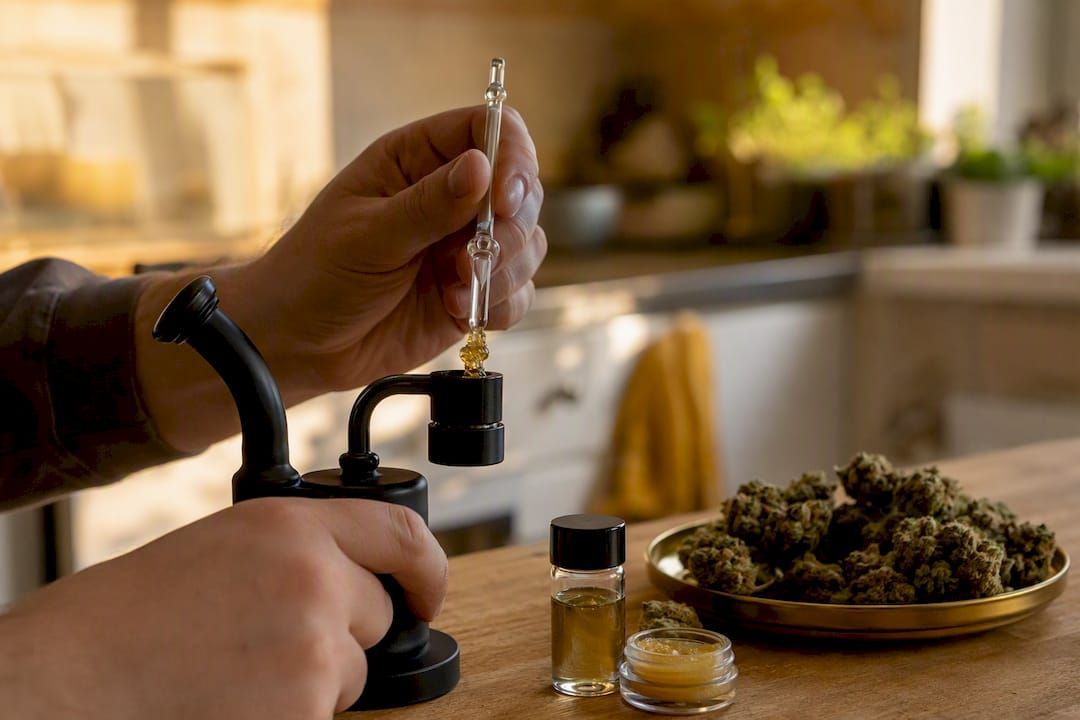
"Live" is the word doing all the work here. Fresh-freezing flower at harvest preserves the volatile monoterpenes that would otherwise off-gas during a standard week-long dry-and-cure cycle. Terpenes like limonene and pinene are especially fragile and start degrading fast once flower hits open air, so skipping the cure is what makes live products taste closer to the living plant.
Where solvent enters the picture, the profile shifts. Live rosin tends to taste cleaner and more nuanced because nothing but water and pressure touched the trichomes. Live resin tends to taste bolder and more robust, sometimes with a slightly different aromatic edge depending on how well the extraction and purge were dialed in. Reported terpene content backs this up: live rosin averages roughly 8 to 15% terpenes, live resin lands around 4 to 12%, and standard non-live concentrates from dried flower fall lower still.
- Check the COA's terpene panel before buying, not just the THC line.
- A terpene percentage above 5 to 6% on live resin, or above 10% on rosin, is a solid sign of a flavor-forward batch.
- Match the dominant terpene (myrcene, caryophyllene, limonene) against the strain's expected profile to gauge authenticity.
Pro Tip: If two jars of the same strain show wildly different terpene percentages on their COAs, trust the number over the marketing copy. Terpene content is one of the few concentrate specs that's hard to fake. You can go deeper on how specific terpenes shape Oregon strain flavors here.
What Rosin and Resin Actually Cost
Price is where most shoppers make their final call, and the math behind it is simpler than it looks.
Rosin commonly runs 30 to 100% more per gram than live resin in a given market, though that premium isn't fixed. In high-volume, competitive states the gap can shrink dramatically or nearly disappear, so it pays to check local menus rather than assume a blanket rule.
- Yield explains most of the spread: hash rosin typically returns 3 to 8% from starting material, hydrocarbon extraction returns 15 to 25%.
- Labor is the other driver. Rosin requires manual washing, micron sorting, and careful press timing; resin extraction leans on equipment that scales.
- Buy a mid-tier rosin sample before committing to a full gram, especially from a new grower.
- Compare cart pricing to jar pricing. Resin carts often deliver more consistent THC-per-dollar than either format sold loose.
- Watch dispensary restock cycles. Fresh live rosin drops sell fast and often carry the steepest markup on day one.
Sauce, Badder, Diamonds, and Carts: Choosing a Format
Texture isn't just cosmetic, it dictates how you'll actually consume the product.
- Sauce and badder are the most common live resin and live rosin textures for dabbing, offering a good balance of flavor and ease of handling on a rig or e-rig.
- Diamonds are crystallized THCA, usually paired with a terpene-rich sauce, and deliver a strong, direct potency hit favored by heavier users.
- Hash rosin in its solid or crumbly form is prized by purists who want to see and dab the full-melt product with nothing added.
- Carts load either resin or a rosin-derived oil into a vape cartridge. Resin carts are far more widely available and typically cheaper; rosin carts are a smaller, pricier niche because solventless oil is harder to make cart-compatible.
Dab low and slow: 350°F to 430°F on an e-rig or banger preserves flavor and avoids scorching delicate terpenes. Keep cartridges upright and away from heat to prevent leaking, and if you're exploring edibles instead, start with a low milligram dose and wait a full two hours before taking more.
Reading a COA Before You Buy
A Certificate of Analysis is the only real proof of what's in your concentrate, and it's worth thirty seconds to check before you pay.
Look for four things on any COA: potency (total THC and cannabinoid breakdown), terpene profile, residual solvents, and contaminant screening for pesticides, heavy metals, and microbial growth. No extraction method is inherently safer than another; solventless rosin has no solvents by definition, and licensed live resin is purged down to regulated residual solvent thresholds. The testing is what confirms either one actually meets that standard.
- Confirm the batch number on the packaging matches the COA you're shown.
- Check the test date against the harvest or production date; a COA from over a year ago on a "fresh" product is a red flag.
- Be skeptical of concentrates priced well below the local average with no visible lab data.
Pro Tip: Snap a photo of the COA QR code before you leave the counter. Half the time people mean to check it later and never do. For more on vetting a shop overall, see our dispensary selection guide.
Which One Should You Actually Buy?
Match the product to your priority, not the other way around.
- Flavor chaser : ask for hash rosin from fresh-frozen material, request a small sample size first, and compare it against the same strain's live resin badder to taste the difference yourself.
- Potency and value shopper : live resin or a resin cart will usually beat rosin on THC-per-dollar; compare the label percentage against price per gram, not price alone.
- Solvent-averse buyer : confirm "solventless" on the label or menu description, and expect to pay the rosin premium as the tradeoff for that production method.
Before you check out, run through this: What's the extraction method? What's the terpene percentage on the COA? Is the batch fresh-frozen ("live") or cured? What's the price per milligram of THC? Does the residual solvent panel pass, if applicable? Is there a visible batch number matching a current COA?
Try Both With PotMates
The fastest way to settle "rosin vs resin" for yourself is to try both from the same strain and compare in one sitting. PotMates carries a rotating concentrates menu covering both formats, and the Virtual Budtender can help you find a matched pair to sample side by side.
- Start with a value-priced live resin badder to establish a potency baseline.
- Follow it with a mid-tier hash rosin from the same strain to taste the flavor gap directly.
- Use the COA on each product page to compare terpene percentages before you order.
Live vs. Non-Live: What the Label Actually Means
"Live" isn't a marketing flourish, it's a production timeline that changes the chemistry of the final product. A live concentrate starts from flower that was flash-frozen within hours of harvest, skipping the traditional dry-and-cure process entirely. A non-live concentrate starts from flower that went through a standard cure, typically one to several weeks of controlled drying before extraction or pressing.
That timeline difference is the entire reason live products smell and taste closer to a freshly cut plant. Curing is what mellows harsh chlorophyll notes and develops some flavor complexity, but it also burns off a meaningful share of the most volatile terpenes. Freezing flower before that process even starts locks those compounds in place.
Non-live rosin and non-live resin aren't inferior products, they're just built from cured flower, which means more stable, predictable terpene loss and often a smoother, mellower flavor profile than their live counterparts. Some consumers actually prefer that mellower profile for certain strains. The distinction matters most when you're comparing prices: live products almost always cost more, and that premium should buy you a genuinely more vibrant terpene profile, not just a label with the word "live" printed on it. Checking the COA's terpene percentage is the only way to confirm you got what you paid for.
Rosin vs Resin: Which Should Flavor Chasers or Value Shoppers Pick?
The conventional advice treats this like a quality hierarchy, rosin at the top, resin below it, distillate at the bottom. That framing misses the point. Rosin's advantage is fidelity to the plant, not superiority as a category. Resin's advantage is efficiency, not compromise.
What gets overlooked most is how much the "live" starting material matters more than the solvent question. A live resin badder from properly fresh-frozen flower will often beat a non-live rosin on flavor, even though rosin carries the solventless label people assume wins by default. Chase the fresh-frozen timeline first, then decide on extraction method second.
My take: stop asking which one is "better" and start asking what you're optimizing for this week. Budget tight and tolerance high? Resin wins on THC-per-dollar. Chasing a specific strain's true terpene signature? Rosin earns its price. Buy small quantities of both before committing to either as your default.
Sources
FAQ
Will Resin or Rosin Get You Higher?
Live resin often has a higher label THC percentage, commonly 70 to 90% versus rosin's 65 to 80%, but the subjective high depends heavily on minor cannabinoids, terpenes, and your personal tolerance, not the label alone.
What Is So Special About Rosin?
Rosin is made with only ice water, heat, and pressure, no solvents at any stage, which typically preserves a fuller terpene profile (8 to 15%) and a cleaner, more nuanced flavor than solvent-based alternatives.
Is Rosin Really Worth It?
If flavor fidelity and solventless production matter to you, yes, the 30 to 100% price premium reflects genuinely lower yields and more labor. If you're prioritizing THC-per-dollar, resin usually offers better value.
Why Do People Like Live Resin Over Rosin?
Live resin often costs less, tests higher on THC labels, and comes in more product formats, including carts, making it the more accessible and versatile option for everyday use.
What's the Difference Between Rosin and Resin in One Sentence?
Rosin is pressed with heat and pressure only, no chemicals involved, while resin is extracted using hydrocarbon solvents like butane that are purged out before sale.
Recommended